The latest episode of 24 in 24: Last Chef Standing may have officially changed the identity of the entire season.
Because at this point, many fans no longer think they’re watching a traditional cooking competition.
They think they’re watching a survival experiment.
Episode 5 placed enormous focus on something the show had only teased in earlier rounds:
the physical collapse of the chefs themselves.
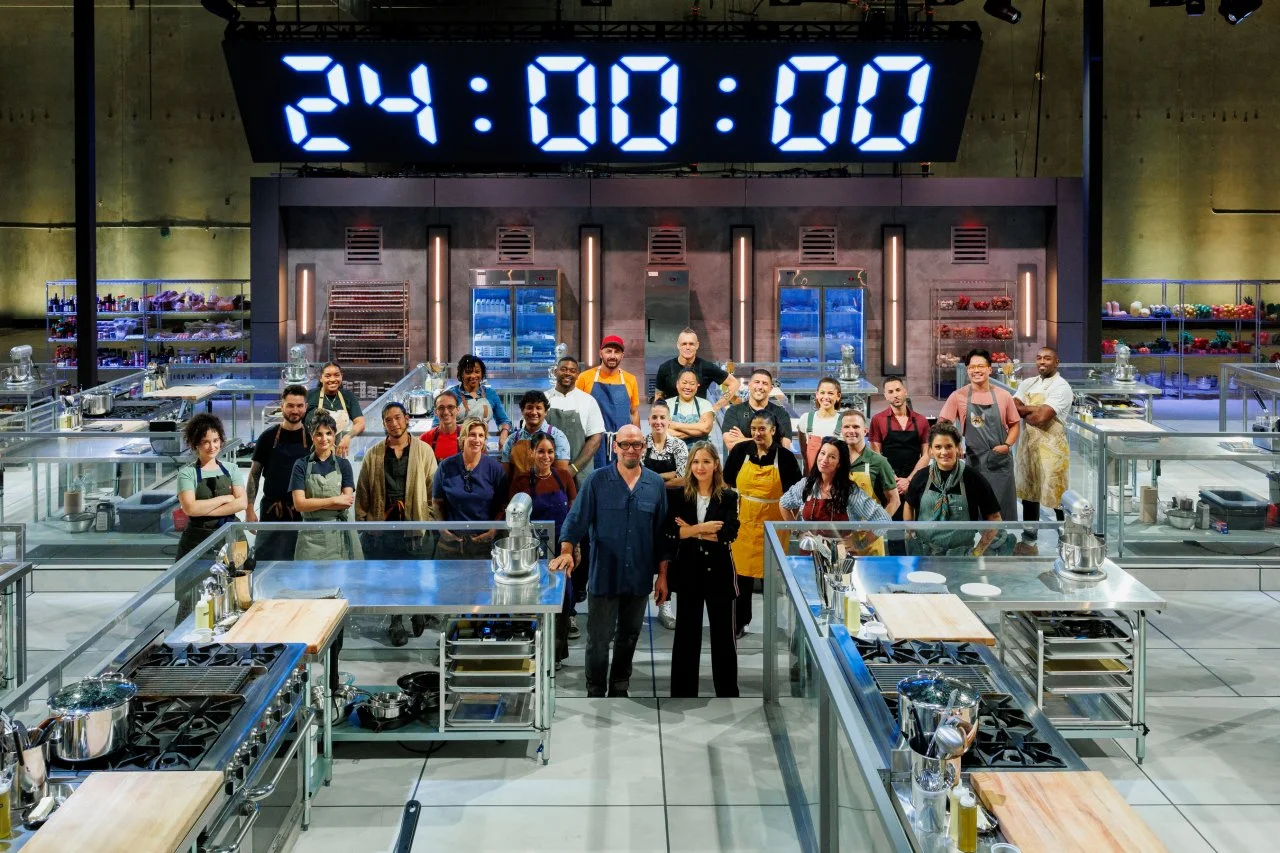
Instead of centering purely on food, production dedicated extended segments to contestants visibly struggling with exhaustion, loss of concentration, and bodies that simply no longer seemed to function properly after nearly an entire day of nonstop competition.
And honestly, the footage was difficult to ignore.
Throughout the episode, several chefs openly admitted they were beginning to lose control mentally and physically.
Lee Anne Wong confessed that her brain no longer felt like it was “working correctly,” while Avishar Barua described the terrifying sensation of his muscles no longer responding properly during challenges.
These were not normal cooking-show complaints about stress or pressure.
This looked like genuine system failure.
And the episode leaned into it heavily.
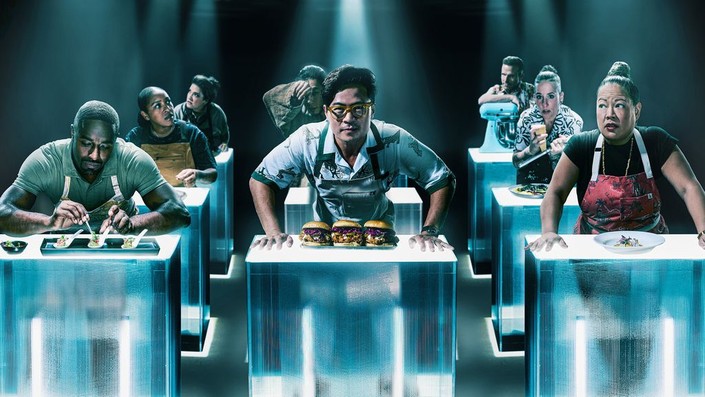
Cameras focused on shaky hands, emotional frustration, delayed reactions, communication breakdowns, and contestants struggling to process simple decisions under sleep deprivation. Combined with the episode’s increasingly brutal twists and strategic mechanics, the atmosphere no longer resembled a standard culinary contest.
Instead, many viewers began comparing the show to psychological reality competitions like Squid Game — except with chefs.
That comparison is now everywhere online.
Some fans absolutely love it.
Supporters of the season argue that the chaos is precisely what makes Season 3 unique. They enjoy watching elite chefs pushed beyond their limits emotionally, strategically, and physically. For these viewers, the exhaustion, breakdowns, and unpredictable gameplay create tension far more compelling than ordinary cooking challenges.
Many fans have praised the show for evolving into something genuinely intense rather than simply repeating familiar Food Network formulas.
They enjoy:
the strategy,
the paranoia,
the exhaustion-driven mistakes,
and the feeling that contestants are slowly unraveling in real time.
One viral fan comment described the season as:
“Top Chef meets survival horror.”
But on the other side of the fandom, criticism is becoming louder every week.
A growing number of viewers believe the competition has drifted too far away from cooking itself. According to critics, the endless twists, teammate dependency, blind gambles, and psychological manipulation are beginning to overshadow the food.
Instead of rewarding the best chef, some fans now feel the format rewards whoever survives exhaustion the longest.
That frustration exploded after recent eliminations and challenge twists, especially following the controversial exits of strong competitors in team-based formats.
Several viewers argued online that the chefs are no longer being judged under fair culinary conditions.
Others went even further, calling the season:
“culinary torture,”
“an anxiety simulator,”
and repeatedly:
“Culinary Squid Game.”
Ironically, that criticism may also explain why the show has become so addictive to watch.
Because whether fans love or hate the direction of Season 3, almost everyone agrees on one thing:
The competition now feels genuinely dangerous emotionally.
The chefs are not just fighting each other anymore.
They are fighting:
fatigue,
hallucination-level exhaustion,
emotional instability,
and their own failing bodies.
And that shift may define the entire legacy of Season 3.
At the beginning, 24 in 24 looked like a creative endurance-based cooking challenge.
Now, it increasingly feels like an experiment designed to answer one terrifying question:
How long can elite chefs function before they completely break down?