As America’s Culinary Cup continues to heat up, one name is rapidly emerging as both the frontrunner and the face of the competition: Buddha Lo. With a $1 million grand prize on the line—the largest in culinary competition history—the stakes are already sky-high. But for Lo, the journey is about far more than just the money.

Fresh off his success as a two-time champion on Top Chef, Lo entered the new series not just to compete, but to evolve. “It’s Padma’s show, it’s a million dollars, it’s new,” he said of America’s Culinary Cup, hosted by Padma Lakshmi. “Top Chef won’t let me do it again for the third time, so why not?”
That mix of ambition and pragmatism defines Lo’s current moment. Already an executive chef with a Michelin star earned in 2025 at Huso, he’s now preparing to open his own restaurant—while simultaneously thinking about building something even bigger: a personal brand that extends beyond the kitchen.
“I now have to establish myself more as a brand and not be attached so much to a restaurant,” Lo explained. In today’s media-driven culinary world, visibility is currency. Competing on a high-profile show like America’s Culinary Cup isn’t just about proving technical skill—it’s about staying relevant, recognizable, and marketable.
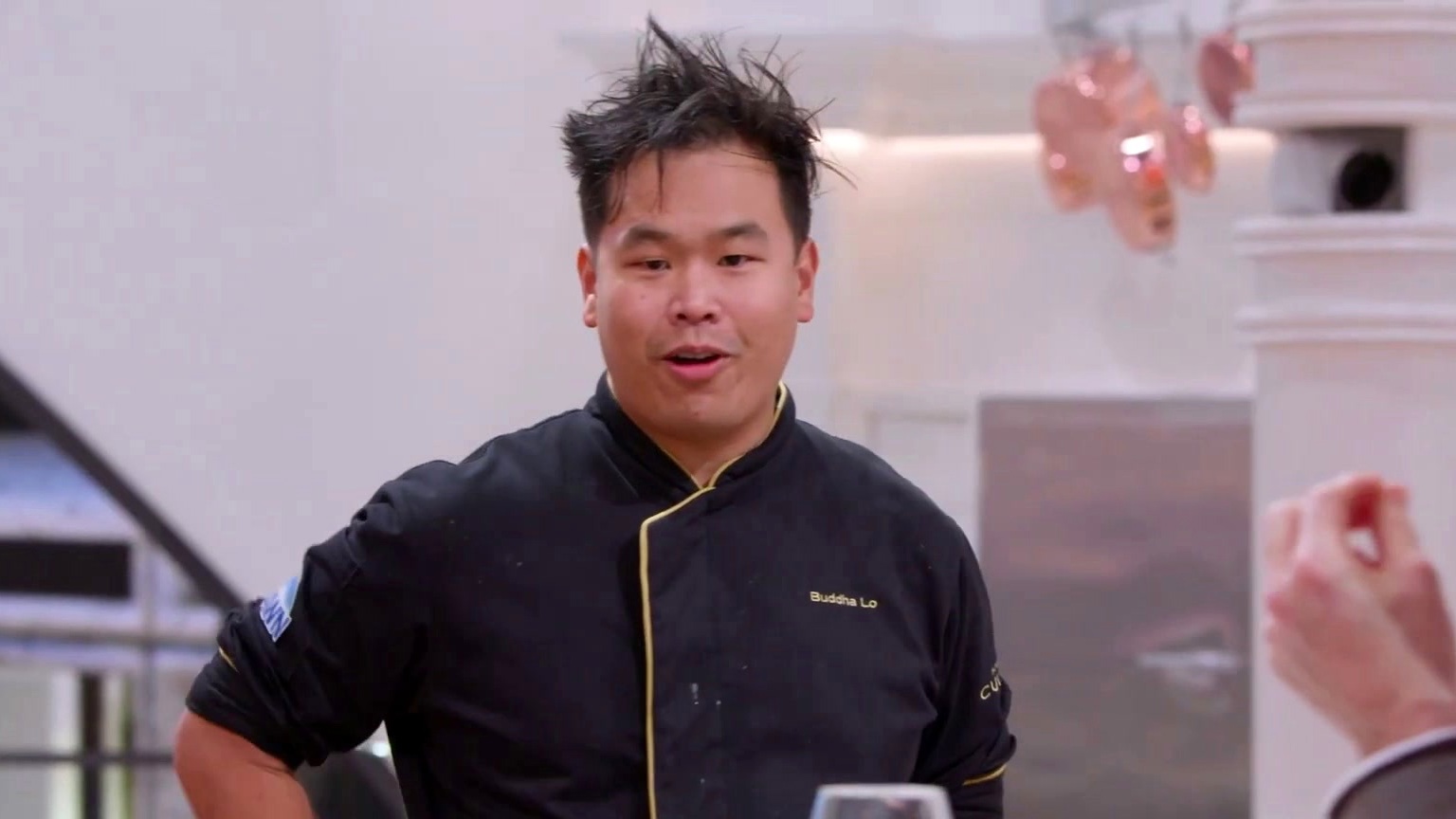
And if the opportunity arises? Lo isn’t ruling out a future in television. “If that’s in the cards, yeah,” he said when asked about hosting his own cooking show. Having grown up watching culinary competitions, he admits he already has “a lot of ideas” for what that could look like.
Still, for now, the competition remains his primary focus—and his playground.
Unlike traditional cooking shows, America’s Culinary Cup introduces a unique format built around “Culinary Commandments,” where chefs must master specific themes such as meat, vegetables, or sauces. Judges—including Lakshmi, Michael Cimarusti, and Wylie Dufresne—score each dish based on taste, creativity, presentation, and mastery of the theme.

“It’s tough because all three judges think about food differently,” Lo admitted. “Trying to tick all their boxes can be quite difficult.”
That complexity hasn’t slowed him down. In fact, it’s fueled his creativity. Whether it’s inventing unexpected dishes like cauliflower ice cream—credited with saving his team during a recent elimination—or experimenting with bold new techniques, Lo appears to thrive under pressure.
For him, that’s part of the appeal. “It keeps things exciting,” he said. “I’m still not tired of it. I want to do it; I find it a lot of fun.”
Even when things don’t go perfectly—like a recent challenge where he misheard instructions and landed in the bottom three—Lo remains unfazed. He dismissed any notion that it was a strategic move to lower his threat level. “You never want to plan to be on the bottom,” he said. “You don’t know who’ll one-up you.”
Beyond the competition, Lo’s personality shines through in smaller, more personal details. Despite his refined culinary background, he admits to a few guilty pleasures—including instant noodles, particularly the Indonesian brand Mie Goreng, and Australian meat pies. On the flip side, there are dishes he’d rather never revisit, including balut and bull’s testicle—both of which he described as decidedly “not good.”

It’s that balance—between elite technique and relatable taste—that makes Lo such a compelling figure. He’s not just competing; he’s connecting.
As America’s Culinary Cup moves forward, one thing is increasingly clear: Buddha Lo isn’t just chasing another title. He’s building a legacy—one dish, one challenge, and possibly one future TV show at a time.