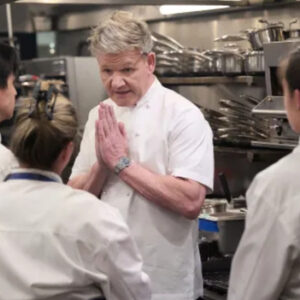
Food competition shows are no strangers to pressure — but 24 in 24: Last Chef Standing is pushing that concept to its absolute limit in Season 3.
Premiering April 26 on Food Network, the high-intensity series returns with its most ambitious format yet: 24 chefs, 24 challenges, and 24 continuous hours of cooking — all without pause. By the end of it, only one will remain, walking away with a record-breaking $100,000 prize, the largest in the show’s history.

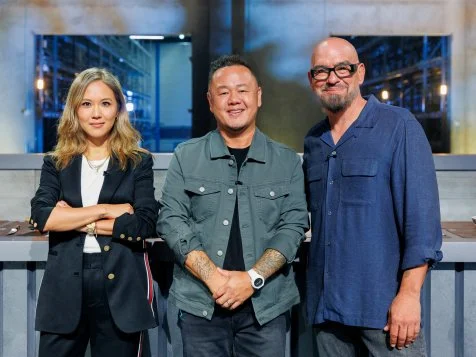
Hosted by Michael Symon and Esther Choi, the competition is structured to mirror the real-life grind of professional kitchens. The 24 challenges are divided into eight “shifts,” each representing different phases of a chef’s daily routine — from prep work to peak service chaos.
But if Season 2 was about endurance, Season 3 is about unpredictability.
A Format That Refuses to Play Fair
According to producers, this season introduces a series of major changes designed to keep contestants — and viewers — constantly off balance.
Among the biggest twists is the introduction of blind judging, a move that strips away reputation and forces chefs to rely purely on execution. Combined with redesigned shift themes and strategic decision-making elements — including letting chefs choose which challenges to take on — the competition becomes as much about mental agility as culinary skill.
In the premiere episode, contestants are immediately thrown into unfamiliar territory. The first shift introduces a “strategy skills” round, where guest judge Jet Tila evaluates not just cooking ability, but how chefs think under pressure. Impressing him could mean survival — failing could mean an early exit from what is already being called “the longest day of their careers.”
A Stacked Lineup of Culinary Heavyweights
Season 3 brings together one of the most diverse and competitive casts yet, featuring 24 chefs from across the country. Among the standout names are Molly Yeh, Shota Nakajima, and Brian Malarkey — all known not just for their talent, but for their strong personalities and competitive edge.
They are joined by an equally formidable roster including Dawn Burrell, Maria Mazon, Lee Anne Wong, Alex Stupak, and Viet Pham, creating a field where there are virtually no weak links.
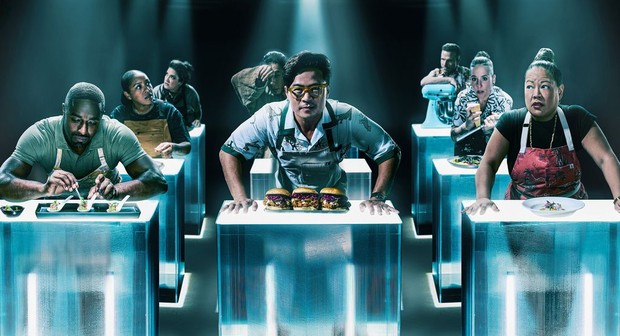
This isn’t a competition where anyone can coast.
From the very first shift, chefs must balance speed, creativity, and stamina — all while navigating a format that constantly evolves. One wrong move, one bad dish, or even one poor strategic choice could send them home.
The Real Challenge: Surviving Yourself
What sets 24 in 24 apart isn’t just the number of challenges — it’s the relentless pace.
Unlike traditional cooking shows, there are no breaks, no resets, and no time to recover. As the hours pass, fatigue becomes a factor as dangerous as any competitor. Decision-making slows, precision slips, and even the most experienced chefs can unravel.
That’s exactly the point.
“Life as a chef means giving your mind, body, and soul to your craft 24/7,” said Betsy Ayala, head of food content at Warner Bros. Discovery. “This competition captures that intensity and unpredictability.”
And this season, that unpredictability is being pushed even further.
A Finale Built on Survival
Episodes will roll out weekly, leading up to the May 31 finale, where the final chefs will face off under the scrutiny of guest judges including Alex Guarnaschelli, Jet Tila, and Jean-Georges Vongerichten.
By that point, the competition will have tested every aspect of their ability — not just cooking, but endurance, adaptability, and mental resilience.
Because in 24 in 24, talent alone isn’t enough.
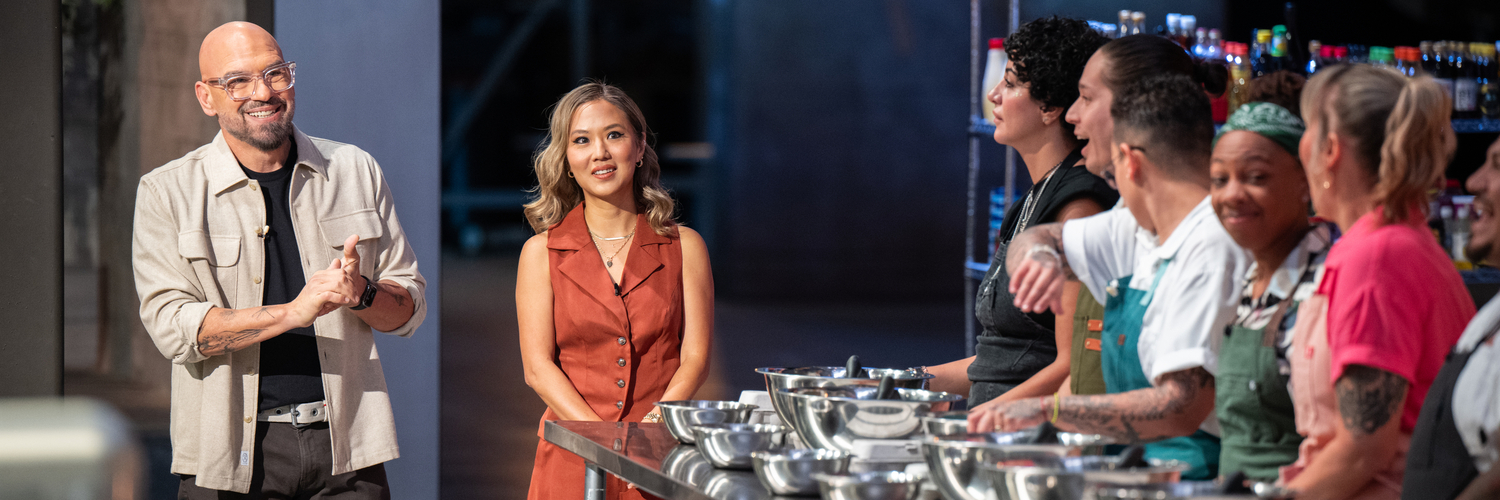
You have to outlast everyone else.
The Bottom Line
Season 3 isn’t just bigger — it’s harsher, smarter, and far less predictable. With blind judging, strategic gameplay, and a stacked cast of elite chefs, the show is evolving into something more than a cooking competition.
It’s a survival test.
And after 24 hours of nonstop pressure, only one chef will still be standing.