The BBC has come under fire over allegations of political bias after announcing that its special edition of Question Time focusing on the Makerfield by-election will not include a candidate from Rupert Lowe’s Restore Britain party. The decision has sparked accusations of interference from the party, with Lowe and his allies claiming that the broadcaster is attempting to suppress their growing support.

Despite the BBC defending its decision by pointing to its usual criteria of electoral history and current levels of public support, Restore Britain has strongly objected to being excluded from the programme. The party argues that the decision ignores its position in the local campaign and represents unfair treatment during a crucial election period.
The controversy began after the BBC revealed the line-up for its Makerfield by-election special. The programme is set to feature representatives from five major national parties, including Labour, Reform UK, the Conservatives, the Liberal Democrats and the Greens. However, Rebecca Shepherd, the Restore Britain candidate, was not invited to appear, even though the party claims it has gained significant attention among voters in the constituency.
The decision immediately triggered a backlash from Restore Britain. Rupert Lowe, the party’s leader, publicly criticised the BBC on social media, claiming the organisation had deliberately excluded his party from the debate.
“Restore Britain was not invited on the BBC Question Time Makerfield special,” Lowe wrote on X. “The British establishment despise us.”
The party has since indicated that it is considering legal action over the decision. Restore Britain said it believes the BBC’s actions amount to political discrimination and accused the broadcaster of attempting to influence the outcome of the by-election.

A party spokesperson said the exclusion was “yet another attempt” to limit Restore Britain’s visibility and argued that the BBC was acting against the interests of voters who support the party.
“Our legal team is being consulted over this blatant election interference and bias,” the spokesperson said. They also repeated the party’s long-standing criticism of the broadcaster, stating that a future Restore Britain government would seek to remove funding from the BBC immediately.
The BBC, however, has rejected accusations of bias and defended its selection process. A spokesperson explained that 14 candidates are competing in the Makerfield by-election, but Question Time traditionally invites parties based on their previous electoral performance and current levels of support.
“There are 14 candidates in the Makerfield by-election on the 18 June,” the BBC said. “Question Time has invited five parties to take part in our debate in the constituency based — as is always the case — on their past and current electoral support.”
The broadcaster added that the programme would still make appropriate references to all candidates standing in the election.
The row comes as the Makerfield by-election campaign has already become highly competitive, with major parties fighting for control of the seat. Labour’s Andy Burnham is standing for Parliament and is facing a significant challenge from Reform UK candidate Robert Kenyon. The contest has attracted considerable attention because of the close polling figures between the two leading parties.

A survey conducted by Survation, the only published poll of the constituency during the campaign, showed Labour narrowly ahead with 43 per cent support, compared with Reform UK on 40 per cent. The poll also revealed a surprise result for Restore Britain, placing the party in third position with 7 per cent support.
The result has increased tensions between Restore Britain and Reform UK, with Reform arguing that Lowe’s party could split right-wing votes and unintentionally help Labour secure victory. Reform figures have accused Restore Britain of damaging their chances by running a separate campaign in the constituency.
A senior Reform source criticised Lowe, claiming that his decision to contest the election was motivated more by personal ambition than national interest. They argued that Restore Britain’s presence could allow Labour’s Andy Burnham to win by taking votes away from Reform UK.
Lowe rejected those claims, insisting that attacks from Reform demonstrated that his party was making an impact. He argued that Restore Britain’s internal data suggested it was performing better than critics claimed and predicted that the party would achieve a significant breakthrough in Makerfield.
“The increasingly desperate attacks from every Reform politician proves one thing — their internal data matches what we are finding in Makerfield,” Lowe said. “They have nothing left. Restore Britain is going to make history in Makerfield.”
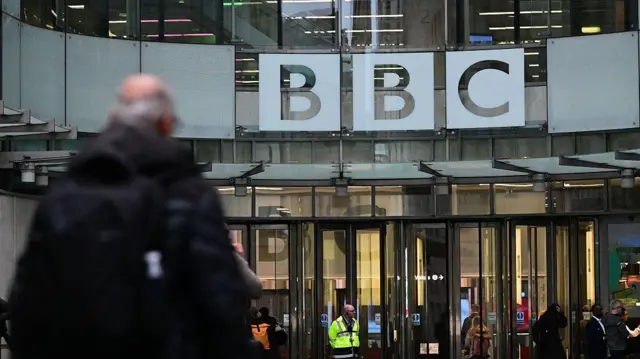
The BBC’s decision has therefore added another layer of controversy to an already heated by-election campaign. While Restore Britain maintains that its exclusion from Question Time represents unfair political treatment, the BBC insists that its approach follows established guidelines used for election coverage.
The dispute highlights the wider debate over how broadcasters should decide which parties receive national exposure during elections, particularly when smaller or newer political movements argue that traditional criteria prevent them from gaining recognition. As the Makerfield contest continues, the clash between Restore Britain and the BBC is likely to remain a major talking point alongside the battle between Labour and Reform UK for the seat.