Zack Polanski, the leader of the Green Party, is facing growing pressure after his social media activity triggered a formal code-of-conduct complaint and a police inquiry. The controversy began after Polanski shared an Instagram post that included an image of a T-shirt carrying a message that was widely interpreted as encouraging violence against Reform UK leader Nigel Farage. Although Polanski later removed the post and said he had not intended to share the offensive image, the explanation has failed to calm the backlash, with critics accusing him of avoiding responsibility.
The Metropolitan Police confirmed that they are making inquiries after receiving a report from Reform UK regarding the post. The matter has also escalated politically, with Reform UK London Assembly Members submitting an official code-of-conduct complaint against Polanski. The complaint will now be reviewed by the Greater London Authority’s monitoring officer, who will decide whether the issue requires a formal misconduct investigation.
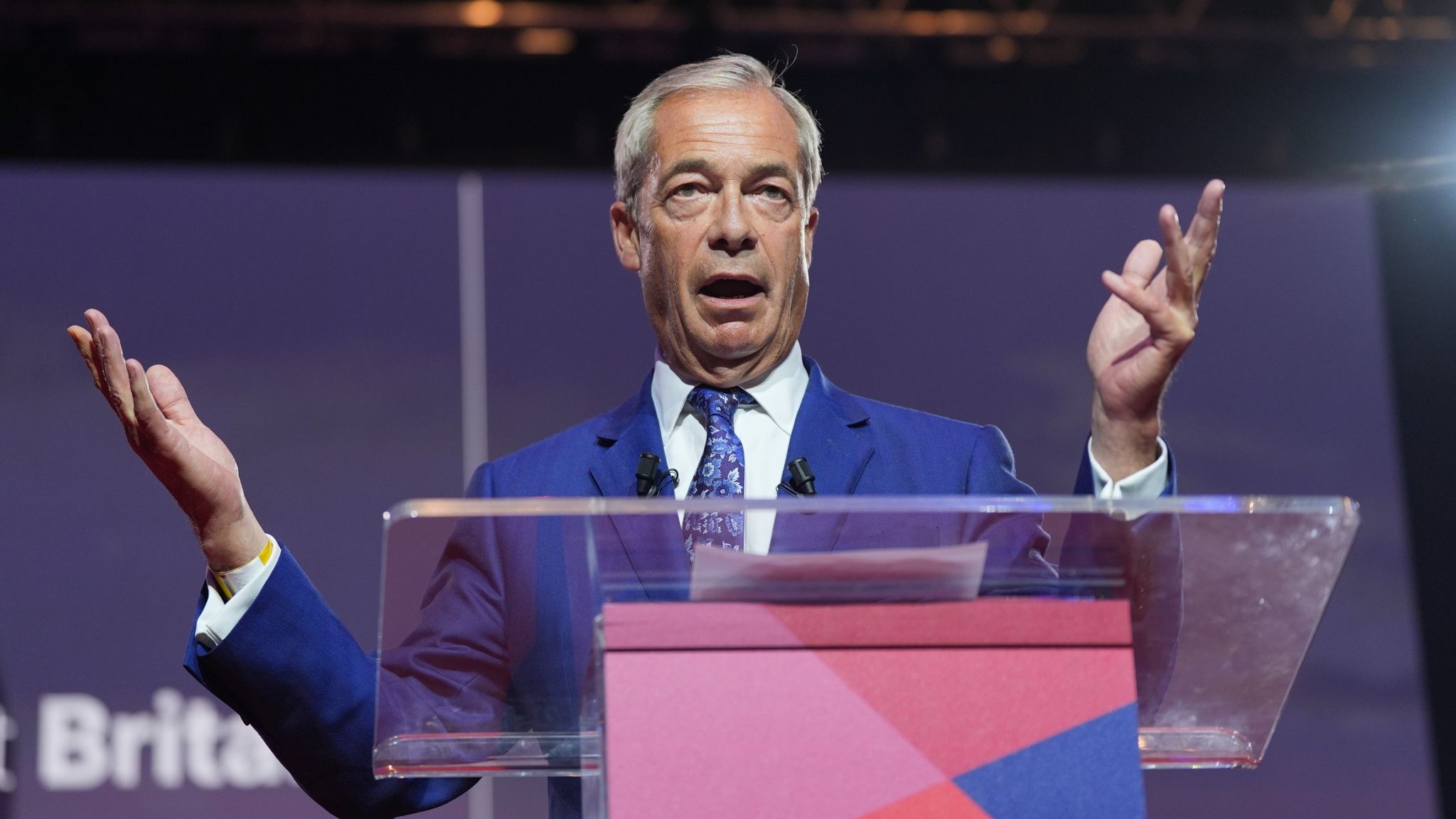
Reform UK has described the Instagram post as a serious incident, claiming it amounted to a “clear call to political violence” that was shared and approved by the Green Party leader. Nigel Farage himself publicly criticised Polanski and called for police action, arguing that if another politician had shared similar content, they would face consequences.
Farage shared a screenshot of the post on X, writing that the image was something Polanski had posted on Instagram and arguing that anyone responsible for sharing such a message should face investigation. He said that if he had published something equally controversial, he would expect to be arrested, and he questioned why Polanski should be treated differently.
The controversy intensified after Reform UK’s London Assembly representatives formally raised their concerns. Alex Wilson AM, the leader of the Reform UK London Assembly Group, said he was deeply concerned that Polanski had attempted to shift blame rather than apologise directly for what he described as dangerous online behaviour. Wilson argued that the incident was not isolated, claiming Polanski had previously faced criticism over his social media activity, including comments related to the police response to an alleged attack in Golders Green.
Another Reform UK figure, Cllr Keith Prince AM, also criticised Polanski’s explanation. He said he was shocked that the Green Party leader had shared content that appeared to promote violence against Farage and argued that claiming he was unaware of the image’s contents was difficult to accept. According to Prince, public figures have a responsibility to carefully consider the material they share online.
Polanski and the Green Party have rejected the accusation that he supported or encouraged violence. A Green Party spokesperson said that Polanski condemned the T-shirt image and insisted that he did not realise the controversial picture was included when he accepted and shared a post containing multiple images. The spokesperson explained that Polanski had been tagged in a post containing around 20 images and accepted it without noticing the offensive content.
The party added that the message displayed on the T-shirt was unacceptable, especially during a period when concerns about threats against public figures remain high. The spokesperson said Polanski himself had experienced threats and stressed that both he and the Green Party supported a more respectful approach to political debate. They called on politicians and the public to avoid language that increases division and hostility.
The dispute comes at a sensitive time, with politicians across the UK already facing concerns about threats and political violence. Reform UK representatives highlighted the timing of the post, pointing to the recent death of former MP Ann Widdecombe and arguing that sharing such an image shortly afterward was particularly inappropriate.
Reform UK’s home affairs spokesperson Zia Yusuf also criticised Polanski, claiming that sharing the image with hundreds of thousands of followers was a serious matter. He argued that the post should be treated as a potential incitement issue and called on authorities to respond accordingly.
The row has attracted reactions from other political figures as well. Work and Pensions Secretary Pat McFadden said politicians have a responsibility to be cautious about what they publish online, especially during a period of heightened tensions. However, he also acknowledged that mistakes can happen and said it was ultimately for the police to determine whether further action was necessary.
A Metropolitan Police spokesperson confirmed that the force takes reports involving potential threats or incitement seriously and that inquiries were underway. The police did not confirm whether any formal action would be taken against Polanski.
This is not the first time Polanski has faced criticism over his online activity. Earlier in the year, he apologised after sharing a post criticising police handling of the Golders Green stabbings, later saying he had reacted too quickly and had not fully considered the situation before posting.

The incident has added further pressure on Polanski as he faces questions about judgment, responsibility, and political conduct. While his supporters maintain that the controversial image was shared unintentionally and that he has condemned the message, his critics argue that public figures must take full responsibility for the content they promote online. The outcome of the police inquiries and the Greater London Authority’s review will determine whether the controversy leads to any formal consequences.