Ratko Mladic, the former Bosnian Serb military commander whose name became synonymous with some of the worst atrocities committed in Europe since the Second World War, has died at the age of 84 while serving a life sentence. Known widely as the “Butcher of Bosnia,” Mladic was convicted of genocide, crimes against humanity and war crimes for his role during the 1992-1995 Bosnian War. Serbian state broadcaster RTS and Bosnian Serb television reported that he died in a United Nations prison hospital in The Hague, Netherlands. A member of his family, speaking anonymously, also confirmed his death and said his son, Darko Mladic, was travelling to The Hague. His death closes the life of one of the most notorious figures of the Balkan conflicts, although the consequences of the violence associated with his forces continue to affect survivors and victims’ families decades later.
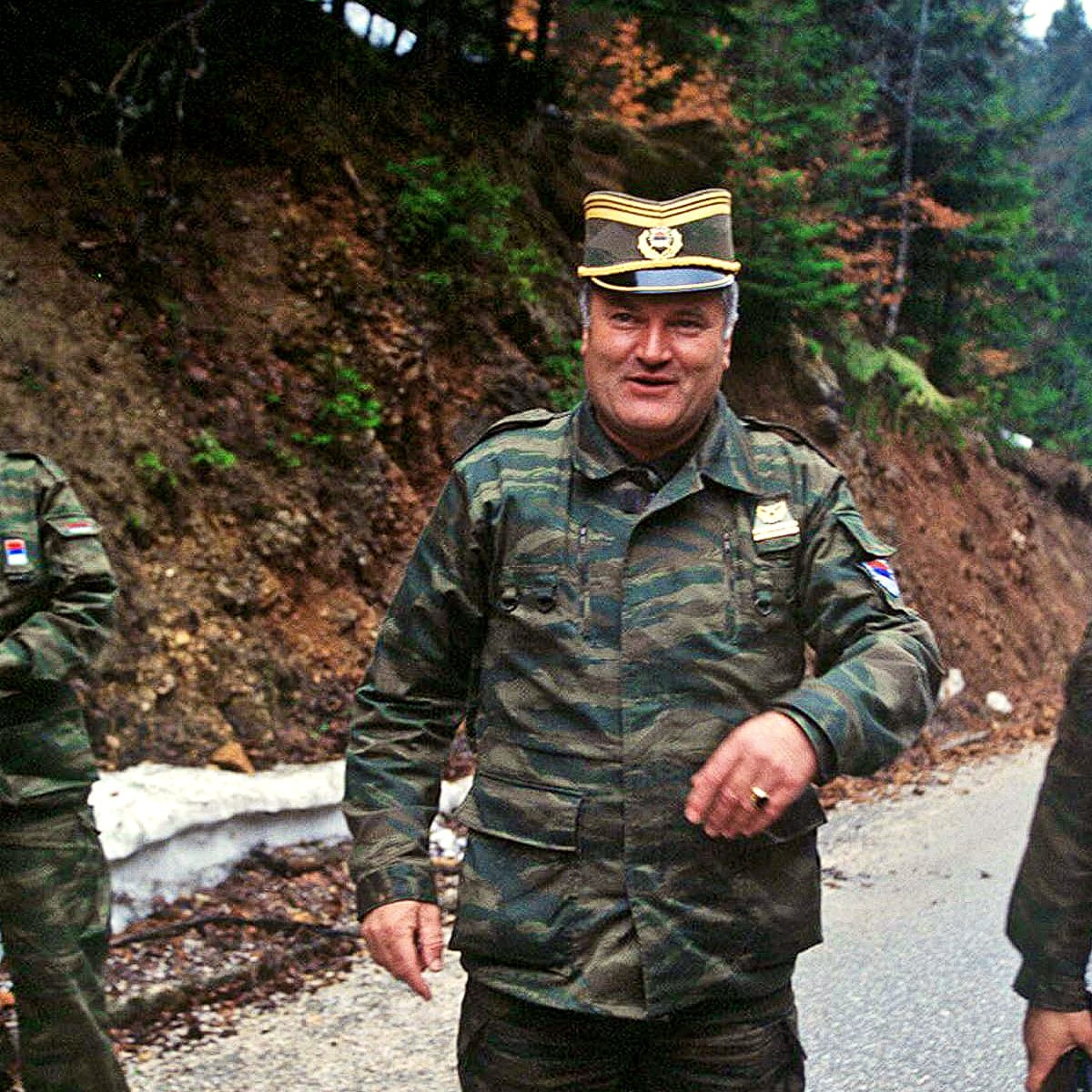
Mladic had remained in international custody since his arrest in 2011, after spending approximately 16 years evading capture. During the final years of his imprisonment, his health reportedly deteriorated significantly, and he was repeatedly taken to hospital for treatment. He was believed to have suffered several strokes, including health problems dating back to the years when he was still a fugitive. His long period on the run became one of the most remarkable chapters in the international effort to prosecute those accused of atrocities during the breakup of Yugoslavia. For years, despite being one of the world’s most wanted war-crimes suspects, Mladic avoided arrest before Serbian authorities finally captured him in 2011, opening the way for his transfer to The Hague and a lengthy international trial.
Mladic’s military career is remembered above all for his role in the Srebrenica massacre and the siege of Sarajevo. After Bosnia and Herzegovina declared independence from Yugoslavia, war erupted among competing ethnic and political forces, producing mass displacement and widespread atrocities. Bosnian Serb forces under Mladic’s command participated in a campaign aimed at removing non-Serb populations from areas they sought to control. The conflict ultimately killed around 100,000 people and displaced more than two million. Sarajevo endured a prolonged siege in which civilians lived under shelling and sniper fire, while detention facilities were used across the conflict to imprison civilians, captured fighters and others. The scale of the suffering transformed the Bosnian War into one of the defining humanitarian catastrophes of postwar Europe.
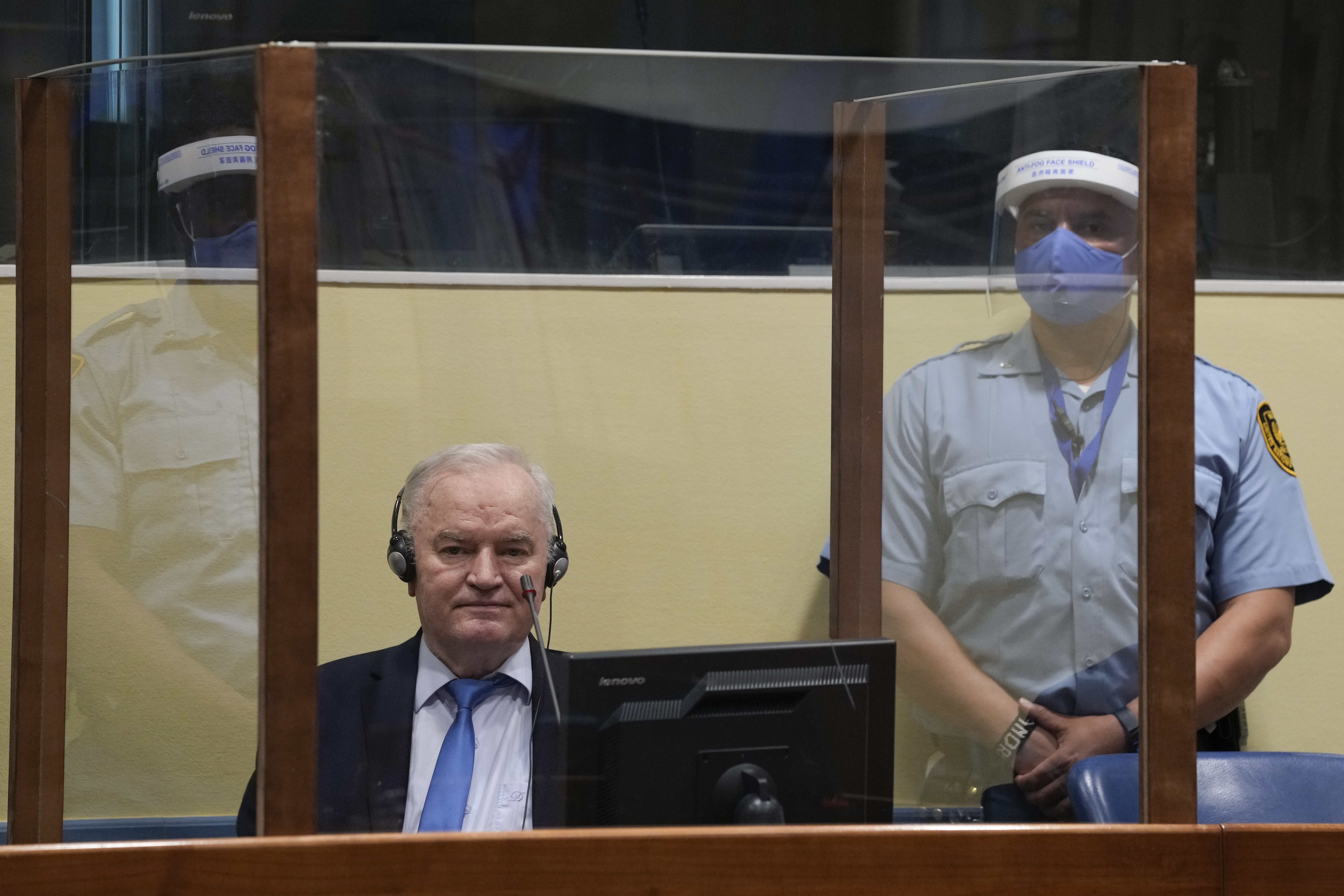
The most infamous episode connected to Mladic occurred at Srebrenica in July 1995. The town had been designated by the United Nations as a “safe area,” and thousands of Bosnian Muslims had sought protection there. When Bosnian Serb forces captured the enclave, men and boys were separated from women and children. More than 8,000 Bosniak Muslim men and boys were subsequently killed, making Srebrenica the deadliest massacre in Europe since the Second World War. Many victims were buried in mass graves, and some bodies were later removed and transferred to secondary burial sites in an effort to conceal evidence. The massacre was ultimately legally recognized as genocide by international courts and became central to the criminal proceedings against Mladic.
Mladic also repeatedly framed the conflict through a historical and nationalist lens. He was known for invoking Serbia’s past and referring to Bosnian Muslims as “Turks,” connecting the contemporary conflict to centuries of Ottoman rule in the Balkans. After his forces entered Srebrenica, he publicly spoke about revenge in the region, remarks that later became closely associated with the events that followed. The capture of what was supposed to be a UN-protected enclave was followed by systematic executions lasting for days. Survivors’ testimony, forensic investigations and the discovery of mass graves would later provide crucial evidence for international prosecutors attempting to establish what happened and determine responsibility within the Bosnian Serb political and military leadership.

Despite being indicted during the war, Mladic managed to remain beyond the reach of international justice for roughly 16 years. His years as a fugitive generated intense speculation about how such a prominent wanted man could avoid capture for so long. International pressure on Serbia increased as authorities searched for him, and questions persisted over whether networks of former military colleagues, sympathizers or others had helped him remain hidden. His deteriorating health also became part of the story of his final years underground. The long pursuit ended in May 2011 when Serbian authorities arrested him in the village of Lazarevo. His capture brought an extraordinary manhunt to an end and allowed prosecutors in The Hague to proceed with one of the most significant war-crimes cases arising from the Yugoslav conflicts.
In 2017, the International Criminal Tribunal for the former Yugoslavia found Mladic guilty of genocide at Srebrenica, persecution, extermination, murder, deportation, forcible transfer, terror and other crimes against humanity and violations of the laws or customs of war. He was sentenced to life imprisonment. Mladic reacted angrily during the proceedings and rejected the accusations against him, at one point denouncing the judges’ statements as lies. His conviction established his individual criminal responsibility for major elements of the campaign carried out by Bosnian Serb forces. An appeals judgment in 2021 upheld his life sentence, leaving him to spend the remainder of his life in international detention. His declining physical condition resulted in repeated medical treatment, but it did not alter the final legal judgment against him.
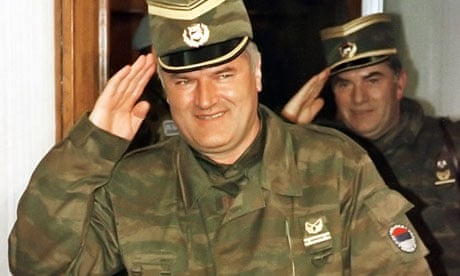
Mladic’s death at 84 therefore ends his personal story, but not the historical debate or the lasting trauma surrounding the Bosnian War. For families who lost relatives at Srebrenica, for survivors of the siege of Sarajevo and for communities displaced during the campaign of ethnic cleansing, his name remains inseparable from events that permanently changed their lives. His 16 years as a fugitive, his eventual capture, the evidence presented at his trial and his life sentence became part of a broader international effort to hold senior military and political leaders accountable for mass atrocities. While his death in a UN prison hospital closes the final chapter of his own life, investigations, survivor accounts and historical research continue to reveal how he avoided justice for so long and how the machinery of violence operated during one of the darkest periods in modern European history.