Vehicle license plate cloning is becoming a growing crisis across the UK, leaving thousands of innocent drivers facing unfair penalties and serious legal problems. More than 11,000 motorists reported receiving notices linked to crimes or incidents involving their registration numbers despite having no connection to them. The sharp rise in cases has raised concerns that criminals are increasingly exploiting weaknesses in the vehicle registration system to avoid detection.
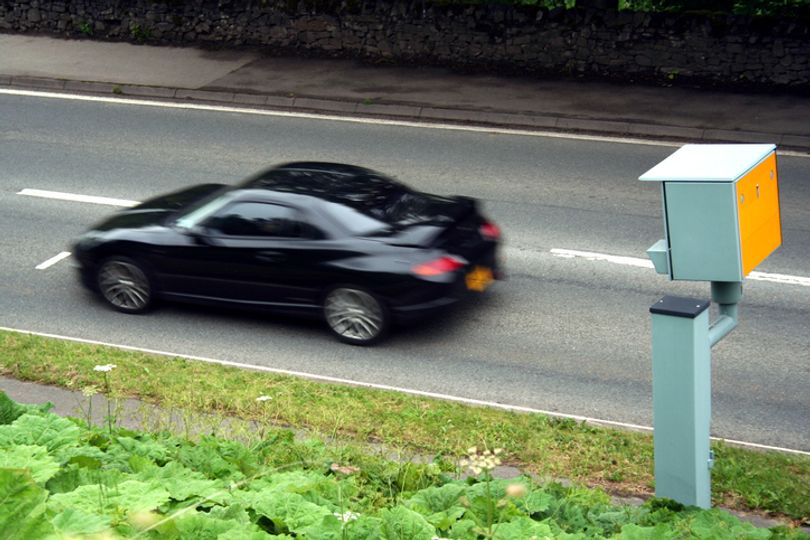
Plate cloning involves criminals illegally copying a legitimate vehicle’s registration number and placing it on another car. By using a genuine registration linked to an innocent owner, offenders can bypass automatic number plate recognition (ANPR) cameras, avoid identification, and continue carrying out illegal activities. These cloned plates have been linked to traffic offences, stolen vehicles, drug trafficking, weapons transportation, and other serious crimes.
The problem has become even more alarming following a fatal crash involving a Volkswagen Passat that killed two police officers after being driven the wrong way along the A66. The Independent Office for Police Conduct (IOPC) revealed that the vehicle was believed to have been using cloned number plates and had previously been connected to multiple incidents. The case highlighted how criminals can exploit fake identities on vehicles to stay hidden from law enforcement.
Experts say organised crime groups often use cloned plates on stolen vehicles, particularly by copying registration numbers from similar cars with clean records. This allows criminals to move around without triggering police systems while transporting illegal goods or carrying out dangerous activities. Meanwhile, the genuine vehicle owner is left responsible for proving they were not involved, often facing stressful investigations and lengthy disputes.
One example involved former Bradford City footballer Ben Richards-Everton, who was stopped by police after his Range Rover’s registration number was flagged by ANPR systems. Officers suspected links to firearms and drug-related offences, and he was reportedly fearful during the confrontation. He was later released without further action after police concluded that his number plates had likely been cloned by another driver.

The issue is not limited to cloned plates alone. Road safety groups have warned about the growing use of “ghost plates”, where criminals use plastic coverings, special sprays, or altered lettering to prevent cameras from correctly identifying vehicles. The RAC has estimated that a significant number of vehicles on UK roads have damaged, hidden, or unreadable plates, weakening one of the main tools used by police to track offenders.
Campaigners argue that outdated regulations and weak enforcement have created an environment where criminals can easily obtain fake plates online. A report from the All-Party Parliamentary Group for Transport Safety described the current system as a “Wild West”, claiming that poor oversight of plate suppliers allows illegal operators to provide counterfeit plates with minimal checks. The report highlighted concerns that thousands of registered suppliers operate with limited monitoring.
The report also raised concerns about the lack of resources available to regulate the industry. With only a small number of DVLA enforcement officers responsible for overseeing thousands of plate suppliers, campaigners say stronger background checks, stricter inspections, and tougher penalties are needed. Some suppliers have reportedly operated from private homes, garages, and garden sheds, making illegal plate production easier to access.
Using fake registration plates to conceal a vehicle’s identity can lead to prosecution for fraud by false representation, with offenders facing unlimited fines and possible imprisonment. However, successful prosecutions remain difficult because investigators often struggle to prove who was driving the vehicle or who installed the cloned plates. This has allowed many criminals to avoid serious consequences despite the damage caused.

Authorities are now reviewing the vehicle registration system and considering stronger enforcement measures. The government has said it is taking action against illegal plates that help criminals escape detection as part of wider road safety plans. Drivers who believe their registration number has been cloned are advised to report it immediately to police, the DVLA, and their insurer. As plate cloning continues to rise, officials face increasing pressure to close the loopholes that allow criminals to turn innocent motorists into victims of their crimes.