Carrying a barbecue tradition that stretches back five generations, Mississippi-born mother-and-son pitmasters Leslie Roark Scott and Jacob Scott stepped into one of the toughest culinary battles on Food Network’s new reality competition series “Pitmasters.” The duo entered the competition with years of experience, family knowledge, and a deep passion for live-fire cooking, but they quickly discovered that their greatest challenge would not only come from the other elite barbecue teams. Competing against eight powerful rival teams, Leslie and Jacob had to survive a relentless six-day-and-night battle in the Utah mountains, where unpredictable weather, high altitude, and nonstop cooking demands tested their endurance like never before.
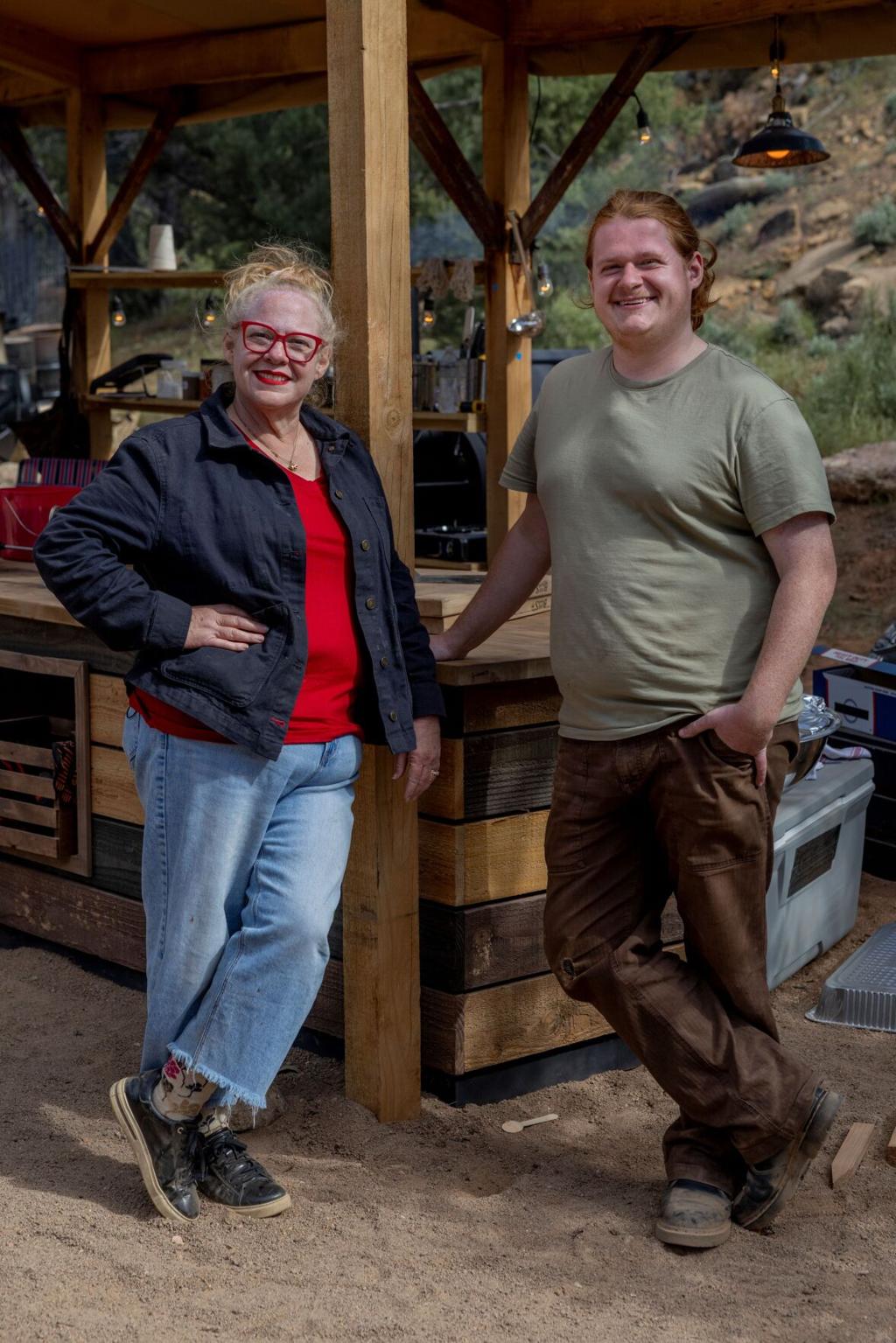
For the Scotts, barbecue is more than a cooking style — it is a family identity passed down through generations. Leslie Roark Scott represents the fourth generation of pitmasters in her family, while her son Jacob continues the legacy as the fifth. Originally from Yazoo City, Mississippi, the pair later moved to New Orleans, where they embraced the city’s unique culture while bringing their traditional barbecue roots with them. Leslie often described the move as “the same river, different swamp,” referring to how both Mississippi and Louisiana are connected by the Mississippi River while offering completely different environments and influences.
Their appearance on “Pitmasters” was another major chapter in a long history of food competition experience. Jacob Scott was already familiar with the pressure of television cooking competitions long before joining the series with his mother. At just 12 years old, he competed on “Kids BBQ Championship,” and the following year he appeared on “Chopped Jr.” Later, he and Leslie teamed up for the show “Stove Tots,” where their family dynamic was put to the test in a completely different format.
During that earlier competition, Jacob took the role of the main cook while Leslie had to step back as his sous chef, only stepping in when he asked for help. Now, years later, “Pitmasters” allowed them to return to television as a true mother-son barbecue partnership, showcasing the skills they had developed together over decades.
Leslie also brought an impressive competition background of her own. Before entering “Pitmasters,” she had competed on “BBQ Pitmasters,” appeared multiple times on “Chopped,” and even faced off against celebrity chef Bobby Flay on “Beat Bobby Flay.” Although she joked that defeating Bobby Flay was nearly impossible, her appearances proved that she was no stranger to high-pressure culinary battles.
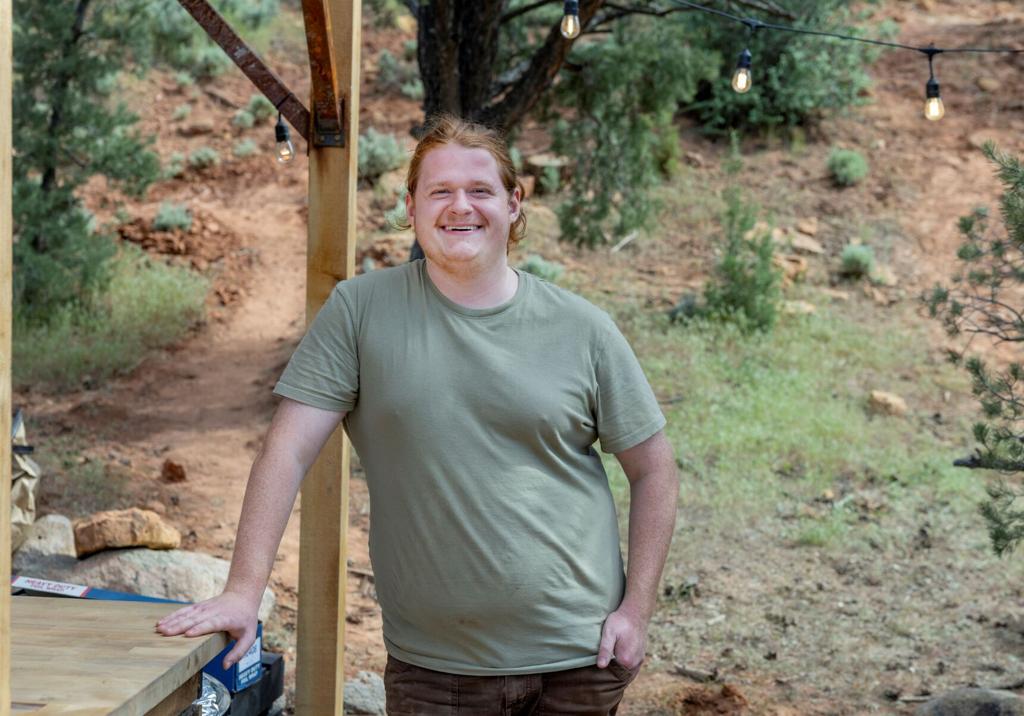
However, the challenge waiting for them on “Pitmasters” was unlike anything they had experienced before. Instead of a traditional barbecue competition with controlled conditions, the teams were transported to the mountains of Utah, far away from the familiar Southern barbecue environment where Leslie and Jacob had built their reputation. The high elevation created a completely different cooking experience, affecting everything from fire management to cooking times.
The competition pushed every contestant beyond normal limits. The nine teams were forced to cook almost continuously for nearly an entire week, dealing with limited sleep, little time for rest, and dramatic changes in temperature. The days could be warm and sunny, while the nights became cold and uncomfortable in the mountain environment. Every team arrived with their own barbecue traditions, techniques, and regional influences, creating a battle where there was no single definition of what great barbecue should be.
Leslie explained that one of the most interesting parts of the competition was seeing how different pitmasters approached the same challenges. Teams from various parts of the country brought unique styles, flavors, and methods, proving that barbecue was not limited to one region or one tradition. While everyone was competing for the same prize, each team represented a different interpretation of live-fire cooking.
For Leslie and Jacob, their biggest advantage was not just their technical knowledge — it was their connection as family. Leslie had spent decades mastering barbecue, while Jacob grew up surrounded by the sights, smells, and traditions of the pit. Their relationship gave them a level of trust that many other competitors did not have.
Jacob admitted that some competitors seemed almost jealous of their partnership, not because they viewed him as an unfair advantage, but because he had the rare opportunity to compete alongside his mother. For him, the experience was meaningful because barbecue had always been something that connected their family.
Their family history in barbecue runs deep. Leslie’s great-grandfather started the tradition, which was later passed down through the family. Her grandfather became known for his special barbecue sauce, which he shared with neighbors before the family eventually turned it into a business. The sauce, known as Ubons, remains available today alongside other products such as their bloody mary mix, preserving the family’s culinary legacy beyond competitions.
Leslie has spent years working in the barbecue world, including operating a restaurant for two decades, catering events, and appearing at food festivals and demonstrations. She has also remained active in the barbecue community, including participating in events such as Hogs for the Cause, a major charity barbecue festival.
Despite their extensive experience, Leslie described “Pitmasters” as one of the most demanding competitions she had ever faced. Traditional barbecue contests often require overnight cooking, but this competition pushed the concept to another level. The teams had to manage fires, prepare dishes, and remain focused around the clock for nearly a full week.
Yet despite the exhaustion, both Leslie and Jacob said they would do it all again. For them, the competition represented more than a chance to win the $50,000 grand prize. It was an opportunity to celebrate their family history, showcase their barbecue style, and prove that their five-generation legacy could stand among the best pitmasters in the world.
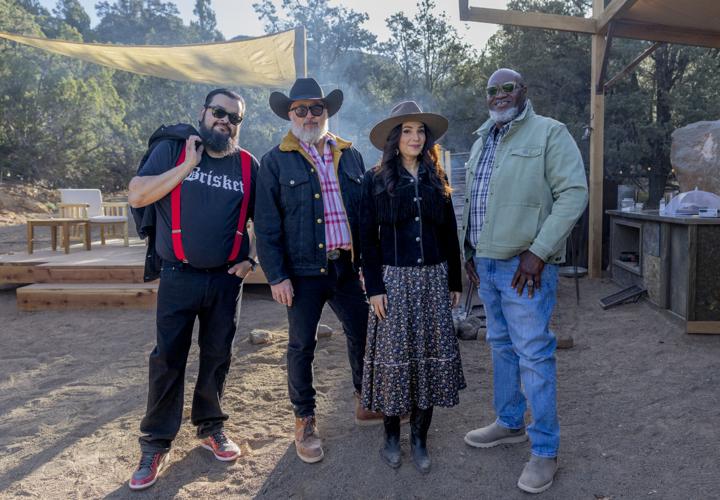
With host Andrew Zimmern leading the competition and judges including Jess Pryles, Moe Cason, and Ernest Servantes evaluating the final dishes, “Pitmasters” became a true test of endurance, creativity, and barbecue mastery. For Leslie and Jacob Scott, the ultimate secret weapon was not a special recipe or a unique cooking technique — it was the bond between a mother and son who had spent their entire lives building the same barbecue legacy together.