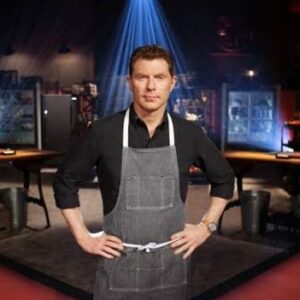
For decades across North America, Asian cuisine — especially Chinese food — has carried an unfair and deeply rooted stigma. Many restaurants serving these traditions have been expected to remain inexpensive, offer oversized portions, and deliver food at extremely fast speeds, regardless of the true cost, craftsmanship, and cultural value behind each dish. The story of Yueh Tung restaurant, featured on Restaurant Impossible: Last Call, has brought this overlooked struggle in the food and beverage industry into the spotlight. The restaurant’s battle for survival reveals how outdated customer expectations and the pressure to keep prices artificially low can threaten even the most established culinary institutions.

Founded in 1986, Yueh Tung became a respected name in Toronto’s food scene as the city’s oldest Hakka Chinese restaurant. Over nearly four decades, the restaurant built a loyal following through signature dishes such as Chili Chicken and Manchurian Chicken, which became closely associated with its identity. However, when sisters Jeanette and Joanna Liu inherited the family business from their parents, they discovered a painful reality: popularity did not necessarily translate into financial stability.
During peak lunch hours, Yueh Tung’s dining room remained busy, and the kitchen operated at full capacity. Customers continued to come through the doors, but behind the scenes, the financial records told a different story. Despite strong demand, the restaurant struggled to generate sustainable profits. Rising expenses — including labor costs, rent in downtown Toronto, and increasingly expensive ingredients — had severely reduced the restaurant’s margins.
The core issue was a long-standing pricing problem. Like many traditional Asian restaurants, Yueh Tung had fallen into the trap of providing maximum value at the lowest possible price. In an effort to maintain customer loyalty, the restaurant continued serving large portions while keeping prices significantly lower than restaurants offering comparable dining experiences in other cuisines. For years, this approach helped build a reputation for generosity, but it eventually became impossible to maintain.
Inflation exposed the weaknesses of this model. The cost of running a restaurant had changed dramatically, yet customer expectations had remained frozen in the past. Jeanette and Joanna faced a difficult decision: increasing prices could risk disappointing longtime customers, but refusing to adjust prices would slowly destroy the business from within.

This struggle represents a much broader challenge experienced by many Asian restaurant owners throughout North America. Yueh Tung’s situation reflects a cultural and economic imbalance that has affected generations of immigrant-owned food businesses. Many Asian restaurants have been judged by a different standard compared with Western dining establishments.
Customers often accept paying premium prices for European or Western cuisine, such as pasta dishes, steaks, or fine dining meals, even when the ingredient costs may not appear dramatically higher. However, similar expectations are rarely applied to Asian cuisine. A complex stir-fry, noodle dish, or wok-based creation may require years of culinary skill, precise preparation, specialized techniques, and intense kitchen labor, yet many customers still expect these meals to remain underpriced.
This perception has forced countless family-run Asian restaurants to compensate through personal sacrifice. Owners and relatives often work longer hours, reduce their own earnings, and rely on unpaid family labor just to maintain affordable prices. While this dedication demonstrates commitment to customers and cultural heritage, it creates a business model that is emotionally meaningful but financially unsustainable.
When F&B expert Jen Agg and Chef Aarón Sánchez stepped in to help Yueh Tung through Restaurant Impossible: Last Call, they focused on changing not only the restaurant’s operations but also its relationship with value and pricing. Their approach challenged the belief that success requires constantly lowering prices and increasing portions.

One of the most important changes was simplifying the menu. By removing less popular dishes that created unnecessary inventory costs and complicated kitchen operations, Yueh Tung could focus on the dishes that best represented its heritage while improving efficiency and profitability. A smaller, more intentional menu allowed the restaurant to highlight its strongest offerings instead of spreading resources too thin.
Another major adjustment involved portion sizes and pricing strategy. Instead of using excessive portions as a way to prove value, the restaurant was encouraged to create servings that reflected modern dining expectations. The goal was not to reduce generosity but to eliminate waste and ensure that every dish was priced according to the true cost of ingredients, labor, and expertise involved.
Jen Agg’s message was clear: respecting the value of one’s own cuisine is the first step toward earning respect from customers. Raising prices is not an act of greed; it is a necessary measure to protect the future of the restaurant, preserve food quality, and ensure that the people behind the business can continue their work.
The transformation of Yueh Tung represents more than just a successful restaurant rescue. It serves as an important lesson for traditional family-owned restaurants everywhere. Customer loyalty should not depend on unrealistic prices that cannot support a sustainable business. Restaurants built on cultural history and culinary craftsmanship must learn to communicate their true value.

For many Asian restaurants, the path forward requires abandoning the belief that affordability alone defines their worth. Sustainable success comes from recognizing the value of tradition, improving operations, creating meaningful dining experiences, and confidently charging prices that reflect the skill and heritage behind the food.
The story of Yueh Tung is ultimately a reminder that protecting culinary traditions requires more than preserving recipes. It also requires protecting the businesses, families, and communities that keep those traditions alive. By redefining value and embracing sustainable practices, restaurants like Yueh Tung can continue sharing their culture with future generations while receiving the recognition they deserve.