Have you ever wondered what separates a memorable fine-dining dish from an ordinary meal made at home? The answer might seem as though it should involve expensive truffles, premium cuts of beef, rare seafood, or some complicated technique mastered only by professional chefs. But according to renowned chef Kristen Kish, one of the smartest investments a home cook can make is far simpler and more familiar. During a recent appearance on Watch What Happens Live with Andy Cohen, Kish was asked to name the best ingredient worth splurging on. Her answer was immediate: “Salt. Good salt.” It may sound surprisingly basic, but her recommendation highlights an important truth about cooking. Sometimes the ingredient capable of transforming a dish is already sitting in almost every kitchen.

Salt is much more than something added simply to make food taste salty. It plays a fundamental role in how we experience flavor. Sodium can reduce our perception of bitterness while making aromas and other flavors seem stronger and more noticeable. Salt also stimulates the taste buds and encourages saliva production, helping flavors spread more effectively throughout the mouth. That is why a properly seasoned dish can suddenly taste richer, brighter, sweeter, or more complex even though no major ingredient has been changed. This applies to both savory cooking and desserts. Once cooks begin treating salt as a serious ingredient rather than an afterthought, even familiar recipes can become dramatically more satisfying. However, the important lesson is that not every salt performs the same function.
For a versatile kitchen, three kinds of salt are especially useful: kosher salt, flaky sea salt, and fine sea salt. Each has a different texture and purpose, which means choosing the right one can give a cook much greater control over the final result. Kosher salt is the everyday workhorse. Its relatively large crystals make it easy to pick up with the fingers and distribute across food, while its texture helps it adhere well to ingredients during seasoning. Compared with many finer salts, it can also feel less aggressively salty by volume, allowing cooks to season gradually. It works across almost every part of the day, from breakfast eggs to lunchtime dressings, sauces, vegetables, meats, and richly flavored curries prepared for dinner.
Among kosher salts, Diamond Crystal has become a favorite of many professional chefs and recipe developers. One reason is its light crystal structure, which means a given volume can contain less salt than the same measurement of a denser variety. That difference matters because recipes frequently give salt measurements in teaspoons or tablespoons. If a cook substitutes a denser, saltier product in exactly the same volume, the finished dish may become overly salty. Diamond Crystal offers more room to adjust seasoning little by little, which is valuable because adding salt is easy while removing it from an already seasoned dish is extremely difficult. Keeping a large box in the pantry and transferring some into an accessible salt cellar can make frequent, controlled seasoning part of the everyday cooking process rather than something done only at the end.
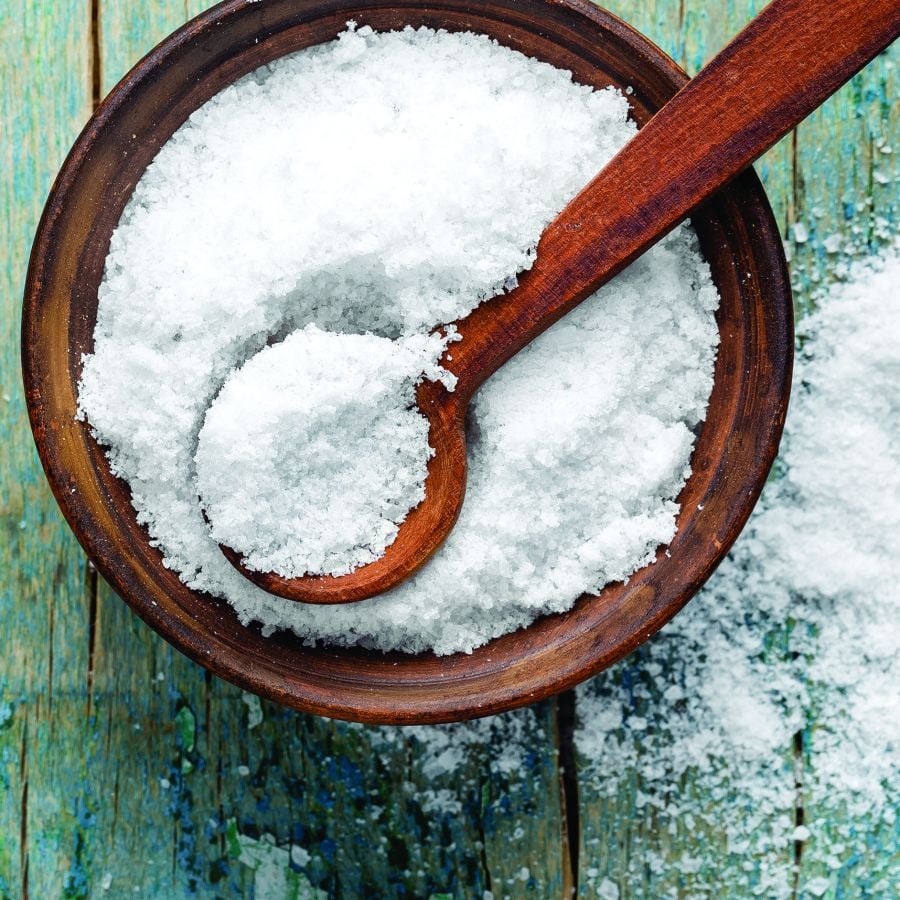
Flaky sea salt serves a very different purpose. Instead of disappearing into a dish, it is often meant to remain noticeable. Maldon is particularly well known for its delicate, distinctive flakes, which can provide both a burst of salinity and an appealing textural contrast. This is primarily a finishing salt, meaning it should generally be sprinkled over food after cooking rather than dissolved into sauces or boiling water. Crushing those beautiful flakes into a finished dish gives diners tiny pockets of saltiness that appear at different moments with each bite. That effect can make simple foods feel more sophisticated because flavor and texture are no longer completely uniform. Used carefully, flaky salt becomes almost like a final garnish, adding another sensory dimension without requiring a complicated preparation.
This finishing technique is particularly effective with desserts and baked goods. Rich sweets often contain significant amounts of butter, chocolate, sugar, cream, or other fatty ingredients, and a small amount of flaky salt can cut through that richness while emphasizing flavors that might otherwise seem heavy. A buttery chocolate chip cookie, for example, becomes more interesting when a few flakes of sea salt create a sharp contrast with the sweetness. Chocolate sorbet served with olive oil can gain similar complexity from a salty finish. But flaky salt is not limited to desserts. It can intensify the flavor of an oil-rich focaccia, brighten vegetables, or transform something as simple as fresh radishes dressed with lemon and salt and served alongside soft butter. These dishes demonstrate how a tiny finishing touch can make uncomplicated ingredients feel restaurant-worthy.
Fine sea salt completes the trio because its strength lies in even distribution and rapid dissolving. Unlike coarse kosher salt or large flakes, fine salt can disappear quickly into batters, doughs, custards, puddings, sauces, and other mixtures where visible crystals would be undesirable. La Baleine is one example valued for its clean salty flavor and ability to dissolve smoothly. The important caution is that fine salt is easy to overuse. Because the crystals are small and densely packed, a teaspoon can deliver considerably more salt than the same volume of a lighter kosher salt. For that reason, cooks should use it carefully and remember that salt measurements are not automatically interchangeable simply because a recipe specifies the same number of teaspoons.

Fine sea salt is especially valuable in baking, where salt often needs to perform its job without drawing attention to itself. Cakes, pastries, buttercreams, puddings, cookies, and custards all benefit from salt because it balances sweetness and strengthens subtle flavors, yet diners usually should not encounter obvious salty crystals inside them. Fine salt disperses evenly, allowing that balancing effect to occur throughout the entire mixture. Ultimately, Kristen Kish’s recommendation is not simply that people should spend more money on salt. The bigger lesson is to understand salt as a collection of tools. Kosher salt handles everyday seasoning, flaky sea salt provides texture and a final burst of flavor, and fine sea salt blends smoothly into recipes requiring even distribution. Investing in good versions of these basic salts may seem less glamorous than buying truffles or luxury beef, but learning when and how to use them can elevate nearly everything you cook. The difference between an ordinary family meal and a dish that feels professionally prepared may sometimes come down to one of the most familiar ingredients in the kitchen—and using it with far more intention.