Prince Harry and Meghan Markle’s already complicated relationship with Britain has entered another controversial chapter following reports that the Duke and Duchess of Sussex intend to relocate permanently to the UK with their two children. The prospect of Harry, Meghan, Archie, seven, and Lilibet, five, living in Britain again has immediately revived questions about their personal safety and, more significantly, who would pay for the security required to protect them. One former senior royal protection officer has suggested that round-the-clock arrangements for the family could potentially cost British taxpayers as much as £5 million every year.
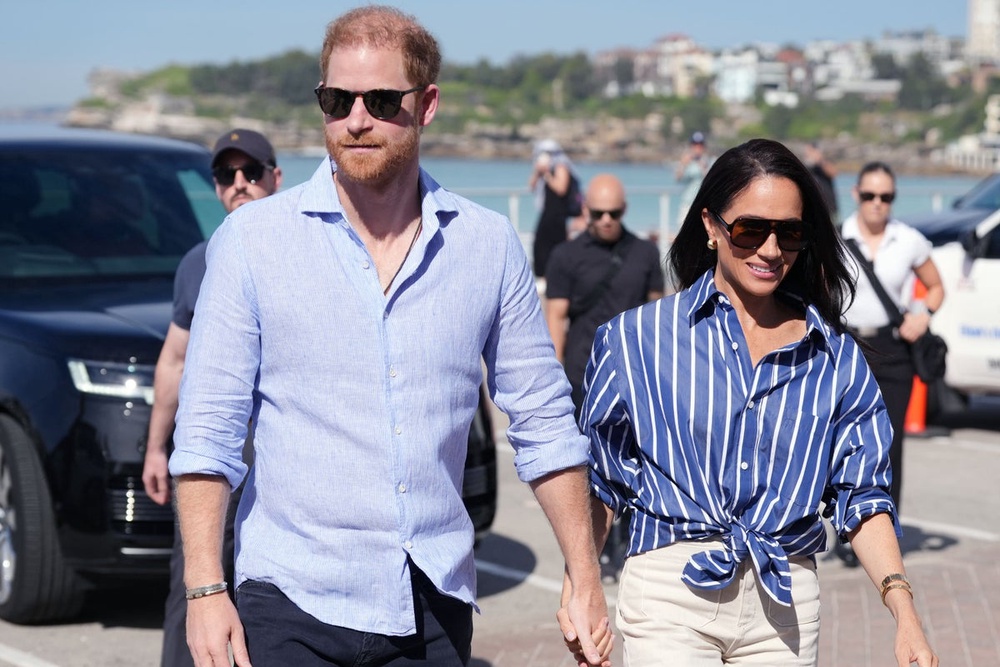
Dai Davies, the Metropolitan Police’s former head of royalty protection, said Harry’s reported decision to return to Britain with his entire family fundamentally changes the security situation. According to Davies, the Sussexes becoming permanent UK residents would “raise the temperature” surrounding the question of protection because the circumstances are very different from Harry making occasional visits alone. He stressed that the combination of Harry’s international profile, the presence of Meghan and their children, and the family’s permanent residence in Britain would require the authorities to conduct a fresh professional assessment of the potential threats facing them.
Harry and Meghan have spent years challenging the arrangements surrounding their security in Britain. Their taxpayer-funded police protection was downgraded after they stepped away from their roles as senior working members of the Royal Family in 2020 and subsequently moved abroad, first to Canada and later to California. Harry repeatedly argued that the security arrangements available to him during UK visits were inadequate for his family. In 2025, he lost a Court of Appeal challenge against the Home Office over the issue. Following that defeat, Harry told the BBC that he could not imagine bringing Meghan and their children back to the UK because he did not believe it was safe for them.
The reported decision to return permanently therefore represents a dramatic change in circumstances. The Sussexes are expected to live at an undisclosed location outside London rather than in an official royal residence, while Archie and Lilibet are reportedly due to attend British schools. Despite moving back, Harry and Meghan are expected to remain private individuals rather than returning to duties as working royals. Davies believes those circumstances make another security review increasingly likely. He did not argue that Harry should automatically receive the level of taxpayer-funded protection he has previously sought, but said the new situation should be examined again by professionals based on the actual threat level.
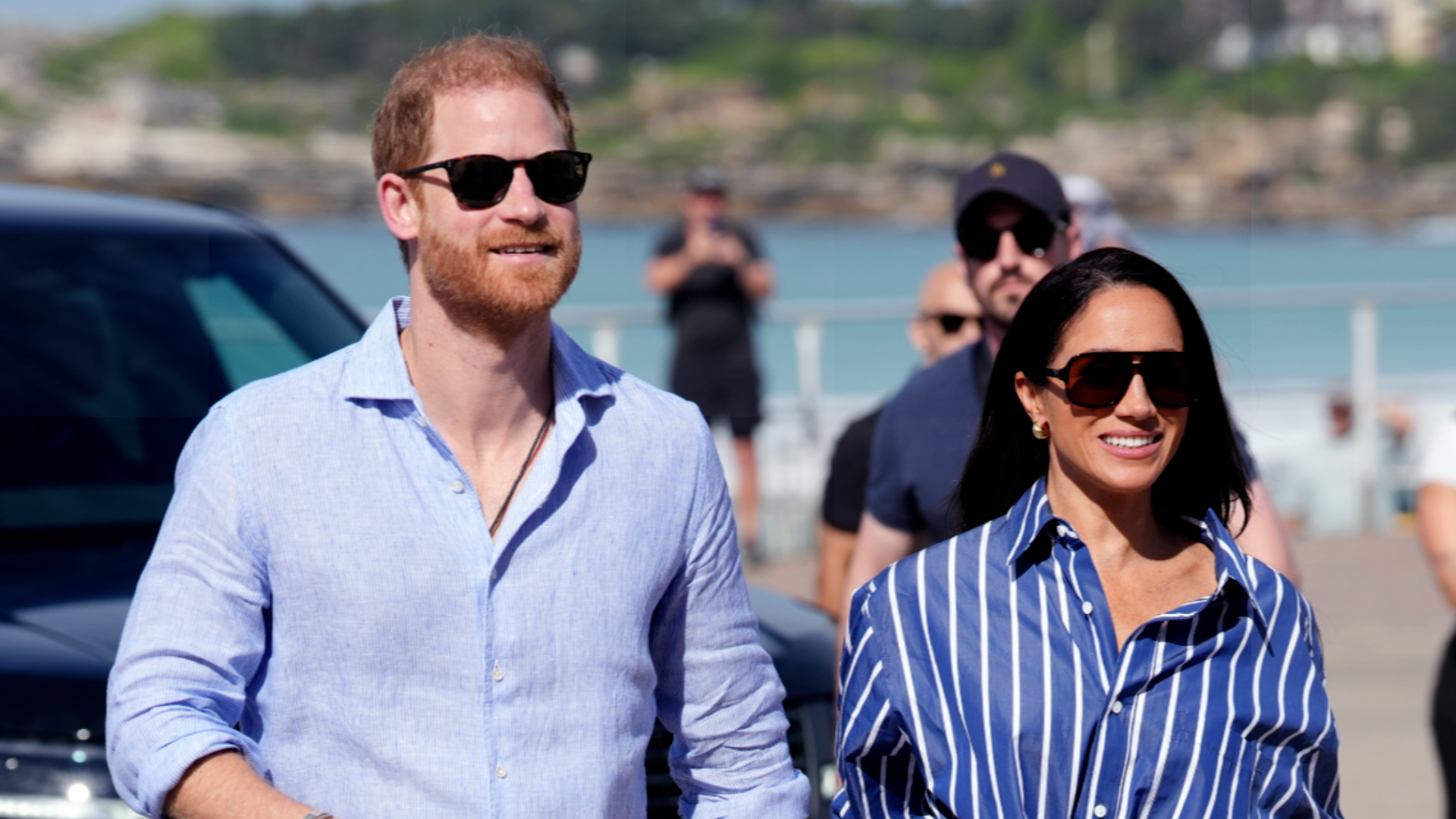
Davies also said there was a genuine potential security threat to Harry and his family, explaining that bringing Meghan, Archie and Lilibet to Britain on a permanent basis changes the dynamic considerably. The issue is not simply whether Harry himself requires protection during short trips, but how authorities would safeguard a high-profile family living ordinary daily lives in Britain, including taking children to school and attending public or private engagements. Continuous protection of that kind could require a substantial security operation, which is why estimates of up to £5 million annually have attracted attention and intensified the public debate over whether any portion of that expense should be covered by taxpayers.
The Government, however, has shown no indication that Harry will automatically regain publicly funded security. The Home Office reiterated that Britain’s protective security system is “rigorous and proportionate” while maintaining its long-standing position that detailed information about individual arrangements cannot be disclosed because doing so could undermine their effectiveness. Decisions concerning protection for members of the Royal Family and other prominent public figures are not simply made personally by the Home Secretary. They involve the Executive Committee for the Protection of Royalty and Public Figures, whose participants include representatives from the Home Office, Metropolitan Police and Royal Household, with decisions informed by professional assessments of risk.
Political questions have also emerged over who would ultimately pay if extensive protection is considered necessary. Prime Minister Andy Burnham declined to be drawn into the specifics when questioned during a visit to West Yorkshire, describing the Sussexes’ move and related arrangements as a private matter and wishing Harry and Meghan well. Meanwhile, Ailsa Anderson, a former press secretary to Queen Elizabeth II, suggested that taxpayers would understandably demand clarity. She argued that many members of the public facing pressure from food, energy and household costs could object strongly if they believed they were being asked to finance expensive security for two people who are no longer working members of the Royal Family.

The controversy is especially striking because Harry’s previous position was that Britain was not sufficiently safe for Meghan and their children. Since leaving royal duties six years ago, the Duke has generally made relatively brief trips back to his home country. More recently, however, family ties appear to have brought the Sussexes closer to Britain, including a July visit in which Archie and Lilibet reportedly saw their grandfather, King Charles, for the first time in four years at Highgrove in Gloucestershire. Their planned relocation now creates a new reality: Harry and Meghan may remain private citizens, but their profile and potential security risks have not disappeared. Whether they privately fund protection or receive some form of state-backed security remains unresolved, ensuring that their return will continue to fuel debate over safety, royal status and the potential cost to the British taxpayer.