In a stunning development that has reignited public outrage over the preventable horrors of the 2024 Southport attack, Chris Walker, the solicitor representing the families of the three young girls murdered in the massacre, has issued an explosive call: Axel Rudakubana’s parents should face prison time for their alleged failure to prevent the atrocity.
The demand comes hot on the heels of the publication of the first phase of the Southport Public Inquiry report on April 13, 2026, which delivered a damning verdict on both systemic failures by state agencies and the “moral failings” of Rudakubana’s parents. Inquiry chair Sir Adrian Fulford, a retired High Court judge, concluded that the attack “could and should have been prevented” and explicitly stated that it “would not have occurred” if Rudakubana’s parents had fulfilled what he described as their basic moral obligations.
The tragedy unfolded on July 29, 2024, when 17-year-old Axel Rudakubana burst into a Taylor Swift-themed dance workshop at The Hart Space in Southport, armed with a knife. In a frenzied and indiscriminate attack, he killed three innocent girls: Bebe King, aged six; Elsie Dot Stancombe, seven; and Alice da Silva Aguiar, nine. Eight other children and two adults were also seriously injured in what became one of the most shocking acts of violence against children in recent British history. Rudakubana was later sentenced to a minimum of 52 years in prison after admitting the murders.
For months, the bereaved families have sought answers through the public inquiry, which examined the lead-up to the attack, missed opportunities by authorities, and the role played by those closest to the perpetrator. The Phase 1 report, spanning hundreds of pages, paints a picture of “catastrophic” lapses. But it is the spotlight on Rudakubana’s parents—Alphonse Rudakubana and Laetitia Muzayire—that has stunned many and prompted Walker’s forceful intervention.

According to the inquiry findings, the parents knew their son was exhibiting deeply disturbing behaviour in the months and weeks before the attack. This included hoarding knives and machetes, accessing violent and extreme content online, and even producing ricin, a highly toxic substance, in his bedroom. Despite these red flags, they failed to report the full extent of the danger to police or social services. Sir Adrian Fulford was unequivocal: the parents created “significant obstructions” to agencies trying to engage with their son, failed to set boundaries, and acted out of a “misguided and irresponsible” desire to prevent him from being taken into care.
“If AR’s parents had done what they morally ought to have done,” the report states, “AR would not have been at liberty to conduct the attack and it would not therefore have occurred.” The chair acknowledged that parenting Rudakubana had been extremely challenging—he had made their lives a “nightmare”—but emphasised that this did not absolve them of “considerable blame.”
Chris Walker, speaking on behalf of the families of Bebe, Elsie, and Alice, did not mince words. In interviews and statements following the report’s release, he described the parents as having “blood on their hands” and argued that it would be “correct” for them to face incarceration. “They knew how dangerous he was, yet they stayed silent,” Walker has asserted in remarks echoed across media outlets. He has called for immediate accountability, not just reassurances that “lessons have been learned.”
The lawyer’s position has electrified public debate. While the inquiry stops short of recommending criminal charges against the parents—current UK law does not easily impose a broad legal duty on parents to report their children’s suspected criminal or dangerous behaviour—Walker and the families are pushing for change. They argue that a new legal framework is needed to enforce parental responsibility in cases involving escalating risks of serious harm. Phase 2 of the inquiry is expected to explore recommendations, including potential law reforms that could create such obligations.
The Shocking Revelations from the Inquiry
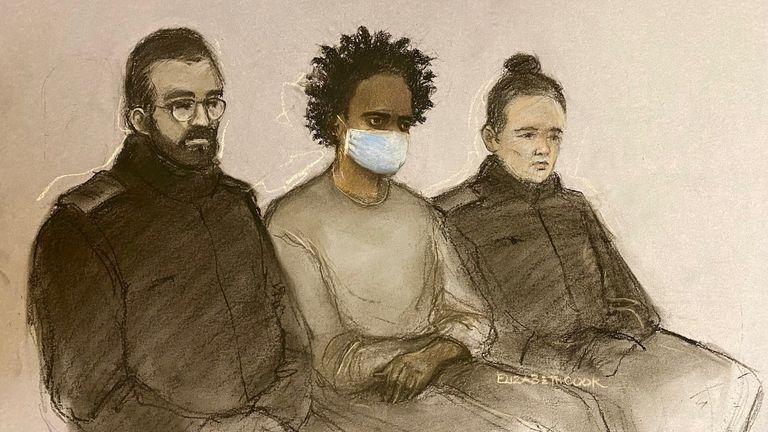
The report details a series of missed opportunities that, taken together, could have stopped Rudakubana. His parents were aware of his weapon collection and his attempts to make poison. They knew he had accessed “chilling” violent material. Yet, according to evidence presented, they withheld critical information from authorities and actively hindered engagement.
Alphonse Rudakubana, giving evidence to the inquiry via videolink from a secure location, tearfully apologised, admitting that “the love I had for him overrode my good judgement.” His wife, Laetitia, expressed similar regrets, saying there were “many things” they wished they had done differently. The inquiry accepted that the couple had struggled immensely but concluded their inaction was a profound moral failure—not just to their son, but to the wider community and, tragically, to the victims.
Beyond the parents, the report heavily criticises multiple state agencies for a “merry-go-round” of buck-passing. These include Lancashire Constabulary, social services, Child and Adolescent Mental Health Services (CAMHS), Forensic CAMHS, and the Prevent counter-extremism programme. Referrals were made, but information sharing was poor, risk assessments inadequate, and no one took decisive ownership of the escalating threat. Sir Adrian described a culture of avoidance that must end.
Home Secretary Shabana Mahmood responded by acknowledging a “systematic failure of the state” while pledging urgent reforms. Walker, however, has gone further, warning that he is prepared to publicly name individuals within five key agencies unless swift disciplinary action—including potential sackings—is taken. “All of those agencies failed to a totally unacceptable level,” he told BBC Breakfast.
A Demand That Resonates – But Raises Complex Questions
Walker’s call for the parents’ imprisonment has divided opinions. Supporters among the victims’ families and segments of the public argue that moral duty must translate into legal accountability when lives are at stake. “They failed not only as parents but as members of our society,” one family statement reportedly emphasised. The inquiry’s clear finding that the attack was preventable if the parents had acted has lent weight to demands for justice beyond the perpetrator himself.
Critics, including legal experts, caution that retroactively imposing criminal liability without a clear existing offence risks setting dangerous precedents. UK law already has some provisions around child neglect or failing to prevent certain crimes, but a general parental duty to report a child’s dangerous behaviour would require new legislation. The inquiry’s Phase 2 is likely to examine this, along with broader reforms to Prevent, mental health services, and information-sharing protocols.
The families of Bebe, Elsie, and Alice have vowed that their fight continues. “This does not end today,” Walker said. They want systemic change to ensure no other community suffers the same unimaginable loss. The report makes 67 recommendations aimed at preventing future atrocities, focusing on better risk identification, protection of the vulnerable, and ending the deflection of responsibility.
The Human Cost and the Path Forward
The Southport attack left a town—and a nation—traumatised. The three girls were attending a joyful dance class inspired by their idol Taylor Swift. Bebe, Elsie, and Alice represented innocence stolen in seconds of brutality. Their families have shown extraordinary dignity amid grief, channeling pain into calls for accountability and reform.
As the inquiry moves into its next phase, the focus on parental responsibility could prove game-changing. If new laws emerge placing a clear duty on parents (and agencies) to act on clear warnings of impending harm, it might represent a lasting legacy from this tragedy. Walker’s outspoken stance—demanding prison for Rudakubana’s parents and threatening to name negligent officials—has amplified the families’ voice at a critical moment.
Public reaction has been intense, with many expressing support for holding everyone accountable, from the killer’s family to the state bodies that failed. Others urge caution, warning against scapegoating while systemic issues remain unaddressed.
What is undeniable is the inquiry’s central message: the Southport murders were predictable and preventable. The “disturbing” evidence laid bare in the report—detailed knowledge of weapons, poisons, and violent obsessions that went unreported—has left many asking how such warnings could have been ignored.
Chris Walker’s demand for imprisonment may not lead to immediate charges, given current legal constraints, but it has thrust the issue of parental moral and potential legal duty into the national spotlight. As Phase 2 unfolds, the question remains: will Britain learn the lessons of Southport, or will more families pay the ultimate price for inaction?
The families, through their lawyer, have made clear they will not rest until real change occurs. In the words of the inquiry chair, a culture of excuses and buck-passing “has to end.” For the sake of Bebe, Elsie, Alice, and the community of Southport, the hope is that this report marks not just reflection, but a turning point in how society confronts escalating risks before they explode into unimaginable violence.