The return of BBQ Brawl for its seventh season signals more than just another installment of the popular Food Network series—it marks a clear evolution in how barbecue competitions are defined on television. Set once again at Star Hill Ranch in Austin, Texas, the new season promises not only high-level cooking, but a layered battle of identity, strategy, and culinary philosophy.
At the center of this transformation are the three team captains: Bobby Flay, Maneet Chauhan, and Brooke Williamson. Each brings a distinct approach to barbecue. Flay represents the backbone of American BBQ tradition—confident, competitive, and rooted in classic technique. Chauhan, on the other hand, thrives on global influence, blending bold spices and cross-cultural flavors into her cooking. Meanwhile, Williamson—stepping into a captain role after years as a judge—introduces a refined, fine-dining sensibility that emphasizes precision and presentation.
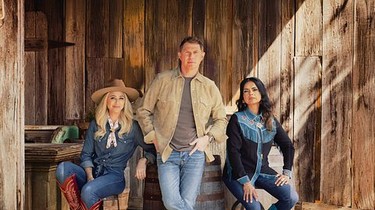
This contrast in leadership styles sets the tone for a season where barbecue is no longer just about “low and slow” cooking. Instead, contestants must navigate a far more complex culinary landscape, where storytelling, innovation, and adaptability are just as important as technical skill.
One of the most impactful twists returning this season is the premiere challenge advantage: the winner of the first task gets to choose their team captain. While it may seem like a minor rule change, it fundamentally alters the power dynamic. Instead of captains building their ideal teams, they must now appeal to contestants—creating a subtle but important shift in control. Early success becomes critical, and strategic positioning begins from the very first episode.
The cast itself reflects the show’s broader ambition. Competitors like Morgan Bolling and Tim McLaughlin represent the “technical elite”—chefs who rely on deep knowledge, precision, and consistency. They may not always command the spotlight, but their ability to execute under pressure makes them serious contenders in a competition where mistakes are costly.
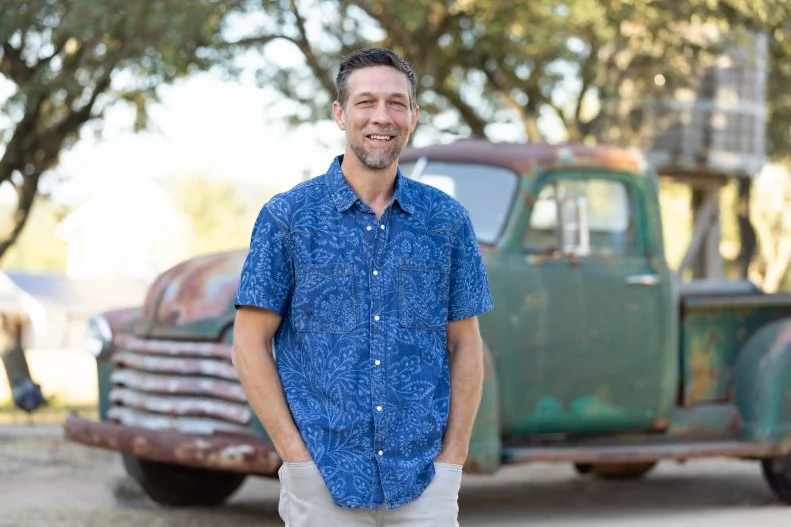
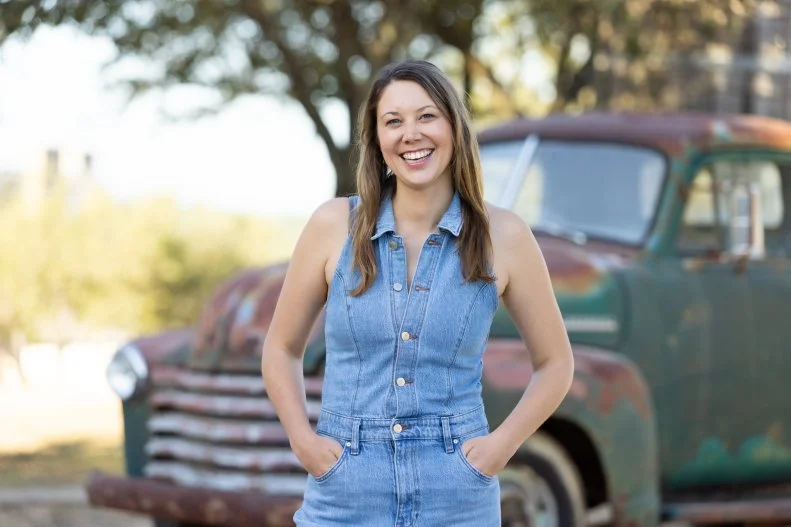
In contrast, personalities such as Raquel Fleetwood, T Gregoire, and Vinny Mangual bring energy, confidence, and on-screen charisma. These contestants are more likely to generate memorable television moments, whether through bold performances or intense rivalries. However, their challenge lies in maintaining consistency and avoiding costly errors driven by overconfidence or emotional decisions.
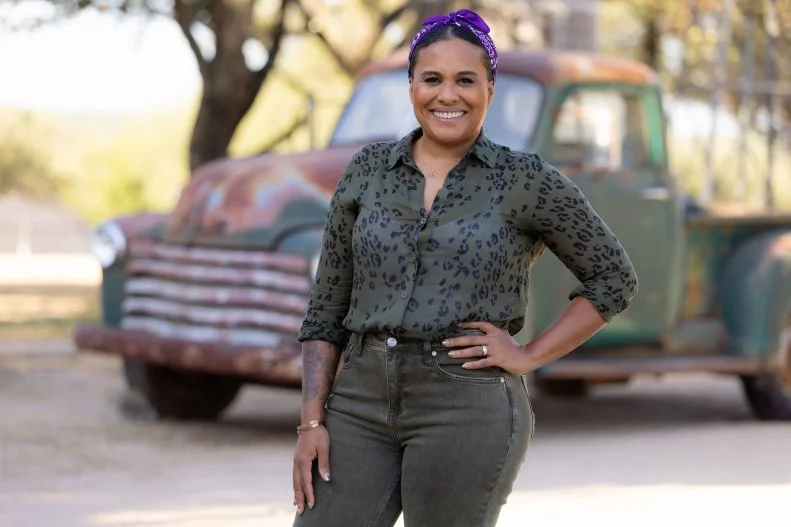
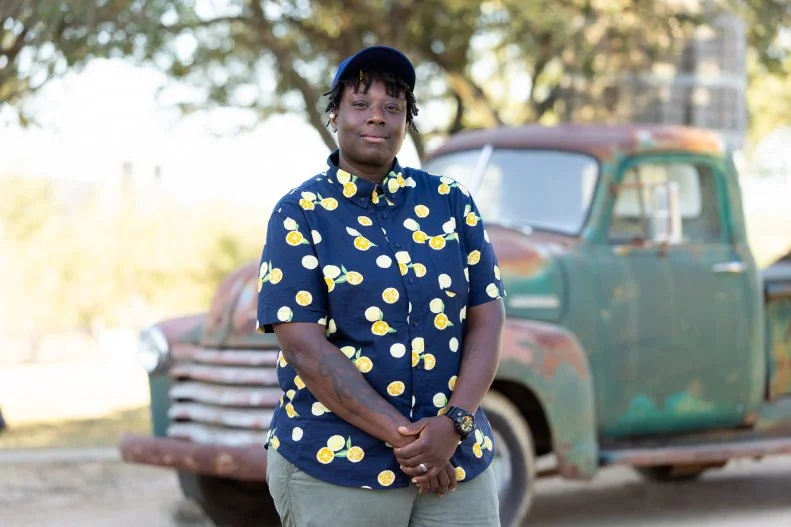
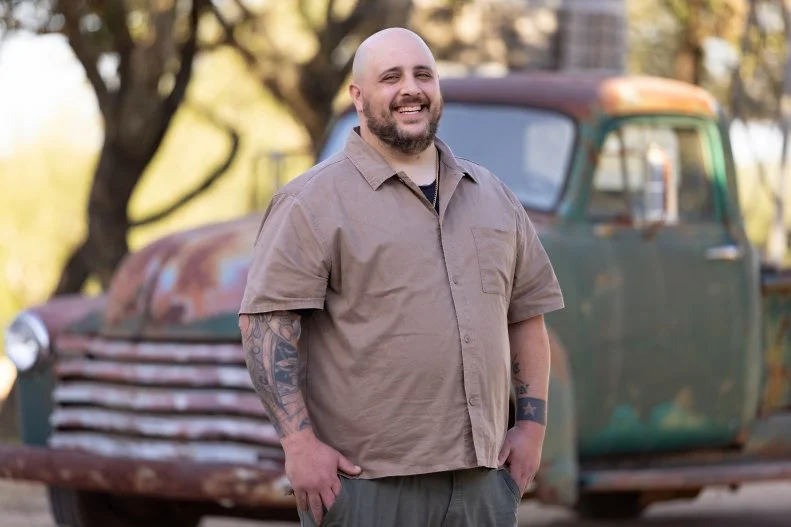
Perhaps the most intriguing layer of this season is its global influence. Contestants like Edith Mattiuzzo from Italy and Tung Nguyen—whose cooking blends Vietnamese, Cajun, and American BBQ traditions—introduce flavors that challenge conventional expectations. These “wildcard” competitors have the potential to disrupt the competition by offering something entirely different, forcing both judges and fellow contestants to rethink what barbecue can be.
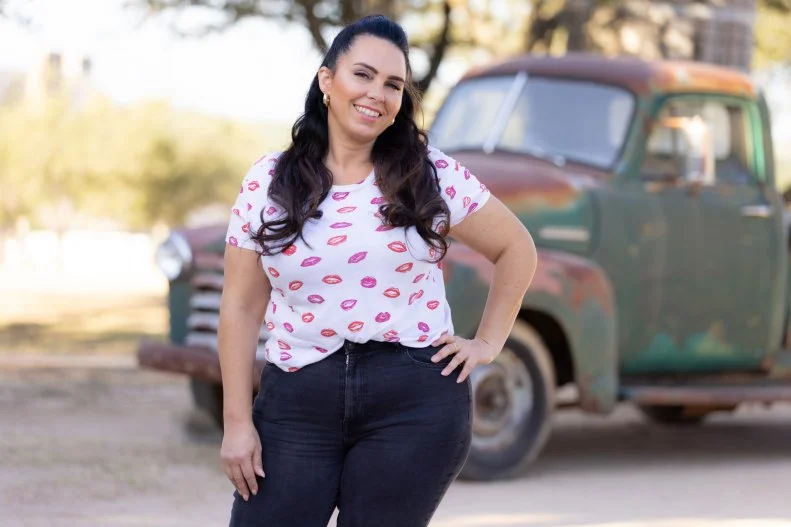
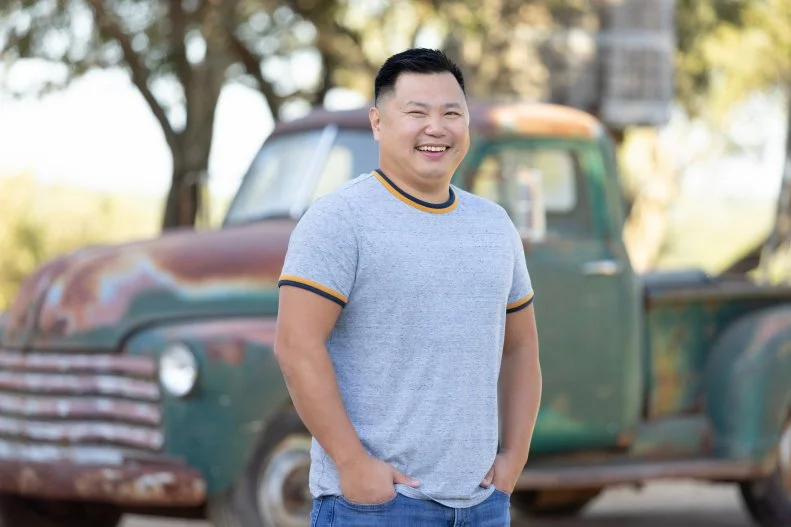
Beyond technique and innovation, the show continues to emphasize personal storytelling. From Dakari Akorede’s journey of rebuilding after devastating loss to Chris Farella’s focus on family legacy, these narratives add emotional depth and reinforce the stakes of the competition. In a format where elimination is constant, these human elements help ground the intensity of the culinary battle.
Ultimately, Season 7 of BBQ Brawl is shaping up to be a three-way clash between tradition, innovation, and identity. There is no longer a single “safe” strategy. Playing it too conservatively risks being overshadowed, while taking bold risks without control can lead to early elimination.
In this unpredictable environment, the eventual winner will need more than just strong cooking skills. They must demonstrate versatility, strategic awareness, and a clear culinary voice. If the early structure is any indication, this season may not only redefine the competition—but also what it means to be crowned the next “Master of ’Cue.”