The competition on America’s Culinary Cup has officially entered its most intense phase. After the shocking elimination of Katie Button in episode 9, the field has been narrowed down to just four elite chefs: Buddha Lo, Matt Peters, Chris Morgan, and Cara Stadler. With only one episode standing between them and the grand finale, episode 10 delivered a semifinal that was as brutal as it was refined.

This was not a challenge about creativity alone. Instead, the focus shifted toward one of the hardest skills to master in professional cooking: balance. At this level of competition, “tasty” is no longer enough. The chefs were required to demonstrate an advanced understanding of flavor structure—where acidity, sweetness, saltiness, bitterness, and texture must work in perfect harmony. One element too strong or too weak, and the entire dish could collapse.
What made this semifinal especially unforgiving was the format. There was no safety net, no room for recovery, and no second chances. Every plate served was directly tied to a finalist spot. With only three tickets to the finale available, one chef would inevitably fall short, regardless of how strong their overall journey had been.
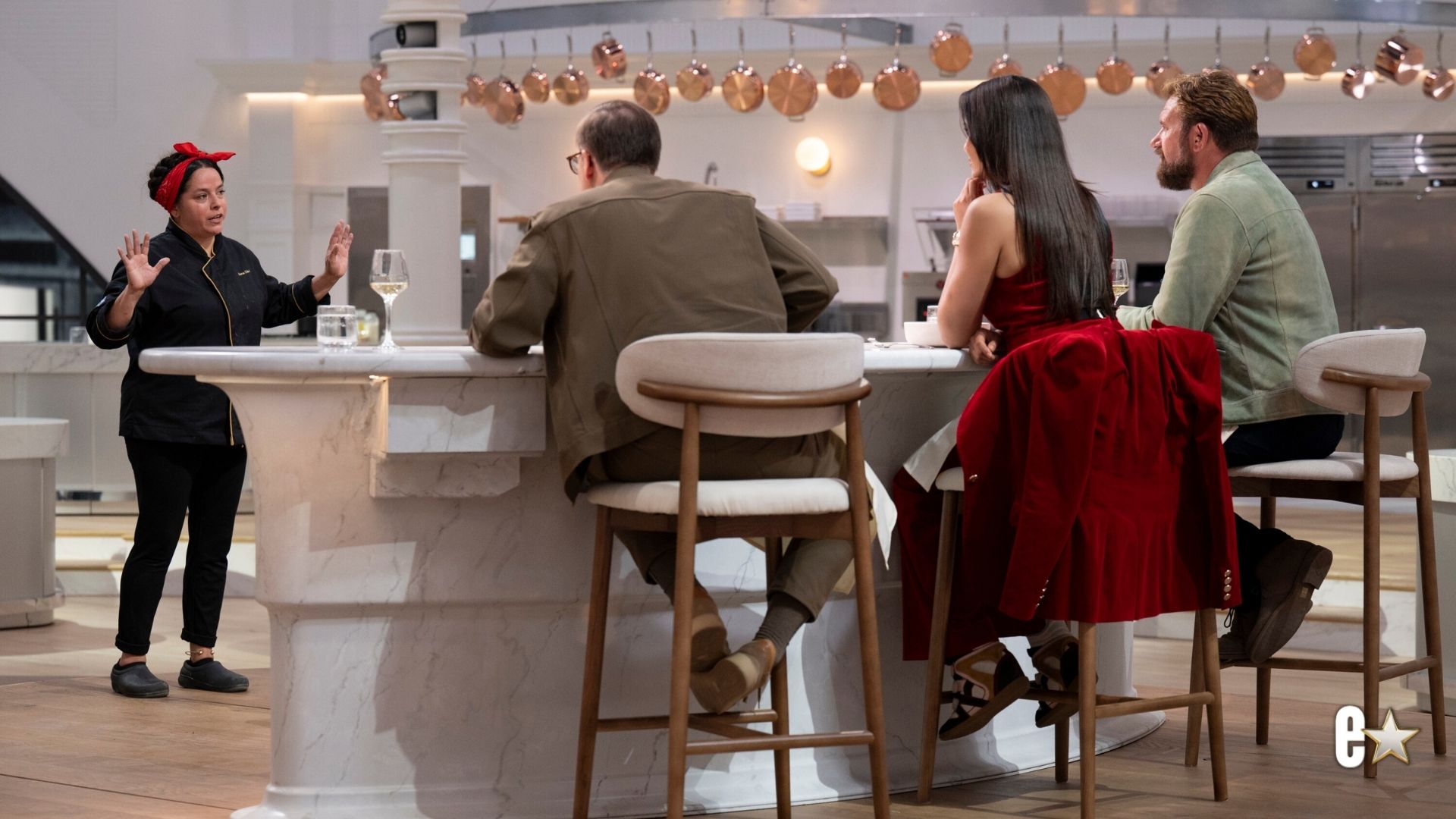
The challenge itself was widely considered the most fine-dining–focused test of the season. Precision became the defining factor. It wasn’t just about bold ideas or impressive plating—it was about control. Chefs had to show restraint, knowing exactly how far to push a flavor without overpowering the dish. This level of discipline is what separates great chefs from truly elite ones.
For someone like Buddha Lo, whose style is built on technical precision and attention to detail, this type of challenge played directly into his strengths. His dishes often reflect a deep understanding of structure, making him a natural fit for a test centered on balance. Every component on his plate tends to feel intentional, which is exactly what the judges were looking for.

Matt Peters, however, brought a different kind of pressure into the semifinal. As a highly experienced competitor, expectations around him were extremely high. His biggest challenge wasn’t just execution—it was proving that he could still dominate in a field this competitive. In a round where even small mistakes are amplified, maintaining consistency becomes everything.
Chris Morgan faced perhaps the most difficult adjustment. Known for bold, expressive flavors, he had to dial back and refine his approach. The question was whether he could translate his intensity into something more controlled without losing his identity as a chef. Meanwhile, Cara Stadler’s more subtle and thoughtful style seemed well-suited for this challenge—but subtlety always comes with risk. If the dish is too restrained, it can fail to stand out.

As the judging unfolded, it became clear just how high the standards were. Dishes were evaluated not only for taste but for how well each element interacted. The smallest imbalance could be the difference between advancing and going home. This created an atmosphere of extreme tension, where every bite mattered.
Ultimately, episode 10 wasn’t just a semifinal—it was a filter for excellence. It forced the chefs to operate at their absolute peak, both technically and mentally. With the finale now within reach, the message is clear: only those who can achieve perfect balance under pressure will have a chance at claiming the title of America’s Culinary Cup champion.