If Dave Patera’s controversial Red Card decision was the biggest strategic talking point of the latest MasterChef Season 16 episode, then Peter Egede may have become its most unexpected victim.

What makes Peter’s situation so unusual is that he didn’t land in the bottom because of a disastrous cook.
In fact, many viewers felt he performed reasonably well throughout the challenge.
His steak received positive feedback, and the judges also praised elements of his plantain preparation. Under normal circumstances, those comments would have suggested a safe finish, or at the very least a performance comfortably above the elimination line.
Yet Peter still found himself standing among the bottom dishes.
The reason, according to many fans, had less to do with cooking and more to do with the strategic ripple effects created by Dave’s Red Card.
Earlier in the challenge, Dave Patera used his powerful advantage to save Rita Igbinoba, who appeared to be in serious danger after falling significantly behind during the cook.
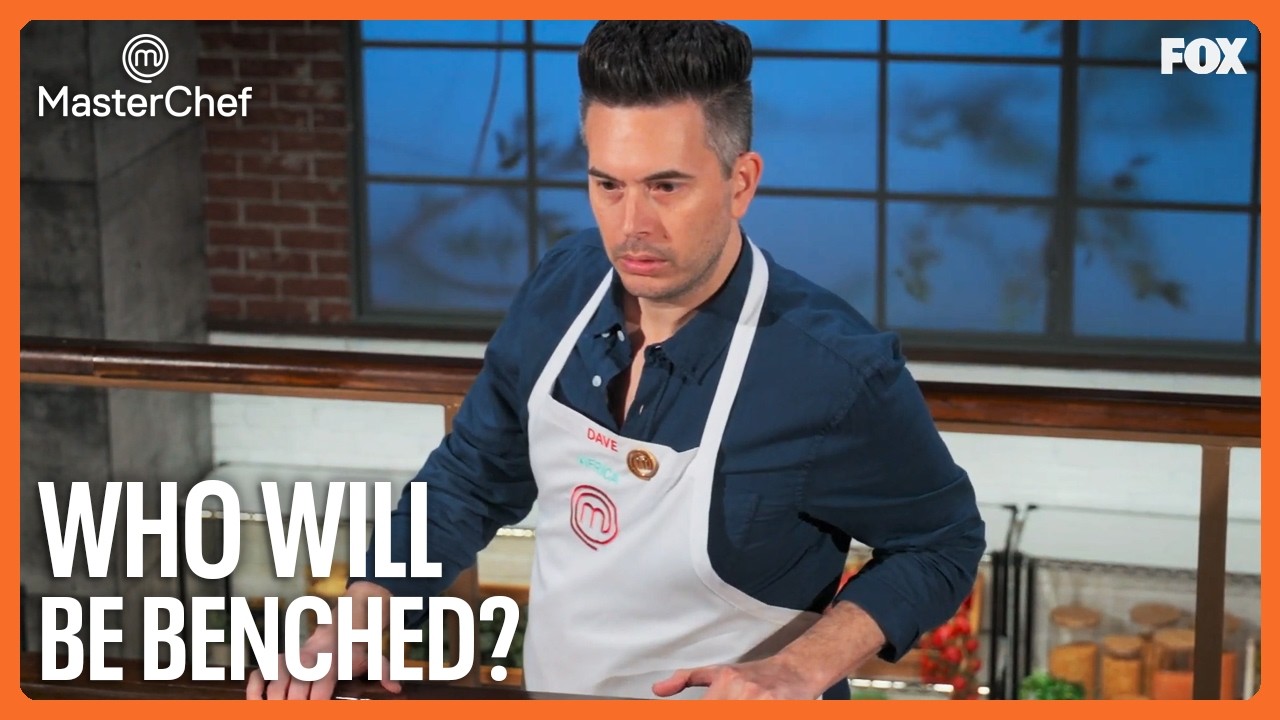
The move guaranteed Rita’s safety and removed her from consideration entirely.
While many viewers initially praised Dave for helping a teammate, others quickly realized the hidden consequence.
By pulling Rita out of the challenge, Team Africa’s entire performance suddenly rested on just two contestants: Peter and Heidi.
That dramatically increased the scrutiny on both dishes.

Instead of three opportunities for Team Africa to impress the judges, there were now only two. Every mistake became more noticeable, and every evaluation carried greater weight.
As a result, Peter found himself in a far more vulnerable position than he otherwise might have been.
Many fans described him as a “strategic casualty” of the Red Card.
The argument isn’t that Dave intentionally put Peter in danger. Rather, the structure of the twist created a situation where saving one teammate inevitably increased pressure on the others.
Social media discussions reflected that sentiment.
Some viewers argued that Peter’s placement in the bottom felt harsh given the actual quality of his food. Others pointed out that the judges never suggested his steak was poorly cooked, making his appearance among the weakest dishes of the night particularly surprising.
For those critics, Peter’s experience highlighted the biggest concern surrounding the Red Card twist: a contestant’s fate can suddenly become tied to game mechanics rather than cooking performance alone.
Supporters of the twist pushed back, arguing that every competition needs consequences. In their view, Dave understood the risks when he chose to save Rita, and Peter simply found himself caught in the strategic fallout of that decision.
Regardless of where fans stand, there is broad agreement on one point:
Peter’s food ultimately saved him.
Despite ending up in the bottom group, his dish was strong enough to survive the judges’ final evaluation. The quality of his steak and plantain gave him just enough breathing room to avoid elimination and continue in the competition.
That outcome has led many viewers to wonder what might have happened if his dish had been only slightly weaker.
Would he have gone home despite producing a respectable plate? Would fans have viewed the Red Card even more negatively?
Those questions are likely to linger as Season 16 continues.
What is certain is that Peter’s experience demonstrated the true power of the Red Card. Dave’s decision didn’t just save Rita—it reshaped the entire competitive landscape for Team Africa.
And while Rita walked away protected, Peter spent the rest of the episode proving that sometimes a contestant can do almost everything right and still find themselves fighting for survival because of a twist they didn’t control.