Long before gourmet pizza stones and high-end home ovens became widely accessible, Julia Child was already teaching home cooks how to recreate restaurant-quality results using simple, practical solutions. Best known for introducing French cuisine to American audiences through her iconic show The French Chef, Child’s culinary curiosity extended far beyond French dishes—including her inventive approach to making the perfect pizza at home.
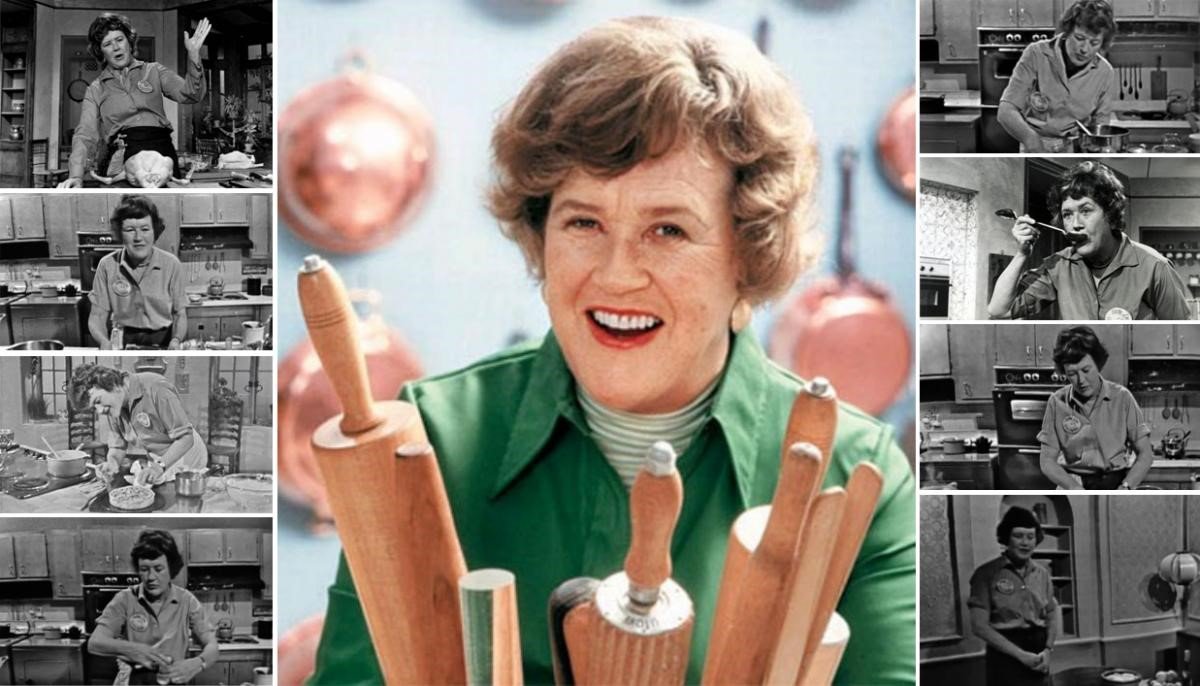
While pizza might not be the first dish associated with Julia Child, her method reflects exactly what made her such a beloved figure: an ability to demystify cooking while encouraging creativity and confidence in the kitchen. Instead of relying on expensive or specialized tools, she turned to an unlikely source—the local hardware store.
At first glance, buying bricks or tiles alongside kitchen ingredients might seem unconventional. But Child’s reasoning was rooted in a deep understanding of traditional cooking techniques. In authentic pizzerias, pizzas are baked directly on the hot brick or stone floors of wood-fired ovens. These surfaces retain and distribute heat evenly, creating the crisp, golden crust that defines a great pizza.
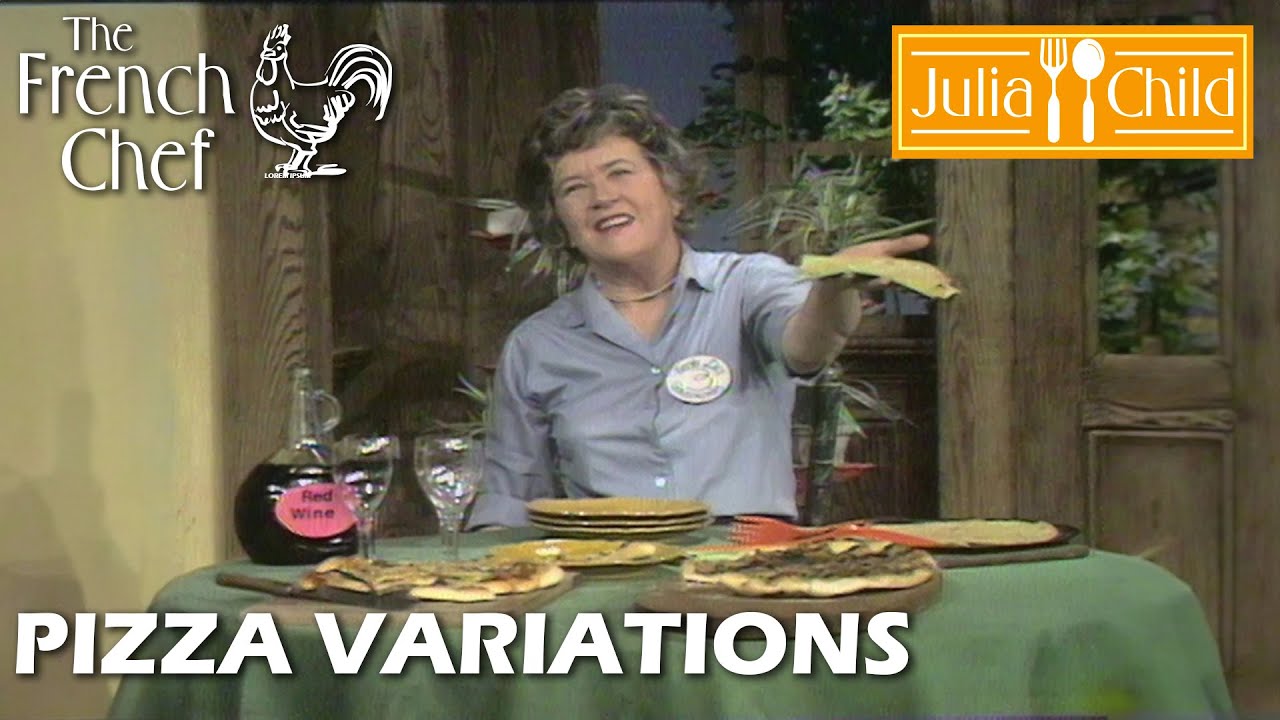
Recognizing that most home ovens lack this feature, Child devised a workaround that was both accessible and effective. Her solution was to line an oven rack completely with fire bricks or quarry tiles—materials that can withstand high temperatures and mimic the heat retention of professional pizza ovens. Once arranged, the rack is placed inside the oven and preheated at the highest possible temperature for 45 minutes to an hour.
This step is crucial. By allowing the bricks or tiles to absorb and store intense heat, the oven essentially transforms into a makeshift stone oven. When the pizza dough is placed on the hot surface, it begins cooking immediately from the bottom up, resulting in a crispier crust and more even bake—something that standard metal baking trays often fail to achieve.
But Child didn’t stop there. Understanding that handling pizza in such high heat requires the right tools, she offered another clever hack. Instead of purchasing a traditional pizza peel—the flat, paddle-like tool used by professional bakers—she suggested using a simple piece of wood or even a shingle from the hardware store. With a light dusting of flour or cornmeal, this improvised peel allows home cooks to easily slide the pizza onto the hot bricks and retrieve it once it’s done.
What makes this method particularly remarkable is how it captures the spirit of Julia Child’s philosophy: cooking should be approachable, resourceful, and fun. Rather than presenting pizza-making as something that requires expensive equipment, she showed that great results could come from understanding technique and using everyday materials creatively.
Her approach also reflects a broader shift she championed throughout her career—empowering home cooks to experiment beyond rigid culinary boundaries. Whether it was mastering French sauces or baking a perfect pizza, Child believed that confidence in the kitchen came from trying, adapting, and not being afraid to get a little unconventional.
Today, while pizza stones and steel baking surfaces are widely available, Julia Child’s brick-and-wood method remains a testament to her ingenuity. It’s a reminder that great cooking isn’t just about tools—it’s about understanding how heat, texture, and technique come together to create something delicious.
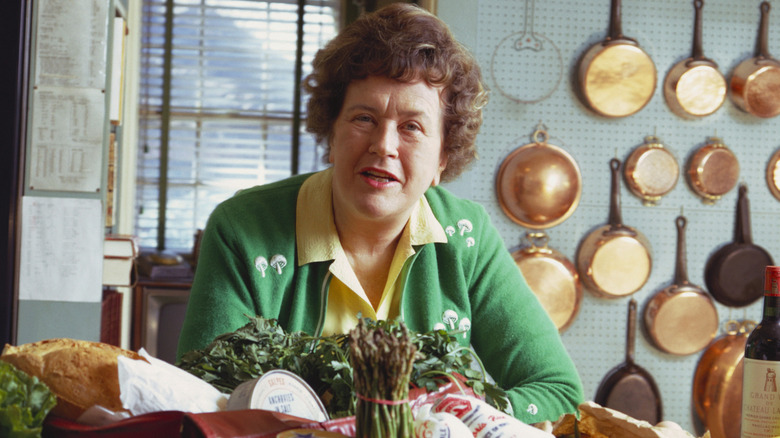
And perhaps most importantly, it’s proof that sometimes, the secret to better cooking might just be hiding in the most unexpected places—even in the aisles of a hardware store.