For most of MasterChef Season 16, the spotlight has remained firmly on cooking. But Episode 4 delivered something very different: a strategic twist that has fans arguing about gameplay, alliances, and risk management rather than steaks and seasonings.
At the center of the controversy is Dave Patera, whose use of a powerful new advantage may have altered the trajectory of the competition.
Following his team’s victory in the previous challenge, Dave was awarded a special game-changing power known as the Red Card. Unlike traditional advantages that provide extra cooking time or ingredient choices, this twist gave Dave the ability to intervene during a challenge and remove a contestant from danger entirely.
The rules were simple but incredibly powerful.
At any point during the cook, Dave could select one contestant to leave the challenge. That person would immediately become safe and could not be eliminated.
What initially sounded like a reward quickly revealed itself to be one of the most dangerous strategic tools introduced this season.
The defining moment came around the halfway point of the challenge.
As the clock continued ticking down, Rita Igbinoba appeared to be in serious trouble. Viewers noticed that she had yet to place her steak on the grill, putting her significantly behind the other competitors.

In a steak challenge where timing is everything, falling behind can be catastrophic.
Many fans assumed Rita was heading toward the bottom of the rankings and potentially elimination.
Seeing the danger, Dave made his move.
He activated the Red Card and selected Rita.
Just like that, she was removed from the challenge and guaranteed safety.
On the surface, it looked like a selfless act of teamwork. Dave had protected a struggling teammate from what appeared to be a likely elimination.
But the twist came with consequences that immediately changed the strategic landscape.
By saving Rita, Team Africa’s fate suddenly rested entirely on the shoulders of its remaining representatives, Heidi and Peter.

With Rita out of the cook, only Heidi and Peter could represent the region in both the top and bottom evaluations.

That meant Dave’s decision didn’t simply rescue one teammate—it concentrated all the pressure onto two others.
The move instantly became one of the most discussed moments of the season.
Online discussions quickly split into two camps.
Supporters argued that Dave made the only logical decision available. From their perspective, Rita was clearly struggling and faced a strong possibility of landing in the bottom. If the Red Card existed to save a teammate from elimination, then using it on the contestant in the most danger was exactly how it should be used.
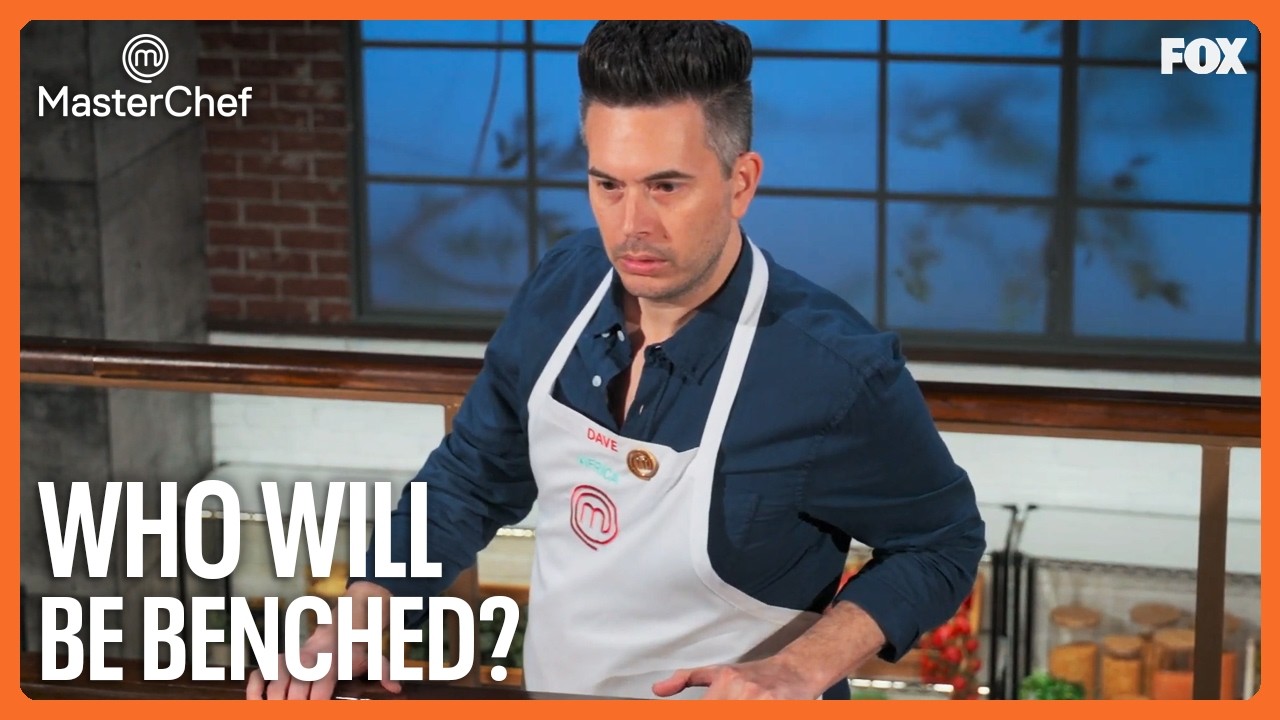
These fans viewed the move as smart leadership and effective team play.
Critics saw something entirely different.
They argued that Dave’s choice created enormous pressure for Heidi and Peter. By removing Rita from consideration, he effectively narrowed Team Africa’s margin for error. If either remaining cook delivered a weak performance, the consequences for the team could be severe.
Some viewers even suggested that the decision was overly calculated, prioritizing survival odds over broader team balance.
The debate highlights an increasingly important question about Season 16: Is MasterChef still primarily a cooking competition, or is it becoming a strategic reality show as well?
Until now, most fan arguments have focused on technique, creativity, and execution. The Red Card twist shifted the conversation toward alliance-building, risk assessment, and game theory.
That evolution has drawn comparisons to competition shows like Survivor, where strategic decisions often matter just as much as challenge performance.
Whether Dave’s decision ultimately helps or hurts Team Africa remains to be seen. What is already clear, however, is that the Red Card has introduced a completely new layer to the competition.
For the first time this season, viewers aren’t just debating who cooked the best dish.
They’re debating who played the best game.
And if Episode 4 is any indication, those two things may not always be the same.