The long-running culinary competition Top Chef is no stranger to high-pressure drama, but its latest season has sparked a different kind of heat — one centered not in the kitchen, but in the rulebook.
At the heart of the controversy is a sudden shift involving Last Chance Kitchen, the show’s long-standing redemption format that allows eliminated chefs a shot at returning to the competition. For years, this twist has been a fan favorite, offering dramatic comebacks and giving talented contestants a second chance after a single misstep.

But this season, that safety net appears to have disappeared — and not everyone is happy about it.
Earlier in the competition, chefs who were eliminated still had hope. Through Last Chance Kitchen, they could fight their way back, often leading to some of the most memorable moments in the show’s history. It created a sense that no one was ever truly out of the game until the very end.
That changed abruptly after the pivotal Restaurant Wars episode.
From that point forward, eliminated chefs were sent home immediately, with no opportunity to return. The door that once allowed redemption was suddenly closed — without clear warning or explanation within the show itself. For viewers who had come to expect consistency in the format, the shift felt jarring.
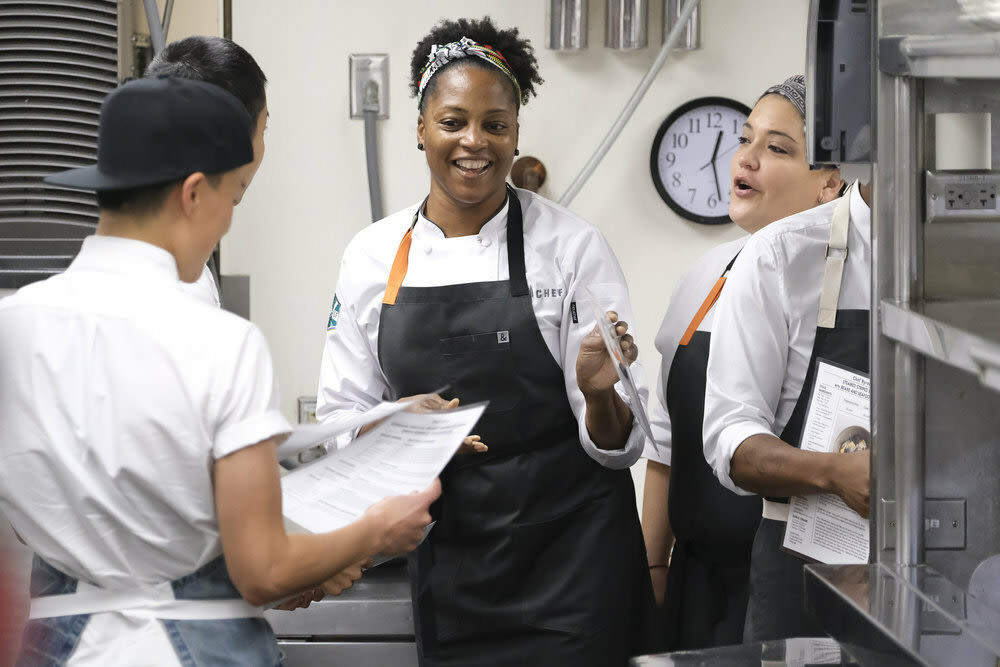
The reaction online was swift.
Many fans voiced frustration, arguing that the rule change undermines the fairness of the competition. At this stage, where the remaining chefs are highly skilled and the margin for error is razor-thin, even a small mistake can lead to elimination. Without Last Chance Kitchen as a fallback, that mistake becomes final — regardless of a chef’s overall performance throughout the season.
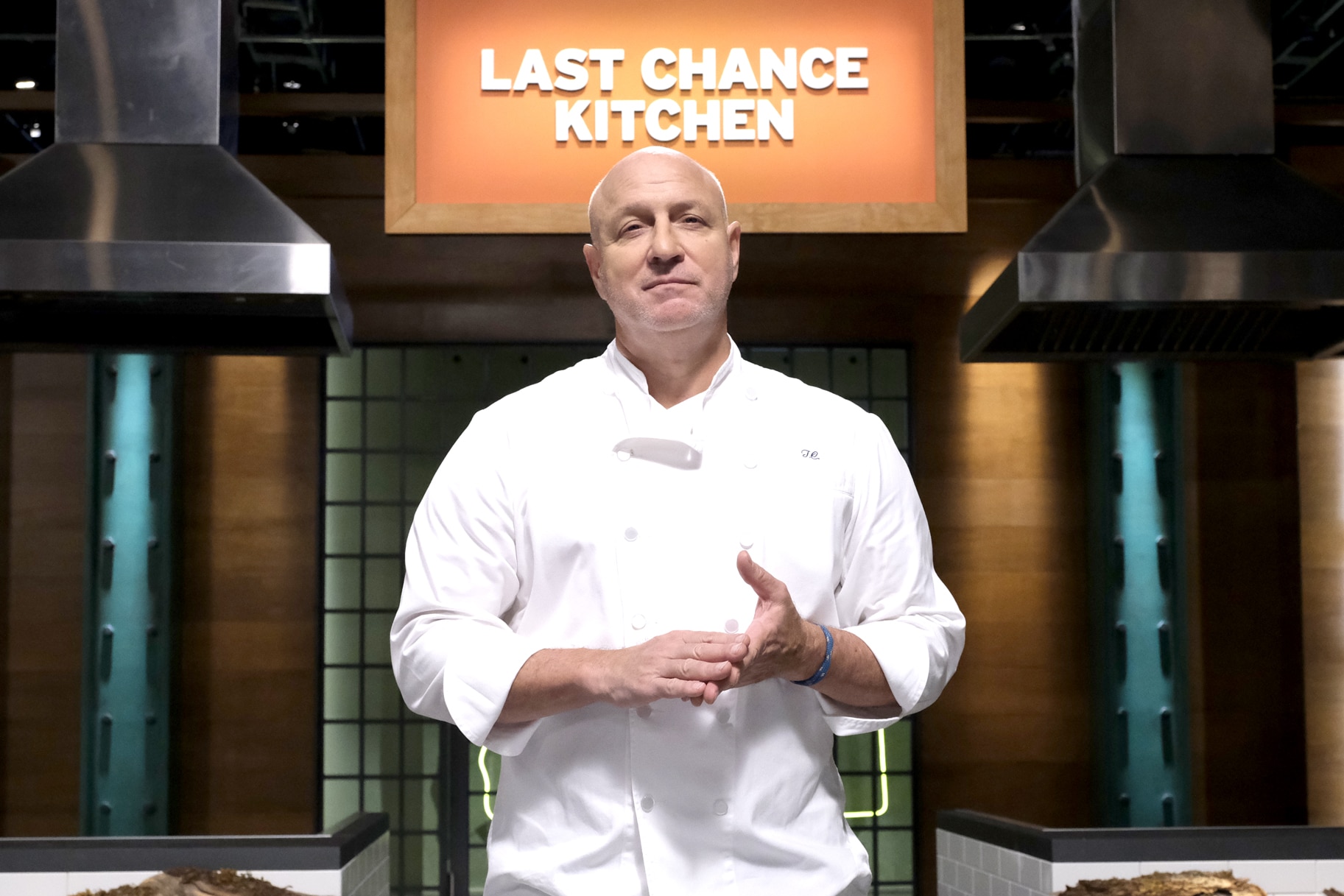
Critics argue that this creates an uneven playing field.
Chefs eliminated earlier in the season had access to a second chance, while those eliminated later — arguably under more intense pressure — do not. This inconsistency has led some viewers to question whether the competition is truly balanced from start to finish.
The frustration is amplified by the nature of Top Chef itself. The show prides itself on judging culinary excellence across multiple challenges, rewarding growth, adaptability, and creativity. But when a single off day can abruptly end a contestant’s journey, fans wonder whether the format still reflects those values.
At the same time, others defend the decision.
Supporters of the change argue that raising the stakes late in the competition is intentional. By removing the possibility of a comeback, the show forces chefs to perform at their absolute best when it matters most. In this view, the pressure is part of the test — and only the most consistent competitors deserve to advance.

Still, even among those who understand the reasoning, questions remain about transparency.
Why wasn’t the shift more clearly communicated? Should all contestants operate under the same rules from beginning to end? And does the absence of Last Chance Kitchen diminish the dramatic tension it once provided?
As the season continues, the debate shows no signs of slowing down. What was once considered one of the show’s most exciting features has now become a focal point of criticism — a twist that may have unintentionally divided its audience.
In a competition where precision and fairness are everything, even the rules themselves are now under scrutiny.
And for many viewers, the biggest question isn’t who will win — but whether the game is being played on equal terms.