Charles Bronson, often referred to as Britain’s most notorious criminal, is now facing what could be his final opportunity for freedom after more than fifty years of imprisonment, most of which has been spent in solitary confinement. The 73-year-old’s case is currently under review by the Parole Board, which is tasked with determining whether he should be reintegrated into society after decades behind bars. The decision, which will be made based on a thorough review of Bronson’s history and current circumstances, is expected to be historic as it could mark the end of his 52 years of imprisonment, one of the longest prison sentences in UK history.

Bronson’s criminal journey began in 1974 when he was convicted of armed robbery, a crime that initially led to his incarceration. However, his time in prison was marked by a series of violent outbursts, including assaults on both fellow inmates and prison officers. These incidents led to numerous extended sentences, and Bronson’s violent tendencies kept him locked away for much longer than his original sentence. As a result, he became notorious not only for his criminal past but also for his unruly behavior while in custody.
In 1999, Bronson became infamous when he took a prison art teacher hostage, an act that led to his life sentence, with a minimum term of three years. Despite being granted opportunities for release, his repeated violent actions, such as a 2014 assault on a prison governor, kept him behind bars. Much of his time has been spent in solitary confinement due to the serious security concerns raised by his behavior. Despite these circumstances, Charles Bronson has become one of the UK’s longest-serving prisoners.
Now, after more than five decades of imprisonment, Bronson faces a new chance at release. This marks his ninth attempt to secure parole, but unlike previous hearings, this review will be conducted as a paper-based assessment. There will be no public hearing, and the Parole Board will only review written reports from his legal team, prison officers, probation staff, and psychiatrists. The key question at the heart of this review is whether Bronson still poses a threat to society and whether any risks could be managed through strict conditions upon his release.
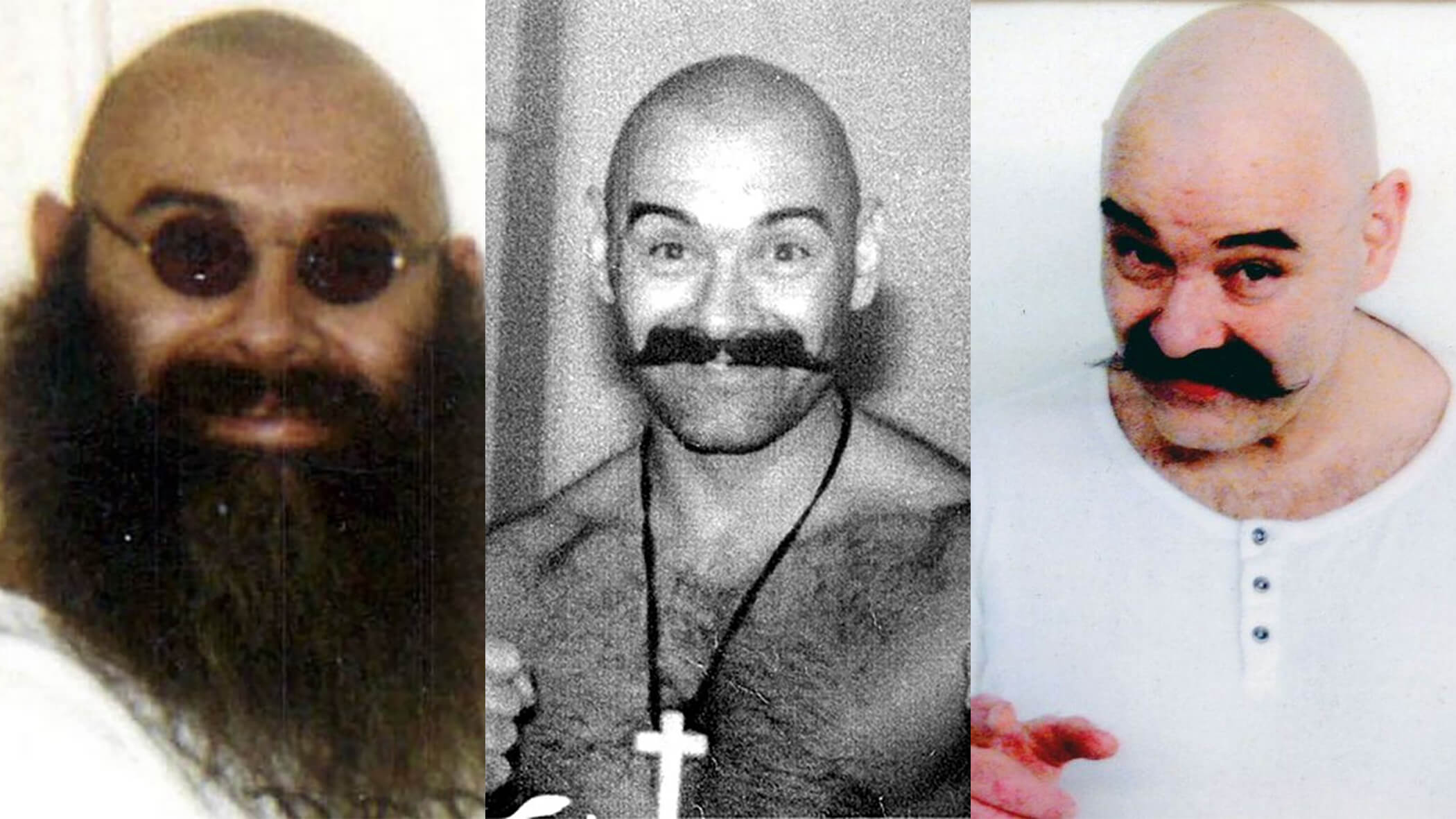
Notably, just weeks before the review, Bronson dismissed his legal team, calling the parole process a “farcical jam roll” in a strongly worded letter. He also questioned what authorities were afraid of, suggesting that the truth might be revealed. Despite this disruption, a new solicitor has since taken over his case, helping to move the process forward.
The Parole Board’s decision will be influenced by various factors, including Bronson’s long history of violence and the support mechanisms that could be put in place should he be released. Psychiatrist Bob Johnson, who treated Bronson decades ago, has suggested that much of Bronson’s violent behavior has been shaped by the institutional environment in which he has spent most of his life. He believes that with the proper support from friends and a structured routine, Bronson could adjust to life outside of prison. Johnson also notes that Bronson’s artwork, which has garnered some attention during his incarceration, could provide a potential source of income for him if he is granted release.
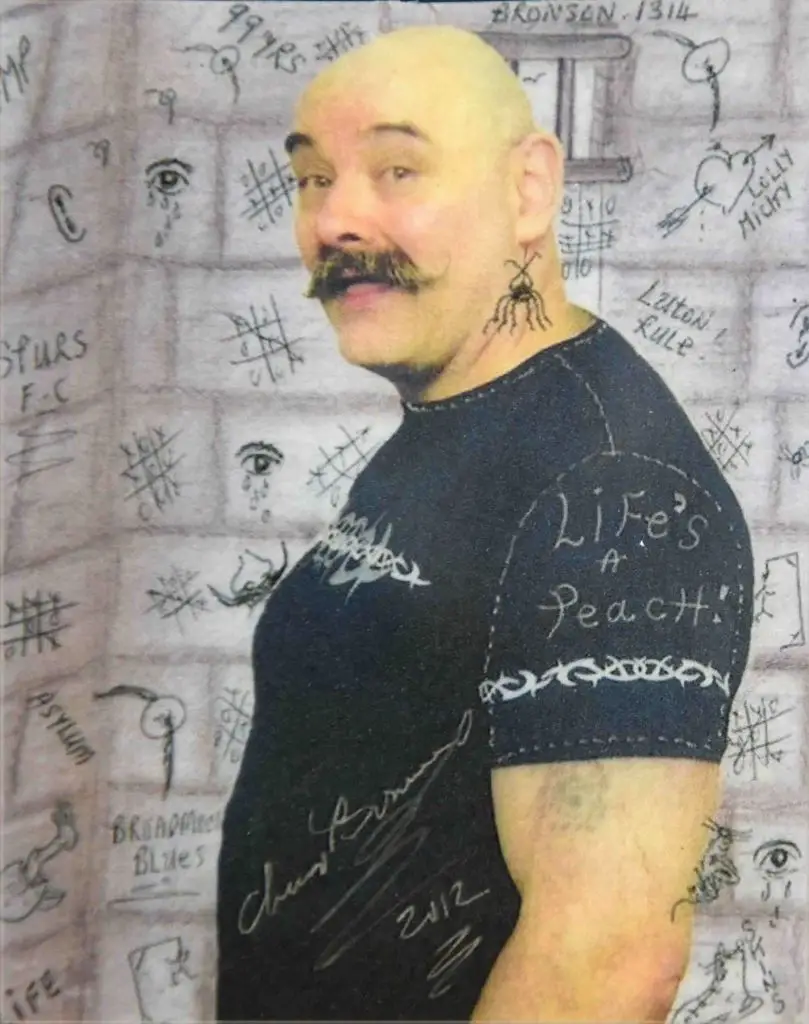
However, not everyone agrees that Bronson should be freed. Critics argue that his lengthy history of violence and his tendency to act impulsively make him a dangerous individual who should not be trusted back into society. They contend that even with strict conditions, the risks of releasing someone with such a volatile past are too high. As a result, Bronson’s case continues to divide public opinion in the UK.
If the Parole Board decides to approve Bronson’s release, he would be subject to strict conditions, including supervision and movement restrictions. Any breach of these conditions could result in his immediate recall to prison. On the other hand, if the Parole Board rejects his application, he will remain behind bars and may have to apply again at a later date.
The question of whether Charles Bronson will finally be freed or continue to serve his sentence remains unanswered. The Parole Board’s decision is expected to be highly significant, not just for Bronson but for the broader debate on criminal rehabilitation and the role of the parole system in determining when a prisoner has truly paid their debt to society. As the decision looms, all eyes are on the newly released evidence and whether it will be enough to sway the Parole Board’s final judgment. Whether or not Charles Bronson will be granted his freedom after more than fifty years in prison remains to be seen, but it is clear that his case will continue to spark debate and controversy for years to come.