In traditional culinary competitions, reputation and personal style often act as a powerful shield for established chefs. Their names carry weight, their signature techniques earn respect, and their presence alone can influence perception. However, with the introduction of Blind Judging in the latest season of 24 in 24: Last Chef Standing, those protective layers have been completely stripped away. This rule change is not merely a tweak in format; it represents a fundamental shift toward fairness, forcing every contestant to confront the most honest and unforgiving standard of all: the taste of their food.
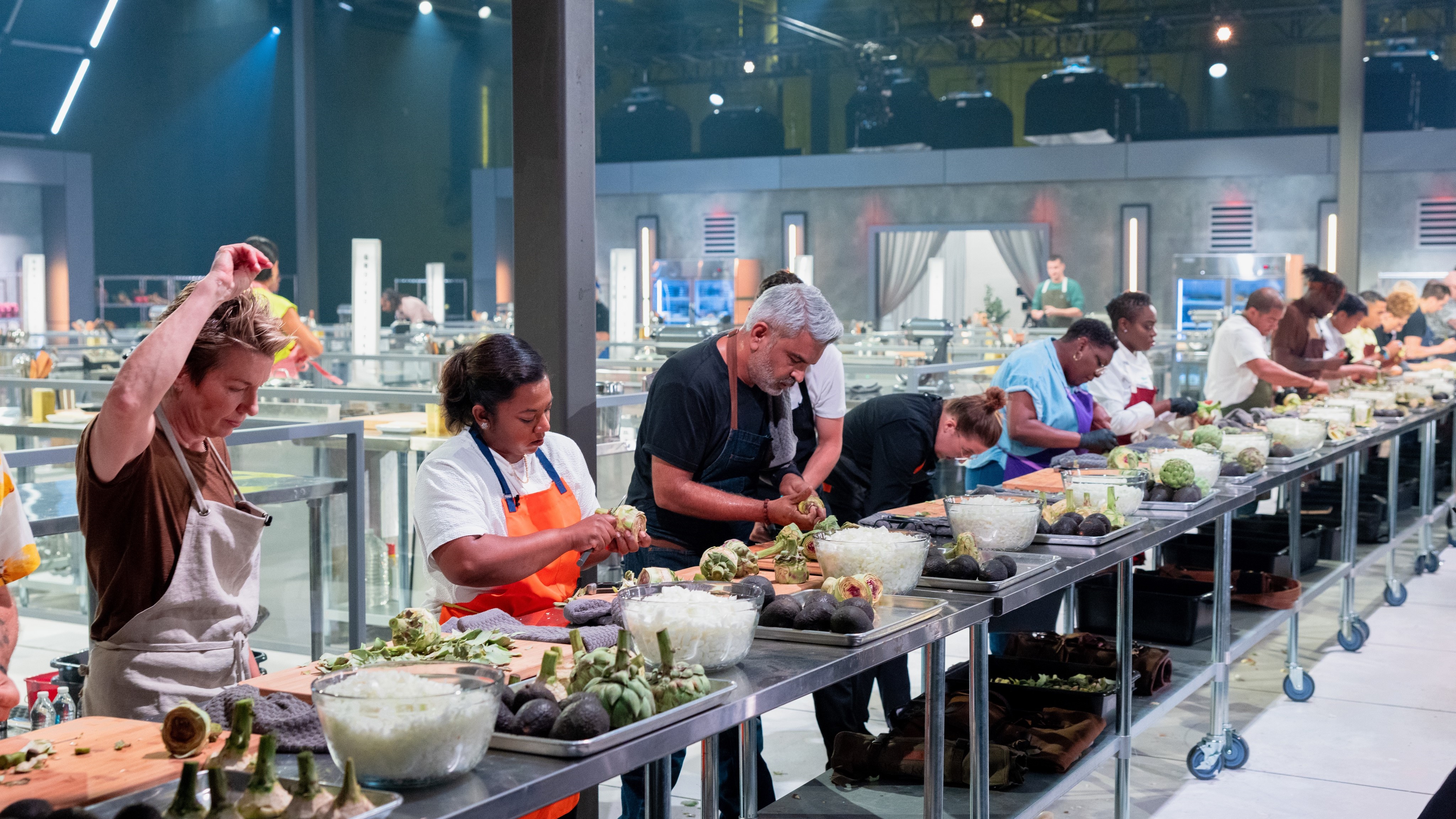
At its core, Blind Judging is built on total separation between the chef and the judge. The individuals responsible for evaluating the dishes are placed in isolation, removed from the kitchen environment and deprived of any visual or emotional context. They do not witness the cooking process, the pressure of the clock, or the physical and mental exhaustion that contestants endure. They cannot see the precision of knife work, the complexity of techniques, or the intensity of effort behind each plate. Instead, they are presented with only two elements: the dish itself and a brief written description. This deliberate absence of external influence creates what can be considered a near-perfect filter of objectivity. In such a setting, even a world-renowned chef with an impressive résumé can be outperformed by a lesser-known competitor if their dish lacks balance, depth, or technical execution.
This transformation has profound implications for how the competition unfolds. Without the ability to rely on charisma, storytelling, or personal connection to sway the judges, chefs must channel every ounce of their focus into the food alone. The plate becomes their only voice. Every component must be intentional, every seasoning precise, and every texture carefully considered. There is no room for distraction or superficial appeal. Flavor, harmony, and execution become the sole criteria for survival.
The psychological impact of this shift is immense. Contestants are placed under an entirely new kind of pressure—one that is both isolating and relentless. In previous formats, chefs could lean on their personality or narrative to create a memorable impression. A compelling backstory or confident presentation might help elevate a dish in the eyes of the judges. Under Blind Judging, however, these advantages disappear completely. The chefs are, in essence, invisible. Their identities, achievements, and reputations hold no value in the judging room. This forces them to confront a stark reality: their work must stand on its own, without any external reinforcement.

As a result, the competition demands an even higher level of precision and discipline. Chefs must think strategically about every decision they make. Ingredients must not only complement each other but also contribute to a cohesive and impactful overall experience. Even the smallest miscalculation—a slightly overcooked protein, an imbalanced sauce, or an overly aggressive seasoning—can become the deciding factor between success and elimination. There is no safety net.
Interestingly, the written description that accompanies each dish takes on a subtle yet significant role. While it cannot reveal the identity of the chef, it serves as the only form of communication between the creator and the judge. This requires contestants to craft descriptions that are concise but evocative, informative yet intriguing. The goal is to guide the judge’s expectations without influencing them unfairly. It is a delicate balance: say too little, and the dish may be misunderstood; say too much, and it risks overshadowing the food itself. Ultimately, however, no description can compensate for a dish that fails to deliver on flavor.
Another important consequence of Blind Judging is the elimination of perceived bias. In many competitive cooking shows, audiences have often questioned whether certain contestants receive preferential treatment due to their reputation or personality. By removing all identifying factors, this format directly addresses those concerns. It reinforces the idea that success must be earned purely through culinary merit. For viewers, this adds a new layer of authenticity and credibility to the competition. For contestants, it raises the stakes to an entirely new level.
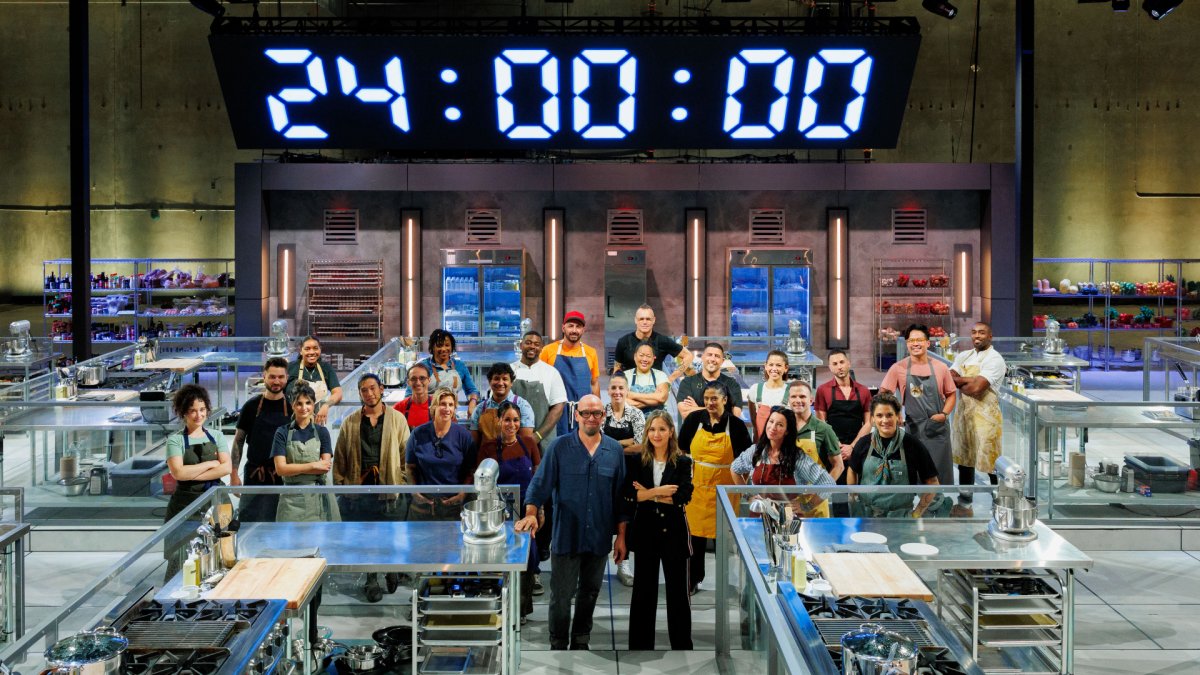
Moreover, this system challenges chefs to redefine how they express themselves through food. Without the ability to explain their intentions verbally or showcase their personality in person, they must rely entirely on the sensory experience they create. The dish must tell a story through taste, aroma, and texture alone. It must communicate creativity, technique, and emotion without a single spoken word. This pushes contestants to explore deeper levels of craftsmanship and self-awareness, as they learn to translate their vision into something that can be understood purely through the palate.
In the end, the introduction of Blind Judging has transformed the competition into a more intense and uncompromising arena. It strips away ego, reputation, and external influence, leaving behind only the essence of cooking itself. The focus returns to what truly matters: the ability to create food that resonates on a sensory level. It is no longer about who the chefs are, but what they can produce under pressure.
This evolution ultimately redefines what it means to be the last chef standing. Victory is no longer tied to fame or personality, but to consistency, precision, and the ability to connect with others through flavor alone. In this environment, the true champion is the one who can command attention without being seen, who can leave a lasting impression without revealing their identity, and who can prove their mastery through the most honest medium available: the food on the plate.