The trial of Lindsay Clancy, the Massachusetts mother who killed her three young children in January 2023 while suffering from postpartum depression and medication-induced psychosis, ended in a mistrial after jurors failed to reach a unanimous verdict. Now, one of the male jurors who served on the case has broken his silence, offering new details about what happened behind closed doors during more than 37 hours of deliberations.
Nick Dargie, 25, was one of the three men on the 12-person jury that considered whether Clancy was guilty of murder or manslaughter in the deaths of her children, Cora, five, Dawson, three, and eight-month-old Callan.
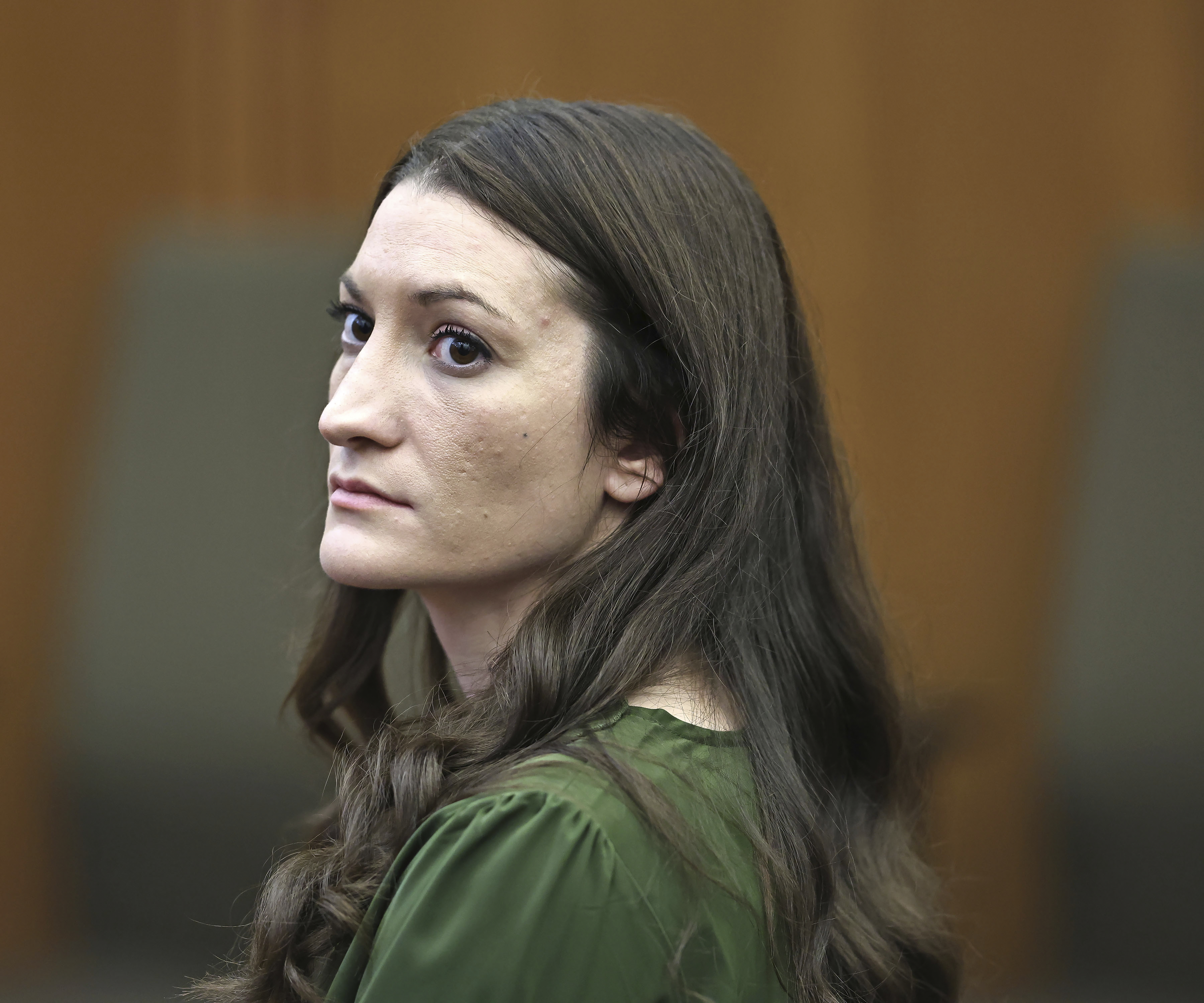
According to Dargie, 11 jurors ultimately reached the conclusion that Clancy should be found not guilty of murder or manslaughter. One unidentified juror, however, refused to join them. That lone holdout prevented the jury from reaching the unanimous verdict required to resolve the case and ultimately led Judge William Sullivan to declare a mistrial.
Dargie has now described his efforts to understand and challenge the holdout’s position. He claimed that the juror did not provide the rest of the panel with evidence or witness testimony that supported his decision to continue voting against acquittal.
“There were several times I would ask him to show us evidence or, you know, describe a witness testimony that helped to prove what he was saying and… he couldn’t,” Dargie told ABC News.
He went on to say that the juror did not point to a single piece of evidence or witness testimony that explained why he believed the way he did. For Dargie, that became a central problem during the lengthy deliberations.
“There wasn’t a single piece of evidence or witness testimony that he used to prove why he was thinking the way he was, which is why we ultimately sent in that note,” Dargie said.
The note was submitted to Judge Sullivan by the jury foreperson before the judge eventually declared a mistrial.
Dargie emphasized that he understood the justice system allows jurors to reach different conclusions. In his view, simply having an opposing opinion was not itself a problem. The issue, he said, was that the holdout could not explain his position through evidence or testimony presented during the trial.

“Otherwise, like, there’s nothing wrong with somebody having a completely opposite opinion… that would be a hung jury. That, like that, is our justice system,” Dargie explained.
His comments came just one day after three female jurors spoke to NBC Boston about their experience with the same unidentified holdout. Jury foreperson Roni Carlson previously said that the juror “would not interact with us and try to understand” the views of the other panelists.
Carlson also described a moment when she believed the jury was finally close to completing the necessary paperwork. She said she had reached the conclusion that Clancy had “snapped” after hearing character witnesses describe her as a loving mother.
Carlson recalled that she had begun filling out the forms and was excited because she believed the jury was about to reach its decision. There were three forms to complete, but the holdout still refused to agree to a not-guilty verdict.
“He had reasonable doubt. He admitted he had reasonable doubt,” Carlson claimed.
She said that while she was filling out the forms, the juror told her: “But I’m still not going to say she’s not guilty.”
The disagreement centered on a complicated question of criminal responsibility and Clancy’s mental state at the time of the children’s deaths.
Clancy, 36, had admitted in court that she strangled her children using exercise bands. Her defense argued, however, that she had been overmedicated while experiencing postpartum depression and that the combination of medications prescribed to her caused psychosis.
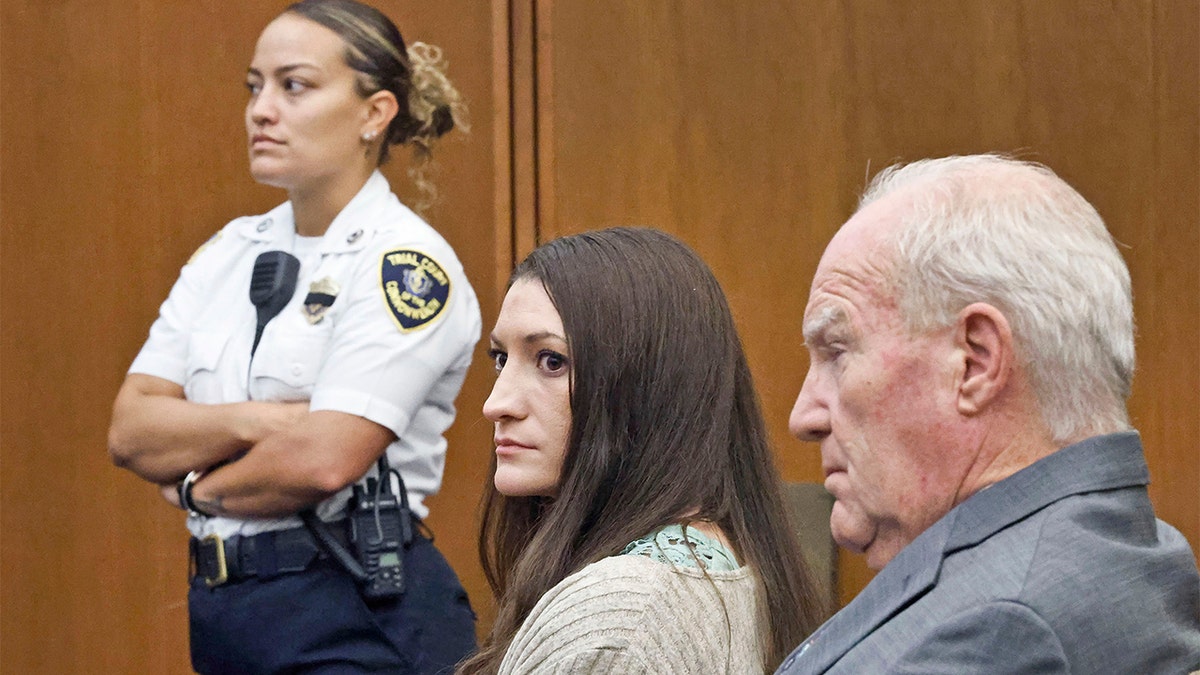
Jurors in Massachusetts are instructed that prosecutors must prove beyond a reasonable doubt that a defendant was not suffering from a mental disease or defect at the time of the alleged offense in order to establish criminal responsibility for the conduct.
After five and a half weeks of testimony, the jury of nine women and three men remained divided because of the single holdout. The 11 other jurors had reached the position that Clancy was not guilty of murder or manslaughter, but the remaining juror would not agree.
The prolonged disagreement continued for more than 37 hours of deliberations.
At one point, defense attorney Kevin Reddington sought an emergency order in an attempt to force the jurors into one final round of deliberations. The motion was unsuccessful.
Judge Sullivan ultimately declared a mistrial at Plymouth Superior Court last Friday afternoon after the jury was unable to reach a unanimous verdict.
The mistrial means the case has not been resolved and Clancy could potentially face a retrial.
The identity of the lone holdout has not been publicly revealed. His decision has nevertheless become a major focus following the mistrial, particularly after multiple jurors described difficulties communicating with him during deliberations.
Dargie’s account provides another perspective on those final hours. He said he repeatedly attempted to get the juror to explain his reasoning by pointing to evidence or testimony from the trial, but claimed the juror was unable to provide such support.
For Dargie, the disagreement was not simply about having a different interpretation of the evidence. It was about the absence of an explanation grounded in the evidence presented in court.
The jury’s inability to overcome that final disagreement ultimately brought the trial to an unresolved conclusion. After weeks of testimony and more than 37 hours of deliberation, the panel could not reach the unanimous verdict necessary to decide whether Lindsay Clancy was criminally responsible for the deaths of her three children.
Now, with Dargie speaking publicly for the first time about the deliberations, more details have emerged about the mystery surrounding the lone juror whose refusal to change his position resulted in the mistrial.