The trial of Lindsay Clancy, the Massachusetts mother accused of killing her three young children in January 2023, remains unresolved after jurors failed to reach a verdict during their first two days of deliberations. The case, which has drawn nationwide attention because of the devastating deaths and the complex questions surrounding postpartum mental health, is now moving into another week as the jury continues weighing whether Clancy is legally responsible for her actions.
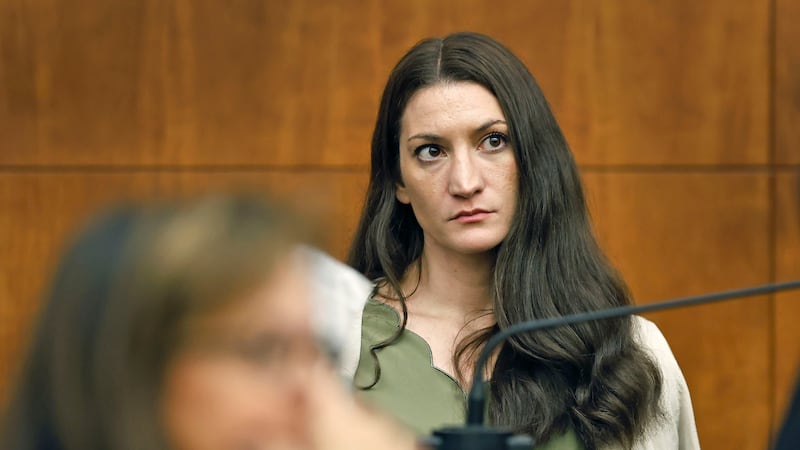
On Friday, August 28, the 12-member jury was dismissed for the weekend after spending two days reviewing the evidence and discussing the possible outcomes. The panel, made up of nine women and three men, must determine whether Clancy is guilty of first-degree murder, second-degree murder, manslaughter, or not guilty by reason of insanity. Judge Sullivan instructed jurors not to discuss the case with anyone while they are away from court, but they were not placed under sequestration. Deliberations are scheduled to resume Monday morning.
Clancy, a former labor and delivery nurse, has admitted to causing the deaths of her children — five-year-old Cora, three-year-old Dawson, and eight-month-old Callan — at the family’s Duxbury, Massachusetts, home on January 24, 2023. However, she has pleaded not guilty, arguing that she was suffering from severe postpartum depression and psychosis after being prescribed numerous psychiatric medications. At the time of the tragedy, she had reportedly been taking a combination of at least 13 different psychiatric drugs.
The central issue in the trial has been whether Clancy acted intentionally and understood the consequences of her actions, as prosecutors claim, or whether she was experiencing a severe mental health crisis that prevented her from being criminally responsible. Prosecutors have argued that the killings were deliberate and planned, while the defense has maintained that Clancy was overwhelmed by postpartum psychosis and was not in control of her behavior.

During the trial, jurors heard deeply disturbing testimony, including details from psychiatrists who evaluated Clancy. Dr. Avram Mack, who examined her for the state, testified that Clancy described hearing a male voice telling her to kill her children and then herself. According to his testimony, Clancy allegedly told each child “Go to God” as she strangled them using exercise bands inside the home. Dr. Mack concluded that she was criminally responsible, a position that strongly supported the prosecution’s argument.
The courtroom also heard the emotional 911 call made by Clancy’s husband, Patrick, after he discovered the horrifying scene at their home. His screams and the words “She killed the kids” became one of the most painful moments of the proceedings, highlighting the unimaginable trauma experienced by the family. The case has continued to divide public opinion, with many people debating the difficult balance between accountability and understanding the impact of severe postpartum mental illness.
If convicted of murder, Clancy could face life in prison without the possibility of parole. However, if the jury finds her not guilty by reason of insanity, she would likely be committed to a state psychiatric facility rather than sent to prison. Her future depends entirely on how jurors interpret the conflicting medical opinions, testimony, and evidence presented during the lengthy trial.
After more than three weeks of testimony, the jury now faces one of the most challenging decisions in the case. The trial has become a national discussion about criminal responsibility, mental health treatment, and the limits of compassion and accountability in cases involving extreme tragedy. With no verdict reached yet, the outcome remains uncertain as jurors prepare to continue deliberations and decide the fate of Lindsay Clancy.