Prince Harry’s recent reunion with King Charles III has been widely viewed as one of the strongest signs yet that the royal family may finally be moving toward reconciliation after years of public conflict. The private meeting at Highgrove House prompted renewed optimism among royal watchers who believe father and son are gradually rebuilding their relationship. Yet while many welcomed the development, not everyone sees it as an unqualified victory for the monarchy.

Some royal commentators now argue that repairing one relationship could unintentionally create new problems elsewhere within the institution. According to them, the long-term consequences may extend well beyond King Charles’s reign and eventually affect Prince William when he inherits the throne.
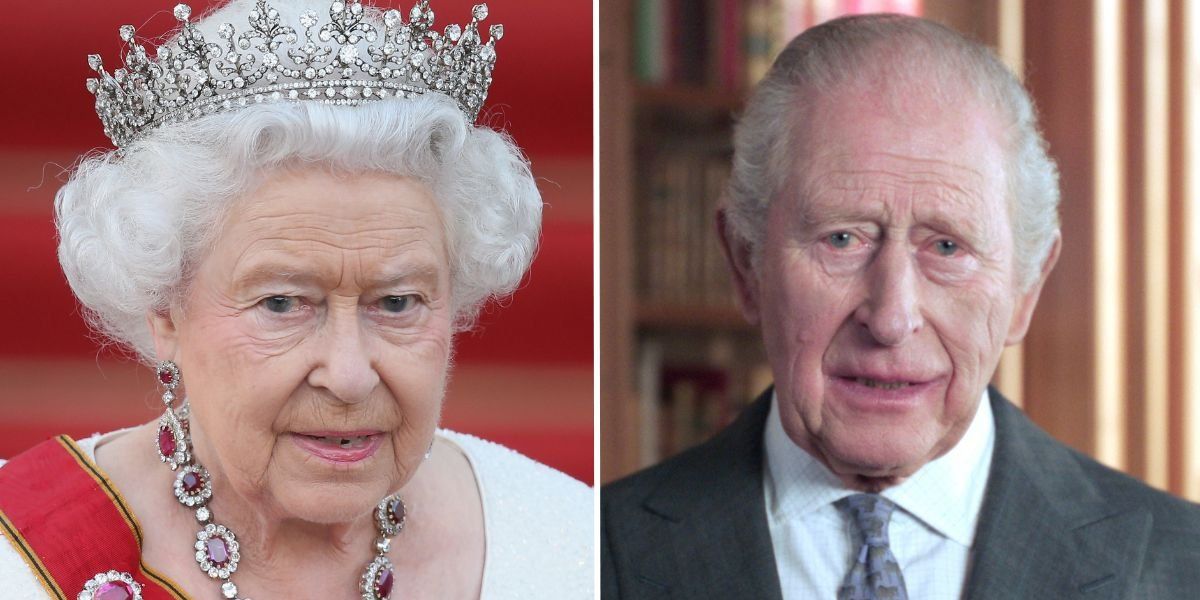
Among those raising concerns is royal commentator Mark Dolan, who believes Charles’s efforts to reconnect with Harry and Meghan Markle could complicate the monarchy’s future stability rather than strengthen it.
Speaking on The Royalist podcast, host Tom Sykes introduced the debate by arguing that the King’s recent approach risks undermining the framework established by Queen Elizabeth II after the Sussexes stepped back from royal duties in 2020.
“Charles is enabling Harry to establish a rival court in a complete defiance of what his mother, in her wisdom, laid down,” Sykes said.
His remarks referred to the late Queen’s decision that Harry and Meghan could no longer operate as working members of the Royal Family while pursuing independent commercial ventures. That arrangement became one of the defining principles of the modern monarchy, and some commentators believe any shift away from it could create uncertainty about the institution’s direction.
Mark Dolan agreed with the concern and suggested the consequences could reach far beyond the present generation.
:max_bytes(150000):strip_icc()/WilliamGeorgeLead-f10e685d9bcc400da1b22b5a75d894b9.jpg)
“Meghan and Harry will make life a misery for King William and Queen Catherine, and they’d love to be in the UK, I think up to half of the year with this rival court, and then it’s going to carry on into the next generation,” he said.
Dolan then made an even more controversial prediction involving the Sussex and Wales children.
“And Archie and Lily, when they’re teenagers and young adults, I predict will make life a misery for George, Charlotte and Louis.”
Those comments immediately became one of the most debated aspects of the discussion.
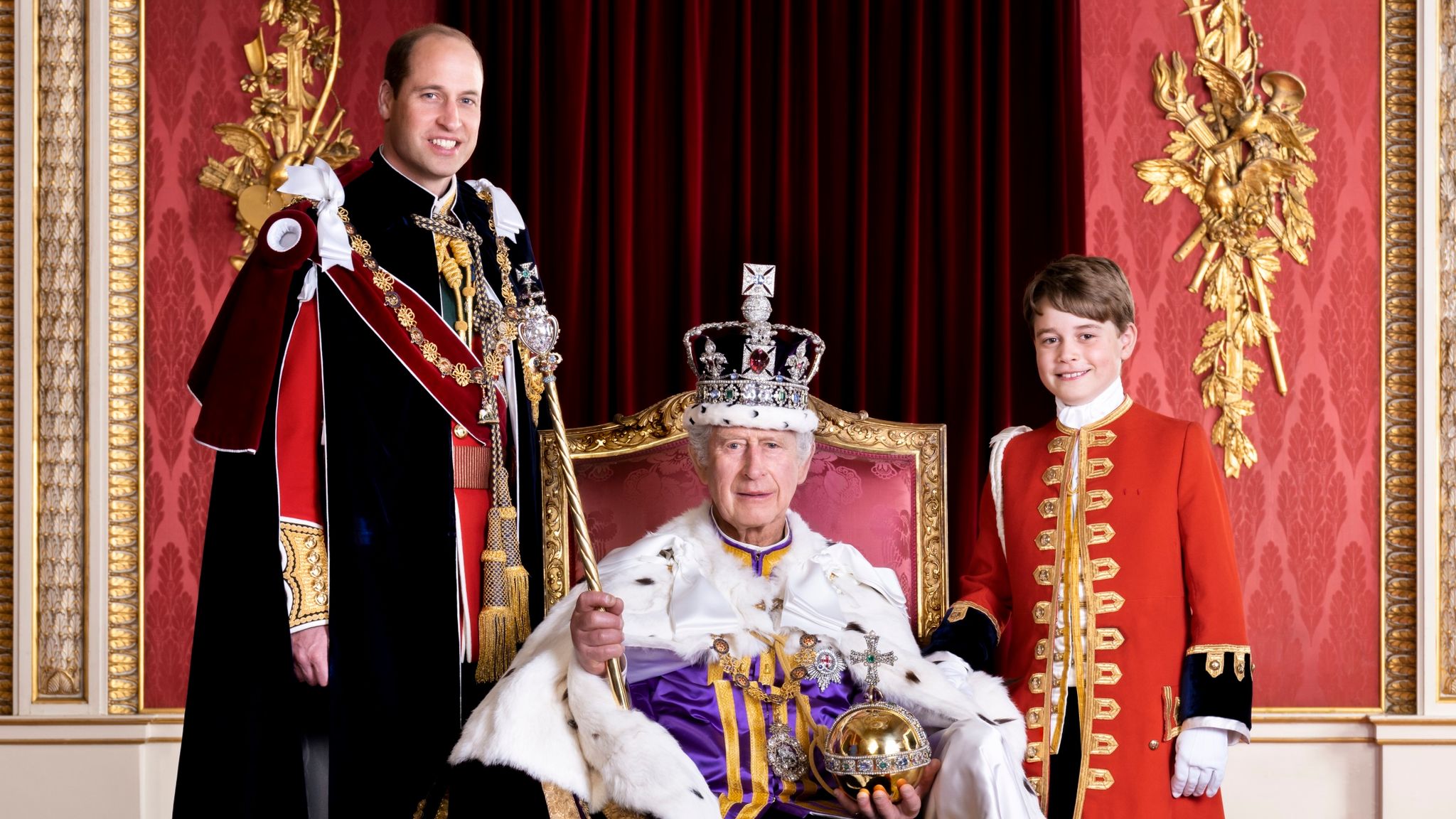
Representatives for the Duke and Duchess of Sussex strongly rejected the remarks, describing them as “deeply distasteful.” According to their spokesperson, there is a clear difference between criticizing public figures who willingly occupy the spotlight and targeting children who have done nothing to deserve such criticism.
The response shifted part of the conversation away from constitutional questions and toward the broader issue of how royal debates increasingly involve the next generation, despite the children themselves having no public role in these disputes.
Although Dolan expressed concern about the monarchy’s direction, he also argued that King Charles still has an opportunity to change course.
“I think what he needs to do is scale back the whole royal operation. He needs to make the monarchy a lean, mean fighting machine,” he said.
His argument centered on the belief that the Royal Family must become more efficient and less expensive if it hopes to remain relevant in the years ahead. He pointed to growing republican sentiment as evidence that public expectations of the monarchy continue to evolve.
“It needs to cost less because, you know, you’ve already got Republicans who are identifying the problem of the royal family. And if you’re going to have authority, if you’re going to survive,” he said.
Dolan concluded by arguing that Queen Elizabeth II’s greatest achievement was ensuring the survival of the institution itself, suggesting that preserving the monarchy should remain the King’s highest priority even if doing so requires difficult decisions.
The debate over Charles’s relationship with Harry has also renewed attention on Prince William’s position within the family.
Reports surrounding the Highgrove meeting suggested the Prince of Wales was unhappy about his father’s decision to host Harry and Meghan. Broadcaster Kevin O’Sullivan also claimed that Catherine, Princess of Wales, shared those reservations, alleging that many within the Royal Family continue to hold Meghan responsible for the deep rift that developed between Harry and his relatives.
Notably, William and Catherine were attending a charity polo match in Windsor while Harry met privately with King Charles and Queen Camilla at Highgrove.
Equally significant is the fact that William and Harry reportedly had no contact whatsoever during Harry’s most recent visit to Britain. Despite being in the country at the same time, the brothers neither met nor communicated, reinforcing the widespread belief that any progress in reconciliation currently exists almost exclusively between Charles and his younger son.
Royal historians often observe that monarchies operate on two parallel levels. One involves deeply personal family relationships, while the other concerns constitutional continuity and public confidence. Rebuilding trust within a family may be emotionally important, but maintaining institutional stability requires careful consideration of precedent, perception and succession.
That distinction lies at the heart of the current debate.
Supporters of reconciliation argue that repairing the bond between father and son represents an important step toward healing years of division. Critics, however, fear that any move perceived as restoring Harry and Meghan’s influence could blur the boundaries established after their departure from royal duties and create new challenges for William’s eventual reign.
Neither Buckingham Palace nor Kensington Palace has publicly commented on Mark Dolan’s remarks, leaving the discussion firmly in the realm of outside commentary rather than official royal policy.
Even so, the conversation highlights how every development involving the Sussexes continues to generate questions extending far beyond Harry and Meghan themselves. What began as a private family reconciliation has evolved into a wider debate about succession, institutional stability and the future direction of the British monarchy. Whether King Charles’s efforts ultimately strengthen the Royal Family or create fresh challenges for the next generation remains a matter of opinion, but the differing reactions demonstrate that the path toward reconciliation is proving far more complex than a single meeting at Highgrove.