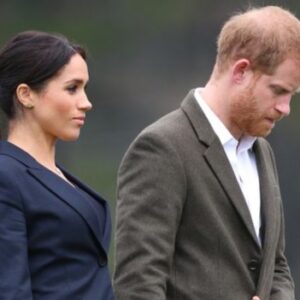
King Charles III is reportedly preparing to offer Prince Harry another opportunity to stay at Buckingham Palace when the Duke of Sussex returns to London in September for a series of charitable engagements, including the annual WellChild Awards. To many royal observers, the gesture represents another attempt by the King to repair a relationship that has been strained for years. Yet behind the palace gates, the mood is said to be far less welcoming.

According to reports, not everyone working for the monarch believes Harry should once again be given a room inside the royal residence. While the King may be determined to continue extending an olive branch to his youngest son, palace staff are reportedly struggling to move beyond the events of recent years, particularly the fallout from Spare, televised interviews and repeated public criticism of the Royal Family.

Entertainment writer Rob Shuter, citing palace insiders, reported that many employees remain deeply uncomfortable with the idea of hosting Harry. One source summarized the feeling bluntly: “The king may want Harry under his roof, but many of the people who work there don’t.”
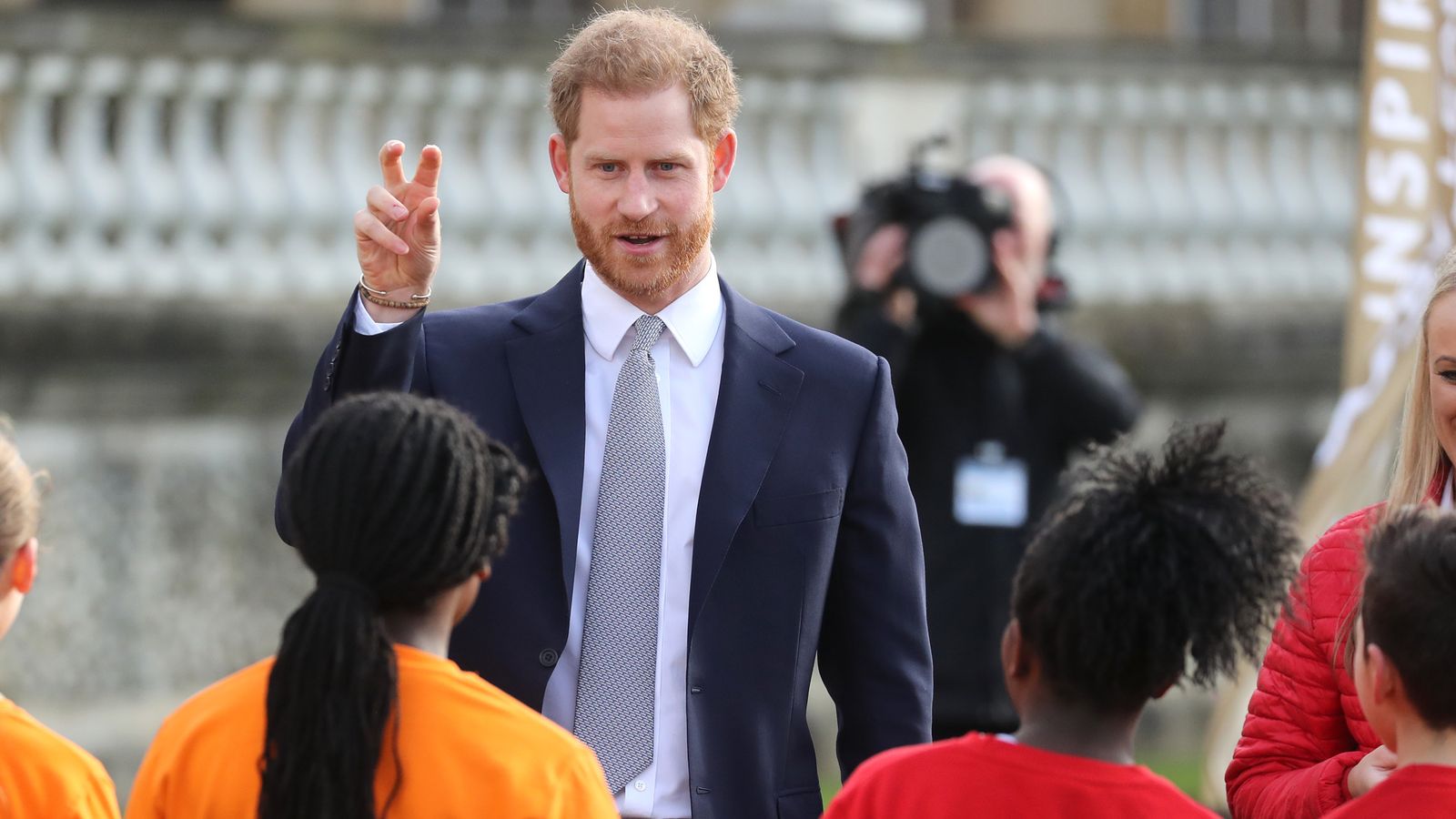
The reported frustration goes beyond personal opinions about the Duke. Staff members are described as fiercely loyal to both the King and the institution they serve, and many are said to feel personally hurt by the way private family matters became public through Harry’s memoir, documentaries and interviews alongside Meghan Markle. From their perspective, the controversy did not simply damage family relationships—it also affected the reputation of the institution they dedicate their careers to protecting.
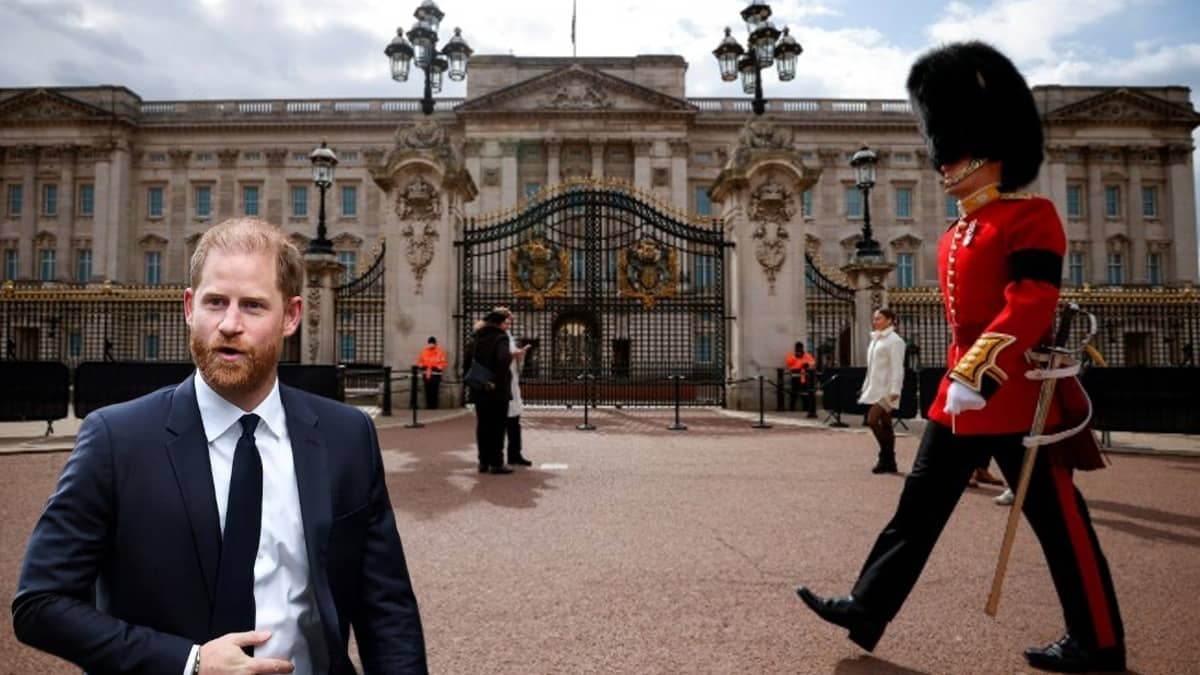
Royal commentators have often noted that palace employees occupy an unusual position. Unlike public figures, they rarely speak publicly or defend themselves, yet they are responsible for ensuring the monarchy functions smoothly behind the scenes. That context may help explain why reports of lingering resentment have attracted so much attention. For many staff members, professionalism has required silence even when the institution they serve came under intense public criticism.
This is not the first time Buckingham Palace has reportedly wrestled with the question of accommodating Harry. During his visit to Britain earlier in July, the Duke was also offered the opportunity to stay at the palace. According to reports from The Sun and the Daily Mail, the invitation was extended well in advance, but Harry did not confirm his plans before the requested deadline.
By the time he reportedly decided to accept, the offer had already been withdrawn.
According to those reports, the Royal Household requires sufficient notice before preparing accommodation at an official royal residence. Staffing, security and logistical arrangements must all be organized in advance, making last-minute changes difficult. Sources claimed King Charles ultimately agreed that the deadline had passed and the invitation could no longer stand.
Harry’s representatives reportedly viewed the situation very differently. They suggested the accommodation was withdrawn not because of scheduling concerns but because palace officials did not want Buckingham Palace associated with the legal controversy unfolding at the same time.
The timing certainly added another layer to an already complicated visit. On July 7, the same day Harry had reportedly been expected to stay at Buckingham Palace, he publicly criticized a High Court ruling in his lawsuit against the Daily Mail. After the court dismissed claims that he and several other high-profile figures had presented sufficient evidence of unlawful information gathering, Harry released a statement accusing the judge of participating in an “obvious white wash.”
Royal experts later suggested palace aides would have been reluctant to see Buckingham Palace become the backdrop to such a strongly worded public attack on the British legal system. Whether that concern directly influenced the accommodation decision remains disputed, but it became another source of disagreement between Harry’s team and palace officials.
The July trip had already attracted extraordinary media attention before Harry even arrived. British newspapers devoted weeks to speculation over whether Meghan Markle, Prince Archie and Princess Lilibet would accompany him to Britain. At the same time, Harry continued expressing concerns about his security arrangements in the UK after losing access to automatic taxpayer-funded police protection following his departure as a working royal.
Some commentators described the intense public debate as a “psychodrama,” with daily headlines focusing on security, travel plans and family relationships. Reports even suggested Harry had implied that King Charles might not see Archie and Lilibet unless satisfactory security arrangements could be found, although the Sussex family ultimately traveled privately and later met the King and Queen Camilla at Highgrove on July 10.
Following that private reunion, Meghan later shared photographs from the family’s summer holiday, including images believed to have been taken in Portugal and at Althorp, Princess Diana’s ancestral family home. Those pictures were widely interpreted by some royal commentators as an attempt to present a calmer, more family-focused public image after months of intense scrutiny.
Despite those signs of improving family relations, insiders told Rob Shuter that palace morale remains a significant consideration for King Charles. Buckingham Palace is reportedly already facing challenges recruiting and retaining experienced staff, making employee confidence especially important.
One insider claimed, “The king’s biggest concern wasn’t logistics—it was his staff.” Another reportedly added that Charles was thinking not only about Harry but also “the people who keep the monarchy running every day,” suggesting the King would not want to risk upsetting loyal employees or creating an atmosphere where experienced staff considered leaving.
With Harry expected to return to London again in September, insiders believe similar tensions could quickly resurface if he accepts another invitation to stay at Buckingham Palace.
One source predicted that while employees would remain courteous and carry out their responsibilities, that should not be mistaken for genuine reconciliation. “People will remain professional because that’s their job,” the insider reportedly said. “But don’t mistake professionalism for forgiveness. Those are two very different things.”
Those comments highlight an important distinction emerging throughout the latest chapter of the Sussex story. King Charles may be increasingly willing to rebuild his relationship with his youngest son as a father, but that personal desire does not automatically erase years of institutional tension inside Buckingham Palace. Trust, once damaged, often takes far longer to rebuild than family connections alone.
For now, Harry’s September visit appears likely to test that balance once again. The King’s willingness to keep extending an olive branch suggests reconciliation remains possible on a personal level, yet the reported mood among palace staff demonstrates that forgiveness cannot simply be assumed. Behind the ceremonial grandeur of Buckingham Palace, many of the people responsible for supporting the monarchy every day are said to believe they have already endured enough—and that sentiment may prove just as significant as any invitation the King chooses to extend.