After an unforgettable run on Top Chef: Carolinas, finalist Laurence Louie may have fallen just short of the championship, but he has emerged as one of the season’s biggest breakout stars.
In a candid interview following the finale, Louie admitted that finishing as runner-up still hurts.
“Honestly, I cared a lot. I wanted to win so bad.”
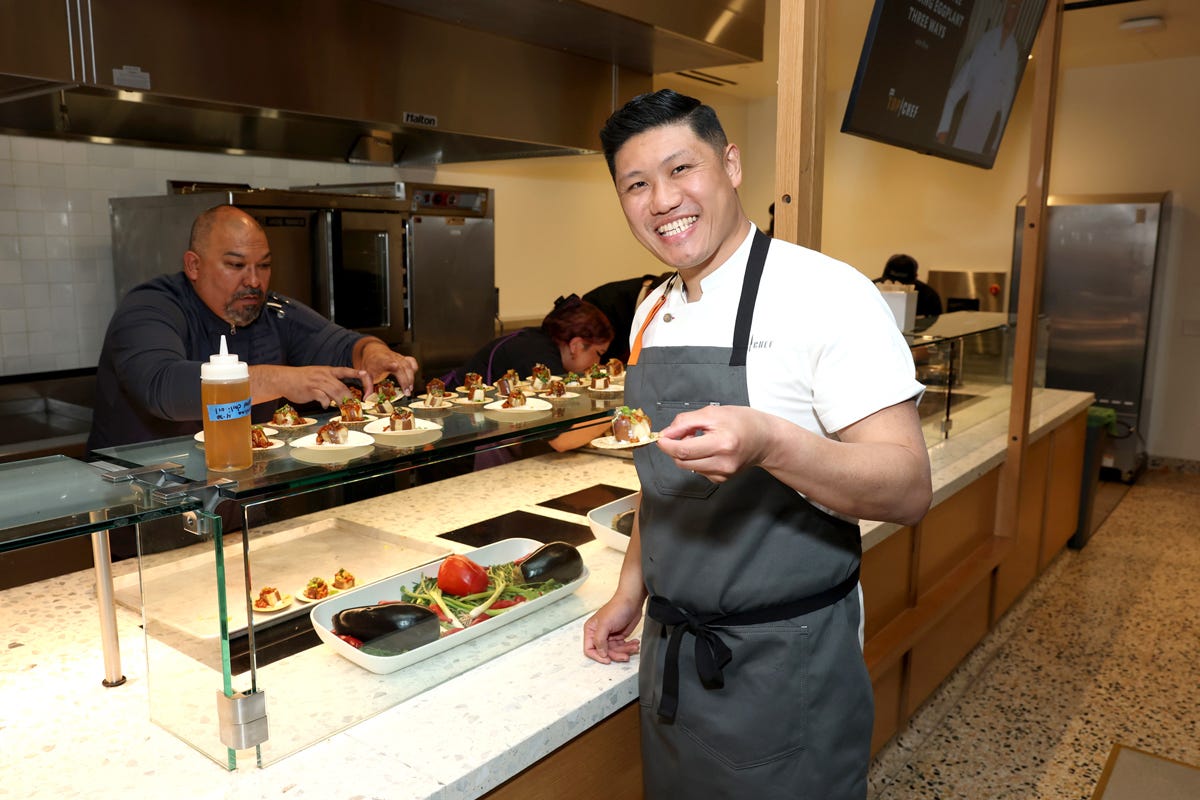
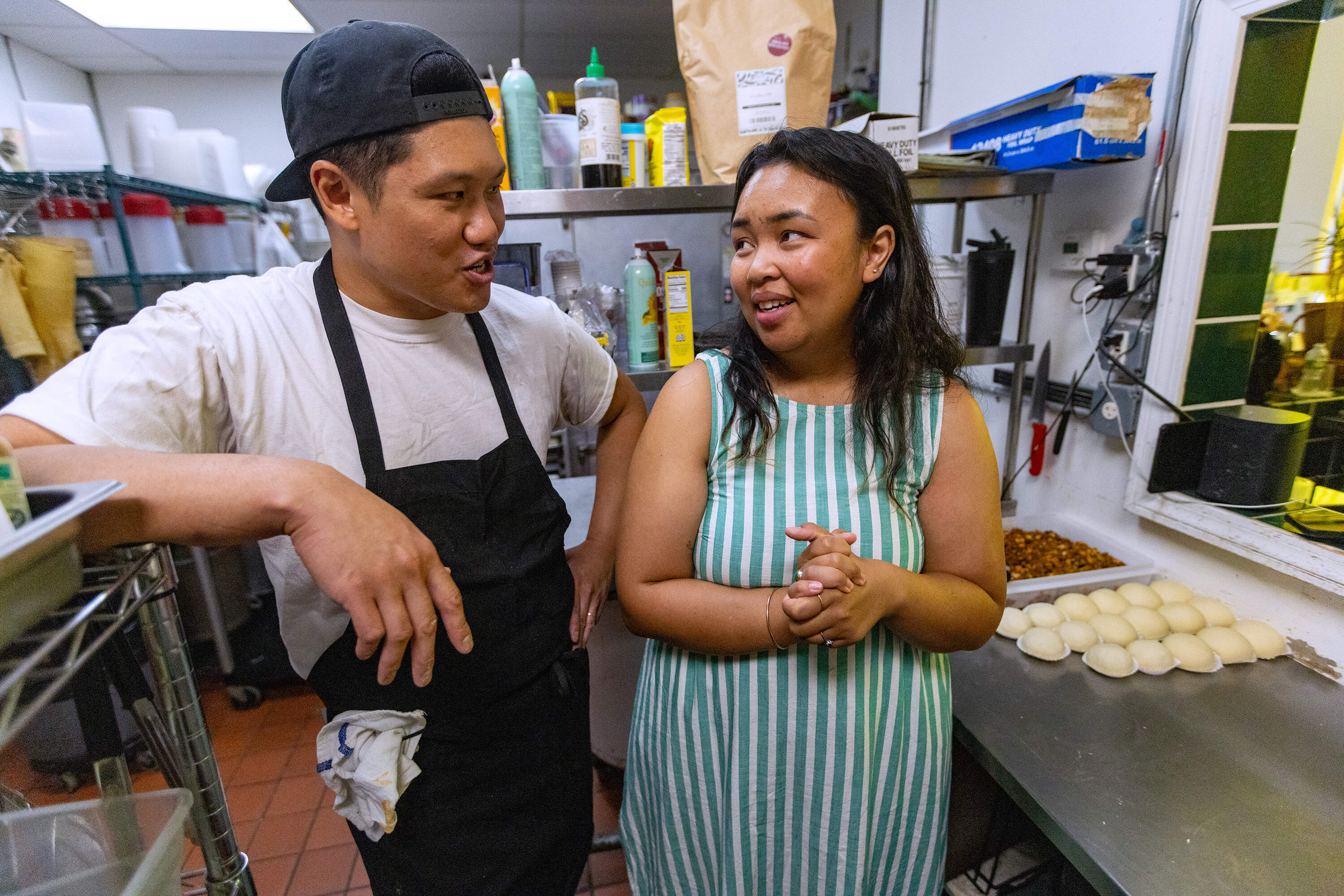
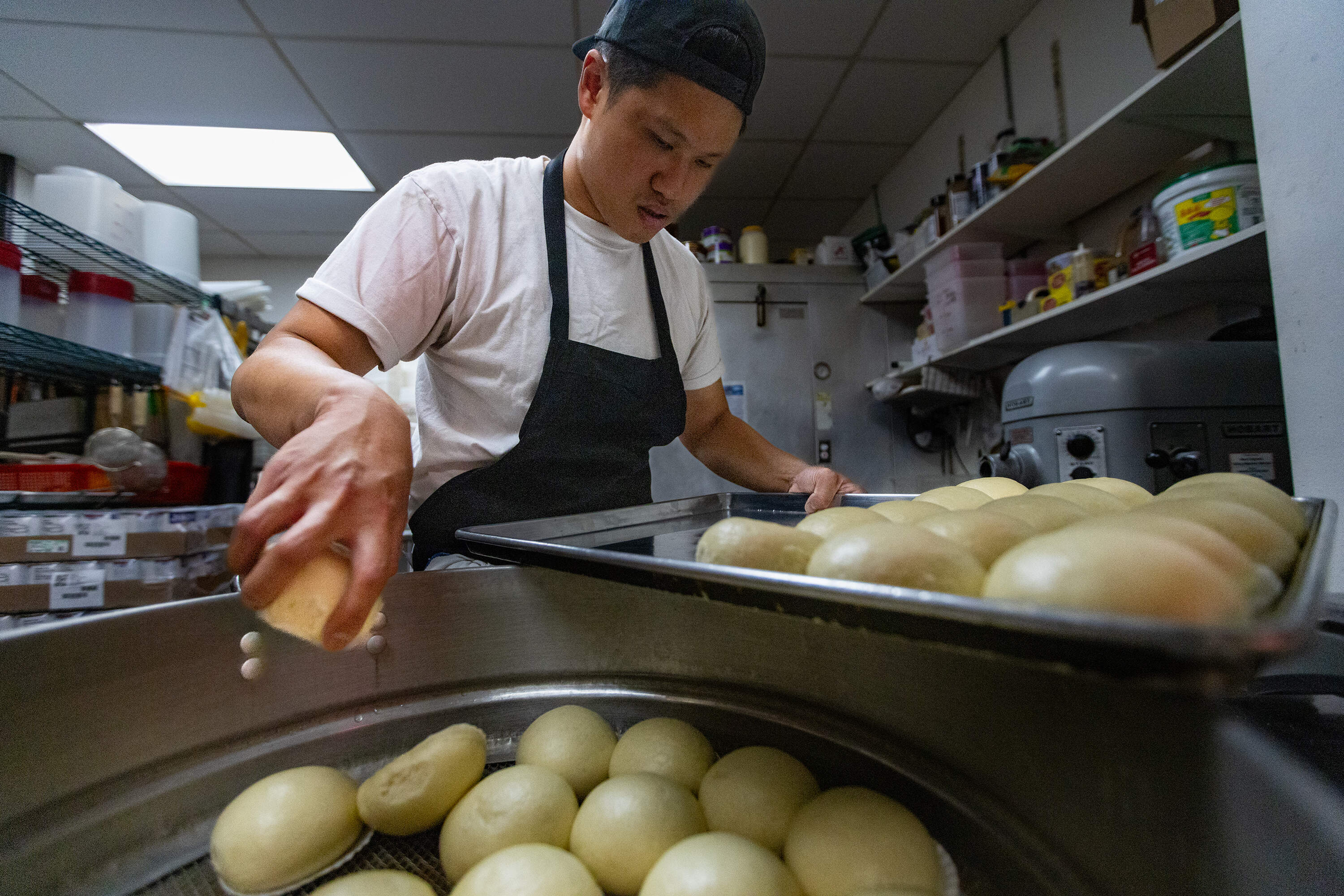
Throughout the season, Louie became one of the competition’s most memorable personalities. A Chinese-American chef from Boston, he arrived with expertise in Turkish cuisine after working in London, but gradually embraced the Cantonese cooking he grew up with inside his mother’s bakery. That personal shift became one of the defining storylines of the season.
Unlike many recent contestants whose résumés look increasingly similar, Louie stood out for his unconventional background. Before becoming a chef, he played college basketball, earned a master’s degree in Asian-American Studies, developed a passion for Warhammer, and never attended culinary school. Even with those unique experiences, he still built an impressive culinary résumé, earning a James Beard Award nomination and opening the acclaimed Hong Kong-style café Rubato on the site of his family’s former bakery.
Many viewers considered Louie the favorite to win for much of the competition. His dishes consistently impressed the judges by balancing refined technique with approachable flavors, avoiding the overly complicated presentations that often appear in high-level cooking competitions.
Although Rhoda Magbitang ultimately claimed the championship over fellow finalists Louie and Sherry Cardoso, many fans felt the finale was among the closest in recent Top Chef history. Rather than being remembered solely for the winner, Season 23 is likely to be remembered for the strength of all three finalists.
Beyond the competition itself, Louie acknowledged that appearing on Top Chef has opened far more doors than the $250,000 grand prize ever could. Increased visibility, stronger industry recognition, and the opportunity to introduce more people to Cantonese cuisine may ultimately become the biggest rewards from his television journey.
One unexpected goal has also emerged since the show ended: landing a sponsorship with Costco.
Louie joked that he’d happily partner with the warehouse retailer, a brand many fans now associate with his personality thanks to comments throughout the season. While partly humorous, the idea reflects how his relatable, down-to-earth image has resonated with audiences far beyond the kitchen.
Still, the finale remains difficult to revisit. Like many reality competition contestants, Louie now finds himself repeatedly discussing a professional disappointment that actually happened months before viewers watched it unfold. As he continues giving interviews, he is also navigating one of the busiest—and most important—periods of his career, deciding how to capitalize on the momentum created by the show.
Despite missing out on the title, Louie’s future appears exceptionally bright. His combination of technical skill, emotional storytelling, and authentic personality has made him one of the most beloved contestants of the season, and many fans expect Top Chef to be only the beginning of a much larger culinary career.