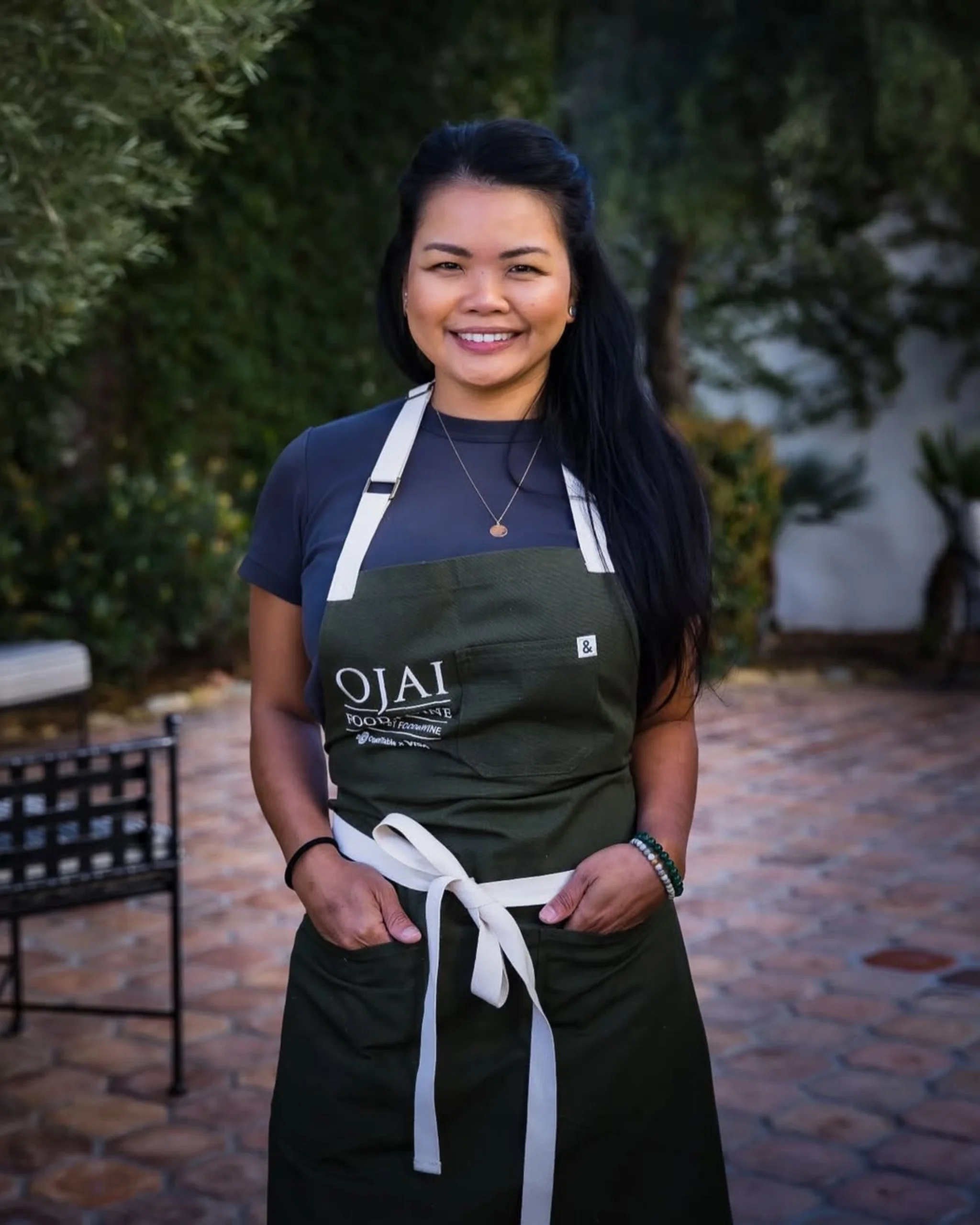
Fresh off her historic victory on Top Chef Season 23, Rhoda Magbitang is still adjusting to life as one of the most celebrated chefs in the culinary world.
In an exclusive interview with MEGA Asia, Magbitang opened up about her remarkable journey, the emotional roller coaster of the competition, and what it means to become the first Filipina—and the first woman in several years—to win Top Chef.

For Magbitang, the achievement represents far more than a television title.
“There are a lot of young people who watch the show,” she said. “Being able to be like a role model for either aspiring chefs or the younger generation… and especially young aspiring female chefs, is a pretty cool thing.”
From Aspiring Teacher to Top Chef Champion
Growing up in Antipolo City, Rizal, Magbitang never expected cooking to become her life’s work.
After moving to the United States as a teenager, she initially planned to become a teacher before discovering her passion for professional kitchens. That unexpected career change eventually led her through some of America’s most respected restaurants and ultimately to one of television’s biggest cooking competitions.
:max_bytes(150000):strip_icc():focal(749x0:751x2)/rhoda-Magbitang-062026-d247973b5f3a4540aa61623b7f91f44a.jpg)
Even after being crowned the winner, Magbitang admits the experience has been surreal.
Although filming concluded in October 2025—meaning she had known about her victory for months before the finale aired—nothing truly prepared her for the attention that followed.
“You would think you’d have a lot of time to prepare yourself emotionally, physically, and mentally,” she explained. “And it just really doesn’t play out like that.”
She credits her home in Hawai’i for helping her remain grounded during the whirlwind of interviews, social media attention, and public appearances that followed the announcement.
A Championship Built on Resilience
Magbitang’s path to the title was anything but straightforward.
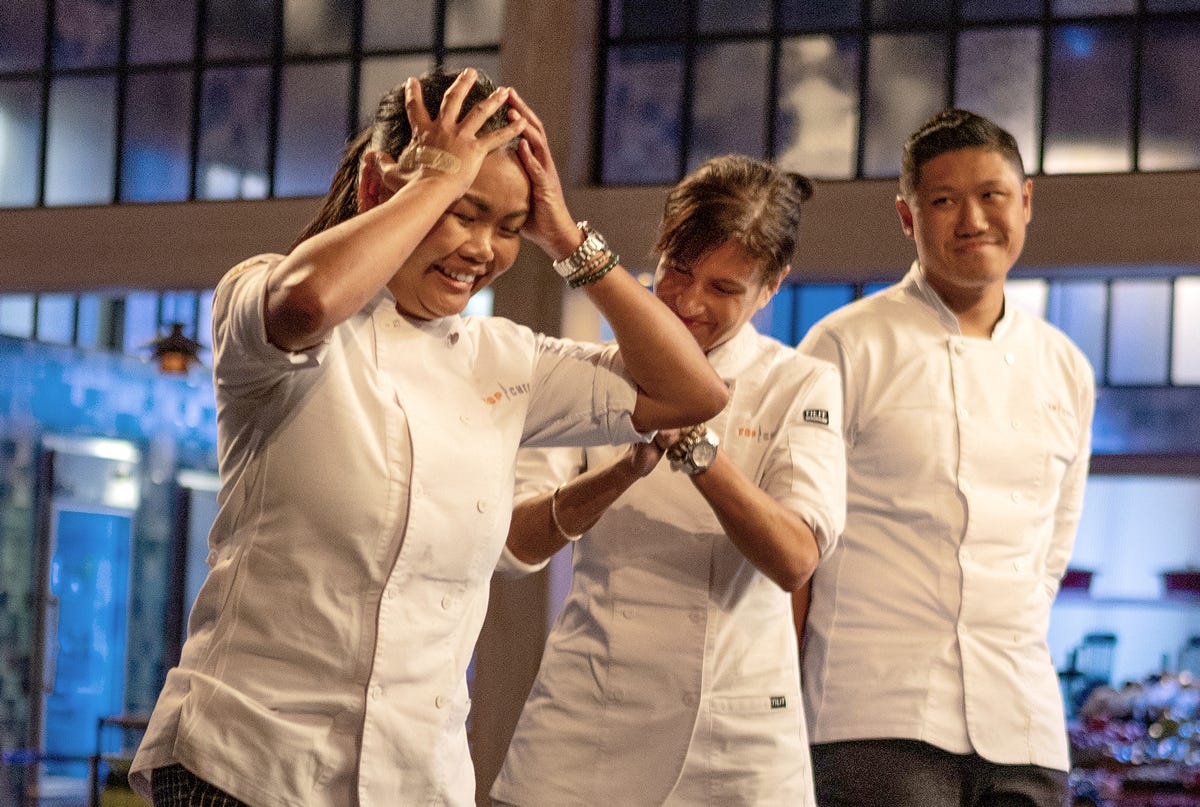
She burst onto the competition as an early favorite, winning the season’s first two elimination challenges. However, her momentum came to a shocking halt when she was eliminated in Episode 5.
Rather than seeing her journey end there, she fought her way through Last Chance Kitchen, where eliminated contestants battle for one final opportunity to re-enter the competition.
That experience ultimately became one of the defining moments of her career.
“It takes a certain amount of mental fortitude and tenacity to get back into the game,” she said.
Returning to the competition forced Magbitang to reflect on how badly she wanted the title and how much she was willing to sacrifice to earn it. She eventually returned in Episode 9 and completed one of the most memorable comeback stories in recent Top Chef history before capturing the championship.
Cooking on Television Is Different From Real Life
One misconception Magbitang hopes viewers understand is just how different cooking for television is compared to working in a professional restaurant.
According to her, audiences often underestimate the pressure that cameras, time limits, and constant scrutiny create inside the competition.
“Cooking on TV and cooking in real life are very different things,” she said.
She explained that mistakes viewers consider simple or avoidable often result from an environment filled with extraordinary stress, making televised competitions far more demanding than they appear from the couch.
Proudly Representing Filipino Cuisine
Throughout the season, Magbitang proudly embraced her Filipino heritage.
Although she currently serves as Executive Chef of CanoeHouse, she remained deeply connected to her family in the Philippines during the competition.
She says her relatives have been incredibly proud of her accomplishment, and she hopes to return to the Philippines soon—her first visit since 2017.
Beyond reuniting with family, Magbitang is eager to experience the country’s rapidly evolving culinary scene.
She praised the growing number of young Filipino chefs who have trained internationally before returning home to reinterpret local cuisine with modern techniques.
“I love watching it from a distance,” she said. “And I can’t wait to experience it myself.”
Learning Never Stops
Before becoming a television champion, Magbitang built an impressive résumé that included training at Le Cordon Bleu and working in several acclaimed restaurants, including Michelin-starred kitchens.
She believes every kitchen she has worked in has shaped her philosophy as a chef.
Rather than focusing on one cooking style, Magbitang encourages aspiring chefs to remain curious, travel widely, taste different cuisines, and stay open to learning from everyone around them.
One of her most memorable lessons came not from an executive chef, but from restaurant dishwashers who helped guide her during the early days of her career in Los Angeles.
According to Magbitang, every member of a kitchen has something valuable to teach.
“You need to be able to listen and observe,” she said. “Understand what’s going on all the time.”
The Filipino Dish She Wants the World to Discover
After winning Top Chef with her own interpretation of Filipino cuisine, Magbitang hopes international audiences continue exploring the country’s rich culinary traditions.
If she could introduce one underrated Filipino dish to more people, her choice would be Bopis.
The spicy pork dish carries special meaning because it reminds her of her grandmother, who owned a small food stall in Pasig and first taught her how to cook.
She fondly recalls weekend trips to the wet market, helping prepare ingredients, and learning recipes that would eventually inspire her own culinary journey.
After nearly a decade away from the Philippines, Magbitang already knows what she’ll be looking for when she returns.
“I haven’t eaten it in so long,” she said. “Going back to the Philippines, it’s one of the first things that I’ll probably eat.”
Her victory may have made history on Top Chef, but for Magbitang, the greatest reward is knowing that her journey has helped shine an even brighter spotlight on Filipino chefs, Filipino culture, and Filipino cuisine on the global stage.