The excitement of Dollywood quickly turned into a high-pressure food truck battle as four teams were pushed to their limits in Sweet & Savory: Dishing It Out at Dollywood.
Set inside the famous Dollywood theme park in Pigeon Forge, Tennessee, the episode placed the competitors in the middle of enormous crowds, with Tyler Florence challenging them to turn iconic Dollywood flavors into dishes that could actually sell.
The first challenge, “Dollywood Delights,” forced each food truck to incorporate one signature ingredient associated with the park. The choices included Sweet Cinnamon Bread, fudge, turkey legs and candied jalapeños.
What looked like a fun theme quickly became a serious test of creativity. The teams had to figure out how to transform familiar amusement-park favorites into dishes that were distinctive enough to attract customers while still being fast and practical enough for a food truck.
But the real battle began once the doors opened and the crowds arrived.
With thousands of hungry visitors moving through the park, every sale mattered. The teams had to balance speed, pricing and food quality while trying to keep their lines moving.
Cason Funnel Cakes immediately embraced an aggressive strategy. The dessert truck adjusted its prices and pushed sales harder, attempting to take advantage of the massive customer flow before its competitors could catch up.
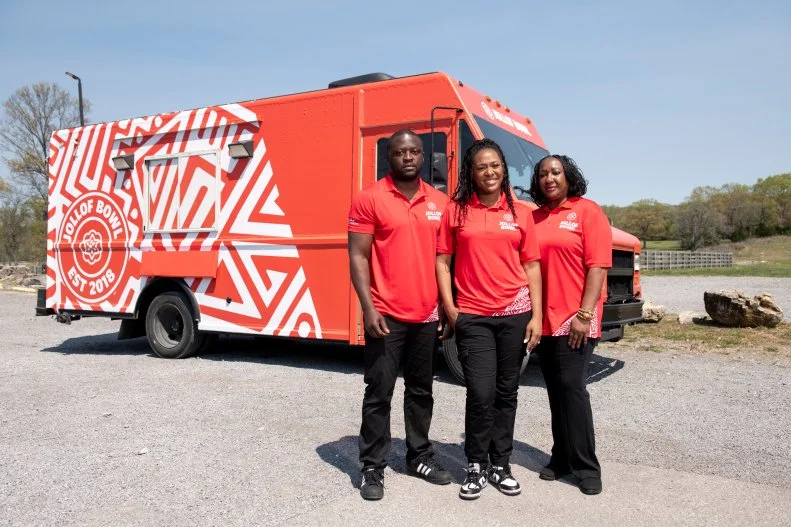
Jollof Bowl adopted an equally aggressive approach, relentlessly pushing its food and trying to maximize every possible sale.
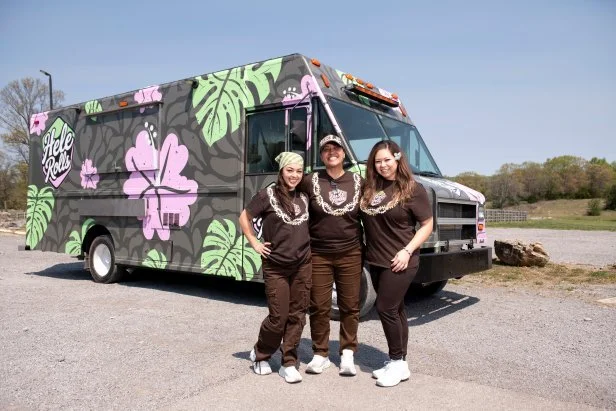
But while some teams were gaining momentum, Hele Rolls began experiencing one problem after another.
The first major complication came when a customer revealed an egg allergy. The kitchen suddenly had to stop and rethink how to handle the order, creating additional pressure during an already hectic service.
Then came another costly mistake.
Kawai, one of the members of Hele Rolls, miscalculated the price charged to a customer, throwing the team’s cash-handling process into confusion. In a competition where every dollar can determine the final ranking, even a small mistake at the register could become a major problem.
The situation highlighted just how different this competition was from a traditional cooking challenge.
The contestants weren’t simply being judged on flavor.
They were effectively running businesses in real time.
Every dish had to be prepared quickly. Every customer had to be served. Prices had to be calculated correctly. And when something went wrong, there was no opportunity to simply start the challenge again.
Meanwhile, the other trucks continued pushing their sales, turning the crowded Dollywood setting into an increasingly intense race for revenue.
The contrast was striking: outside, visitors were enjoying roller coasters, attractions and the excitement of the park. Inside the food-truck competition, however, the teams were fighting for every order and desperately trying to prevent small mistakes from becoming catastrophic.
With Cason Funnel Cakes using aggressive pricing, Jollof Bowl maintaining relentless sales pressure and Hele Rolls struggling through operational setbacks, Sweet & Savory: Dishing It Out at Dollywood became less about simply creating a great dish and more about answering one brutal question:
Which team could survive the chaos long enough to turn Dollywood’s massive crowds into the most money?