KICKED WALLS AND KITCHEN NIGHTMARES: Guy Fieri reveals the ‘gnarly’ PTSD haunting Tournament of Champions chefs as they crumble under ‘Vietnam War’ levels of stress
-
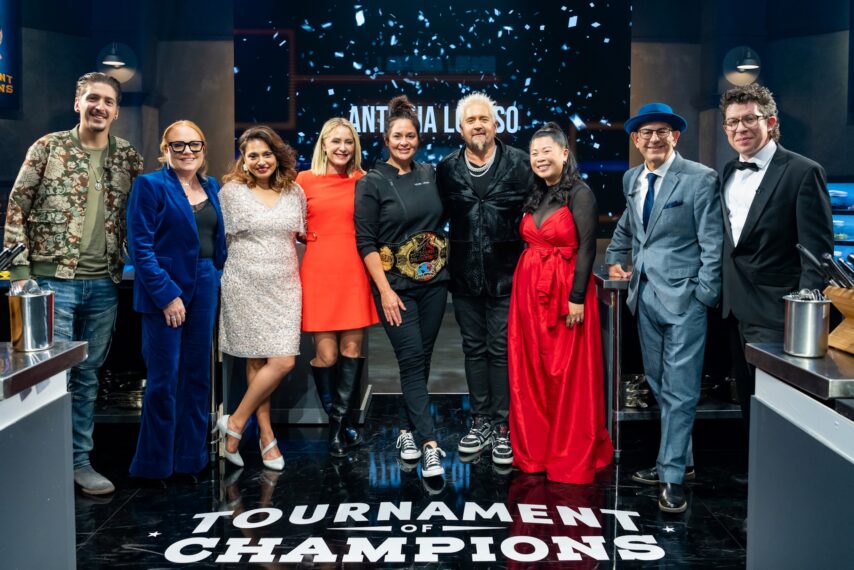
Guy Fieri has exposed the shocking psychological toll behind the scenes of his hit Food Network show Tournament of Champions.
-
The ‘Mayor of Flavortown’ claims the brutal competition leaves world-class chefs with ‘PTSD’ and a ‘thousand-yard stare.’
-
Behind the curtain, Fieri describes a scene of ‘tears, holes in the wall, and kicked-over equipment’ as the Randomizer breaks the nation’s elite.
LOS ANGELES — He is known for his bleached spikes, bowling shirts, and the high-octane joy of Diners, Drive-Ins and Dives. But Guy Fieri has a darker tale to tell about the reality of culinary combat, and it’s enough to make even the most seasoned Michelin-starred veteran break into a cold sweat.
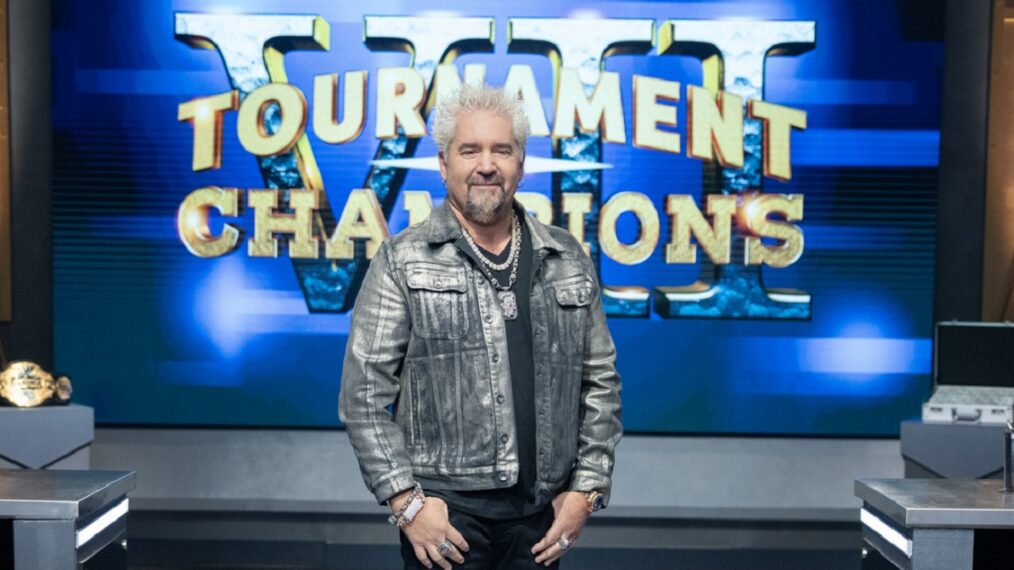
In a bombshell revelation that has sent shockwaves through the food world, the 58-year-old “Mayor of Flavortown” has pulled back the curtain on the “gnarly” reality of his hit series, Tournament of Champions (TOC). According to Fieri, the pressure has become so intense that contestants are no longer returning to their kitchens as the same people.
Instead, they are emerging like “soldiers after the Vietnam War,” haunted by an unnamed fear and a psychological weight that fans find impossible to believe.
‘It’s Scarier Than You Think’
Speaking on the latest episode of the Literally! with Rob Lowe podcast, Fieri didn’t mince words. While the cameras capture the sweat and the sizzling pans, they often miss the total emotional collapse that occurs once the “Randomizer”—the show’s notorious slot-machine-style device that dictates ingredients and cooking styles—stops spinning.
“You gotta really have a backbone about you,” Fieri told a stunned Rob Lowe. “You gotta really have truth and belief in yourself to go and do this because it’s scary. People get PTSD from this. It’s gnarly, gnarly, gnarly.”
The “PTSD” Fieri refers to isn’t just hyperbole. Insiders close to the production suggest that the combination of a live audience, an unforgiving clock, and the absolute lack of “TV magic” or do-overs creates a pressure cooker environment unlike anything else on television.
“Live audience. What you see is what you get. No bulls***. No changing the rules. No changing the clock,” Fieri barked, emphasizing that the show is the ultimate “truth serum” for the culinary elite.

Tears and Holes in the Wall
For the fans watching at home, the seventh season—which kicked off on March 1—is a thrilling display of skill for a $150,000 prize. But behind the scenes, the “Flavor-dome” resembles a war zone more than a kitchen.
Fieri described a “gamut of emotions” that would rival a Shakespearean tragedy. When the cameras stop rolling, the facade of professional composure vanishes.
“You wanna come behind the scenes? There’s tears, holes in the wall, kicked over things, people getting pissed,” Fieri revealed. He painted a visceral picture of broken men and women, describing chefs “finding their higher power” or frantically calling their spouses in states of total disarray.
Observers have noted a haunting change in the contestants’ demeanors. Gone are the “normal,” confident chefs who entered the arena. In their place are competitors with hollowed eyes, looking like survivors of a grueling military campaign. The “thousand-yard stare” has become a common sight in the green room.

The Terror of the Randomizer
The source of this trauma? A machine that guarantees chaos. The Randomizer ensures that no chef can ever truly prepare.
“There’s nobody that could be sitting at home or in their kitchen saying, ‘OK, if this, this, and this happened, this is what I would do,’” Fieri explained. “It’s impossible because you never know what’s going to be on the randomizer.”
For elite chefs who spend their lives perfecting “mise en place” and controlling every variable in their multimillion-dollar restaurants, this loss of control is devastating. It triggers a primal fear that Fieri says is “life-changing”—and not always in a positive way.

A Win for Fieri, a Loss for Sanity?
Despite the broken spirits and the drywall repairs needed after every episode, Fieri maintains that the show is his greatest achievement. He sees himself as a “ringleader” celebrating the people he respects most.
“This whole TOC experience is a win for me on so many levels,” he previously told TV Insider. “I’ll tell you, as a chef myself, what I get to learn by watching them is next level. Every day on set is like living multiple culinary master classes.”
But as the prize money grows and the stakes reach a fever pitch, the question remains: at what cost does the “Greatest Chef” title come?
While Fieri continues to expand his empire with new ventures like Flavortown Food Fight, the veterans of Tournament of Champions are left to pick up the pieces of their shattered nerves. For them, the kitchen is no longer a place of comfort—it’s a reminder of the “gnarly” battle they barely survived.