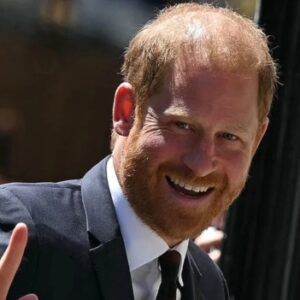
Prince Harry’s recent reunion with King Charles III has sparked a fresh wave of speculation about whether the Duke of Sussex could one day reclaim an official place within the British monarchy. After years of strained relations, reports that father and son spent private time together at Highgrove House encouraged many royal followers to believe that reconciliation might eventually extend beyond family ties and into Harry’s former royal responsibilities.
According to palace insiders and royal experts, however, those hopes remain far removed from reality.
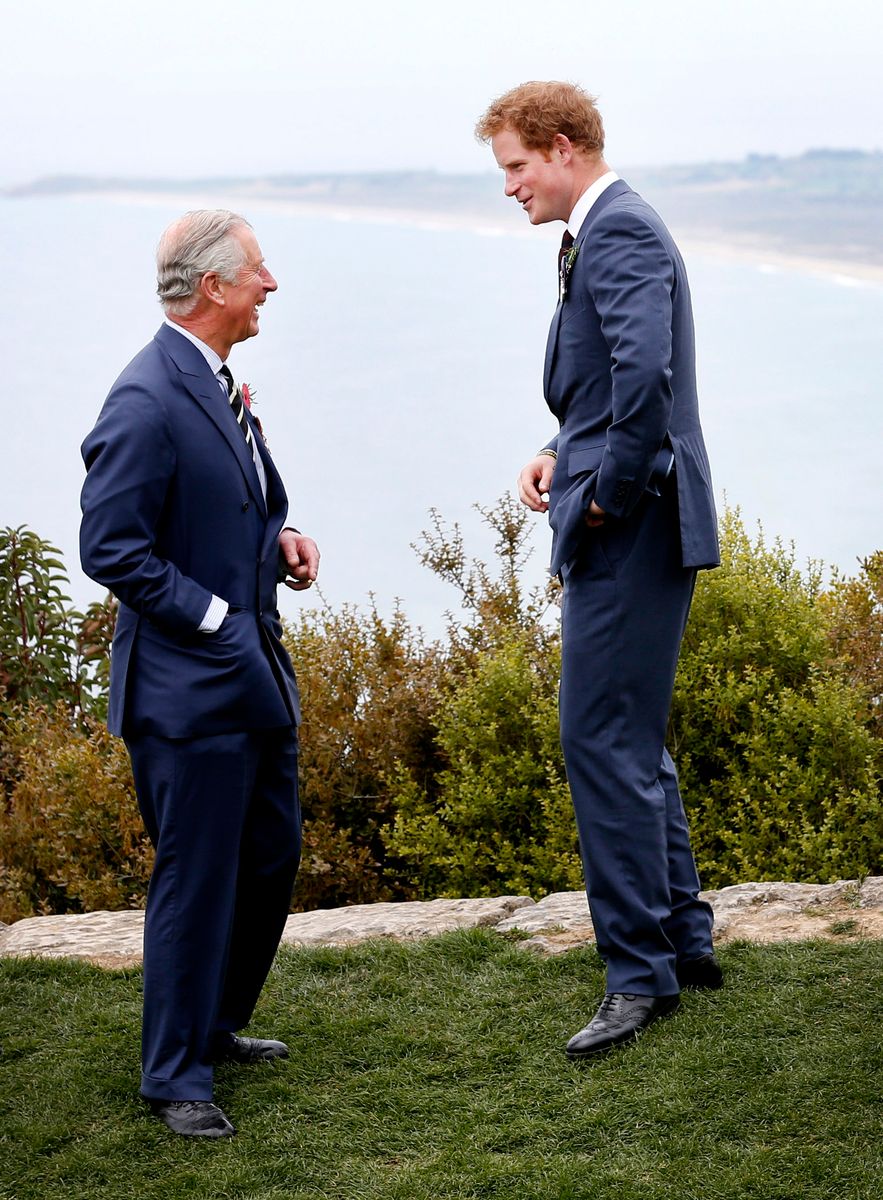
While there are growing signs that the personal relationship between King Charles and his youngest son is improving, Buckingham Palace’s institutional position has not changed. Harry may once again be welcomed as a son, a father and a member of the family, but returning as a working royal is an entirely different matter.
That distinction has become the central point of the latest discussion surrounding the Sussexes.
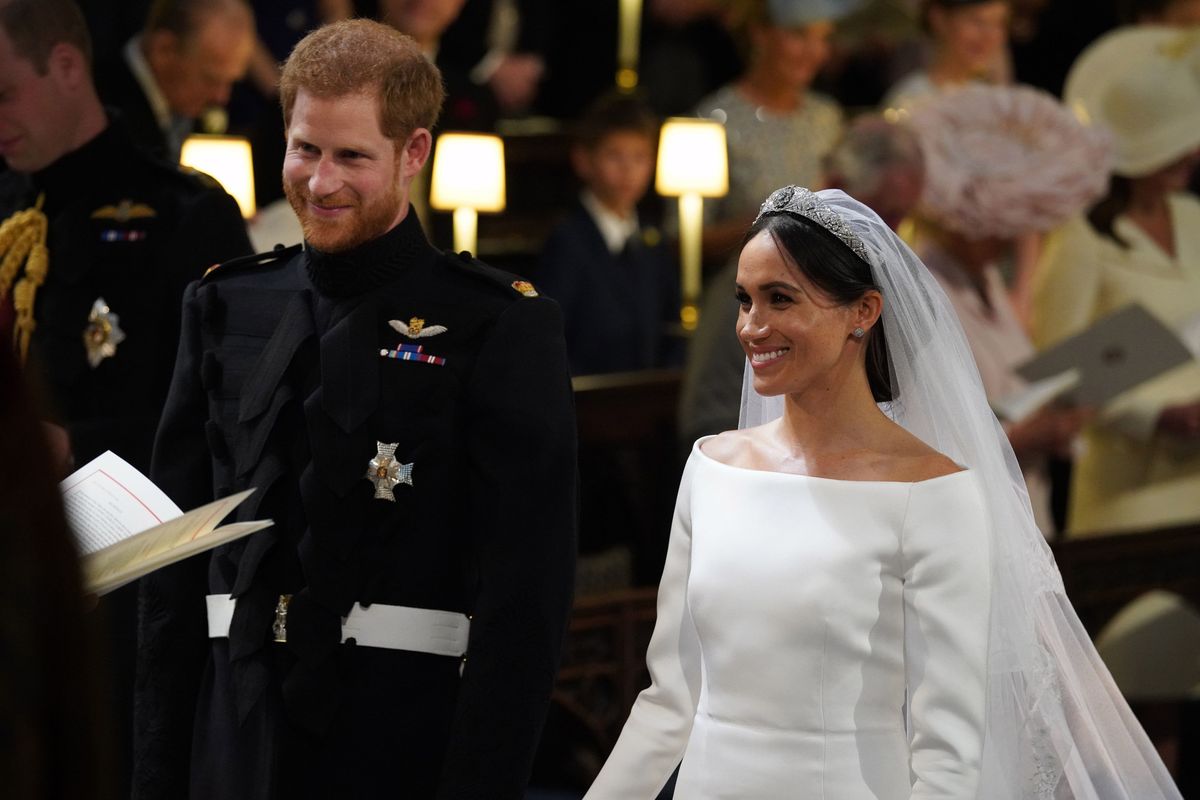
The foundation of the issue dates back to 2020, when Prince Harry and Meghan Markle stepped away from royal duties. At the time, Queen Elizabeth II made one principle unmistakably clear: there could be no “half-in, half-out” arrangement. Members of the Royal Family could not simultaneously carry out official duties on behalf of the Crown while also pursuing private commercial ventures for personal profit.
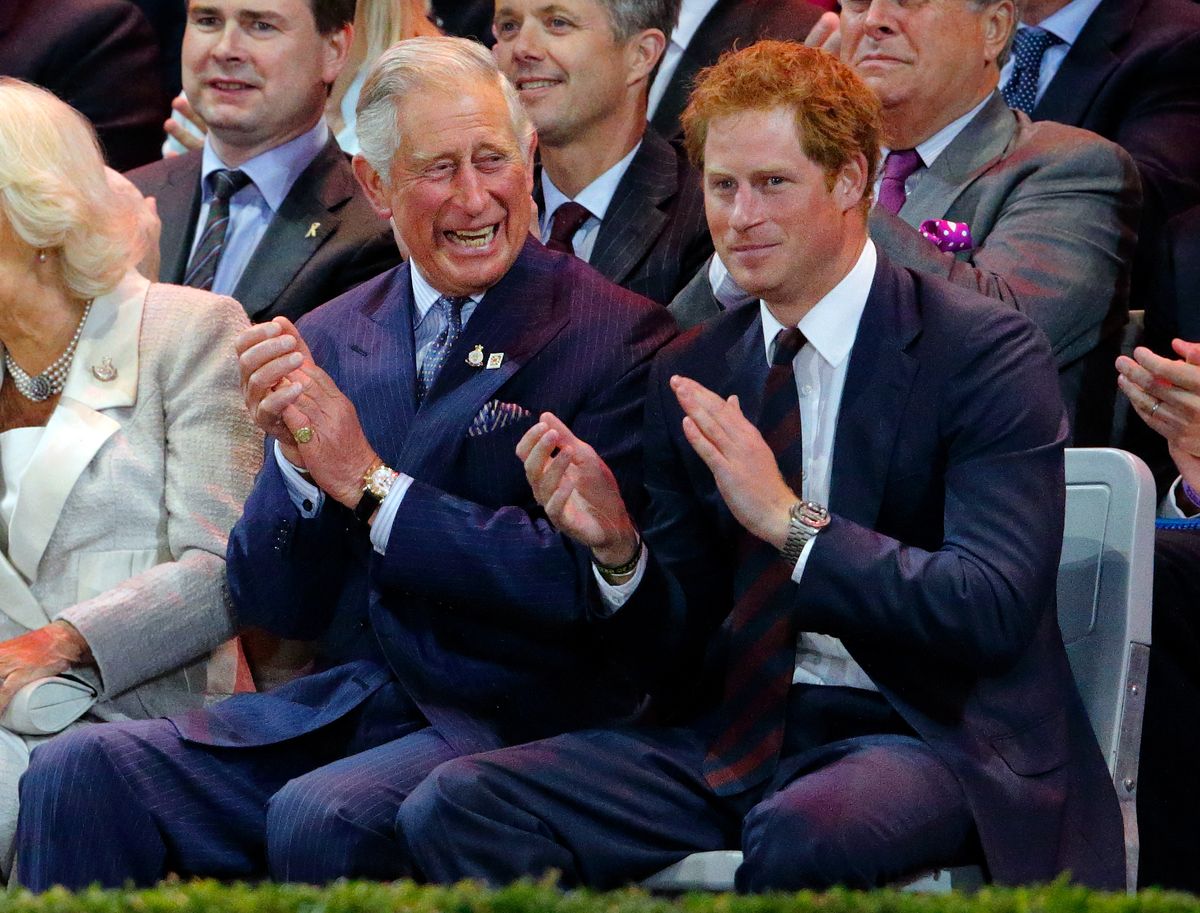
Although the late Queen is no longer alive, that policy remains one of the defining rules of the modern monarchy.
Royal observers frequently point out that the principle was never designed solely for Harry and Meghan. Instead, it was intended to protect the institution itself by ensuring that public service could not be blended with private business interests. In that respect, King Charles is widely believed to have inherited not only the throne but also the responsibility of maintaining the constitutional standards established during his mother’s reign.

That is why the recent reunion at Highgrove, emotional though it may have been, has not changed the Palace’s official position.
Over the past six years, Harry’s life has evolved dramatically. Since relocating to Montecito, California, he and Meghan have built an entirely new existence away from royal life. Their focus has shifted toward entertainment projects through Archewell Productions, where they continue developing television and film content under their Netflix partnership. They have also expanded their charitable efforts through the recently rebranded Archewell Philanthropies while raising Prince Archie and Princess Lilibet in Southern California.
Harry’s long-standing commitment to the Invictus Games remains another major priority. Friends of the Duke say much of his public work over the coming year will center on preparations for the 2027 Invictus Games in Birmingham, an event that has become one of the defining achievements of his post-royal career.
Away from official engagements, those close to Harry describe a very different lifestyle from the one he once experienced in Britain. His routine reportedly includes family time, surfing, beach walks and a pace of life that contrasts sharply with the demanding schedule of a senior working royal.
Yet despite building a successful new chapter, questions continue to surface about whether Harry misses the country he left behind.
Following his reported reunion with King Charles, several reports suggested the Duke would like to spend more time in Britain after reconnecting with his father. That possibility has fueled renewed debate over whether a deeper reconciliation with the Royal Family could eventually open the door to a royal comeback.
Palace insiders caution against drawing that conclusion.
As one senior royal source reportedly told journalist Rob Shuter, “No one doubts Harry misses parts of his old life. The question is what exactly he misses. Is it his family—or the status, security, and influence that came with being a working royal?”
That question continues to shape much of the public conversation.
For many inside royal circles, another issue remains impossible to ignore: trust.
According to another palace insider, Harry’s memoir Spare continues to cast a long shadow over family relationships. The source reportedly stated, “Trust has been shattered. Private family conversations have become books, television interviews, documentaries, lawsuits, and endless headlines. People inside the Palace are asking one question: what’s different this time?”
Those comments illustrate why repairing personal relationships may prove far easier than restoring institutional confidence.
Royal commentators have long argued that forgiveness and constitutional responsibility are not necessarily the same thing. King Charles may wish to strengthen his bond with his son on a personal level, but he also serves as monarch and guardian of an institution governed by precedent rather than emotion.
Even if Charles were personally inclined to welcome Harry back into royal life, many observers believe reversing Queen Elizabeth II’s policy would create difficult questions about consistency, accountability and the future structure of the monarchy.
Another significant obstacle remains Prince William.
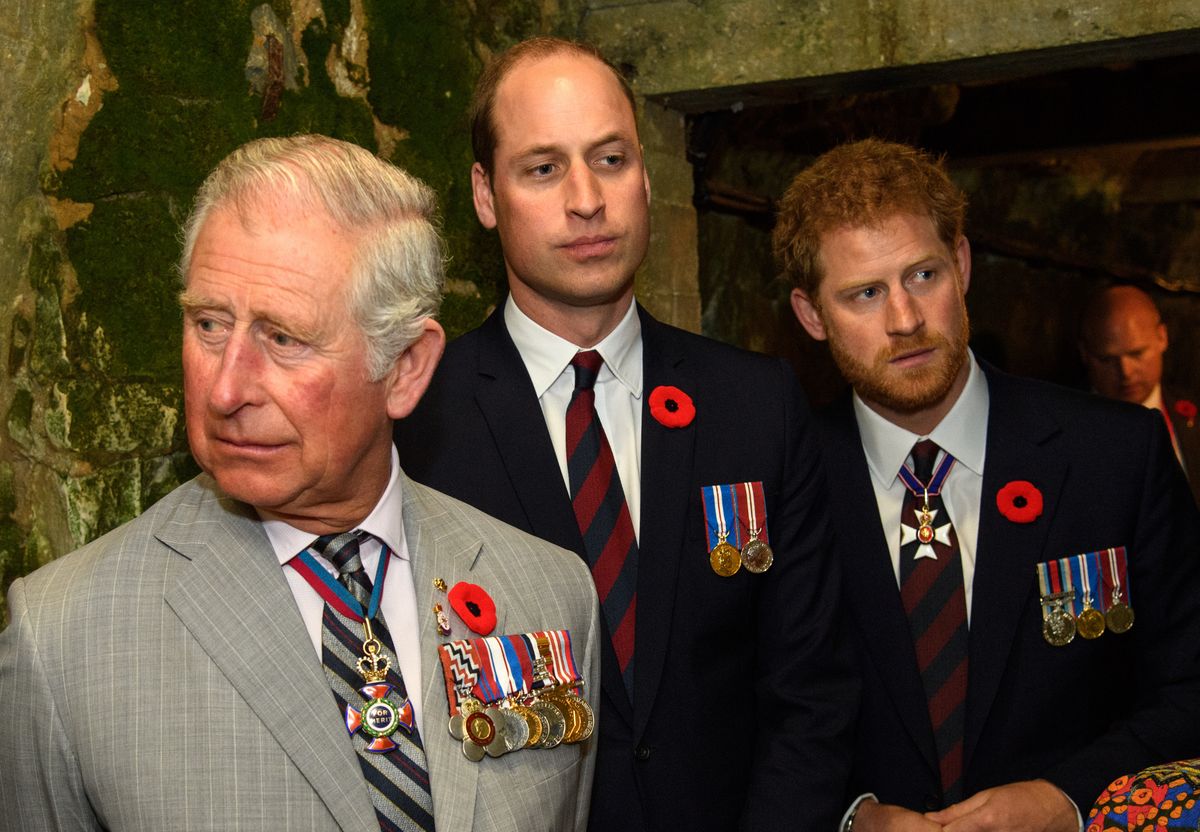
Multiple reports suggest that William’s relationship with Harry has not experienced the same improvement seen between Harry and the King. Palace sources say the brothers remain largely estranged, with years of public criticism directed at the Royal Family through interviews, documentaries and Spare continuing to shape William’s view of the situation.
According to recent reports, the Prince of Wales did not participate in the Highgrove reunion, underlining that reconciliation within the family is progressing unevenly rather than collectively.
Several constitutional experts have noted that this distinction is important. Restoring a father-son relationship does not automatically repair the broader dynamics within the Royal Family, particularly when future leadership of the monarchy will eventually pass to William.
For that reason, many analysts believe Harry’s future is increasingly defined by two separate identities.
One is Prince Harry, the King’s son, who may continue rebuilding personal relationships with his family through private meetings and gradual reconciliation.
The other is the former working royal whose official constitutional role effectively ended in 2020 under the framework established by Queen Elizabeth II.
Those two realities are not necessarily incompatible, but they are fundamentally different.
For now, all available indications suggest Harry’s future remains firmly rooted in California, where he continues balancing family life, charitable work and entertainment projects while maintaining his commitment to the Invictus Games. His ties to Britain may slowly become stronger again on a personal level, but the prospect of returning to official royal duties appears as distant as ever.
In the end, the greatest lesson from the Highgrove reunion may be that reconciliation does not always mean restoration. Harry may once again find his place within his family, yet the royal role he left behind appears destined to remain exactly where Queen Elizabeth II decided it should—part of the past rather than part of the monarchy’s future.