In a development that has sent shockwaves through Britain’s prison system and reignited debate over the treatment of its longest-serving inmates, Charles Bronson — widely labelled the country’s most notorious prisoner — has been transferred to HMP Wakefield, the maximum-security facility grimly nicknamed the “Monster Mansion.”
The unexpected move, carried out in the early hours of Thursday, April 2, 2026, saw the 73-year-old relocated from HMP Long Lartin in Worcestershire to the high-security Category A prison in West Yorkshire. Wakefield houses some of the most brutal and dangerous criminals in modern British history, including serial killers, prolific rapists, and high-risk sex offenders. Bronson, who has spent more than 50 years behind bars, now finds himself back in the very institution he once described in stark terms after leaving it nine years earlier.
Prison sources and Bronson’s supporters claim the transfer is far more than a routine security measure. It comes at a highly sensitive moment: as the veteran inmate prepares what many believe could be his final bid for parole. The timing has fuelled suspicions that the authorities may be attempting to unsettle him and undermine his chances of release.
A Life Defined by Chaos and Confinement

Born Michael Gordon Peterson in 1952, Bronson adopted the name Charles Bronson (and later Charles Salvador) during his decades in the system. First imprisoned in 1974 at the age of 21 for an armed robbery that netted just £26, his original seven-year sentence spiralled dramatically due to repeated acts of violence, hostage-taking, and rooftop protests inside prison walls.
Over the years, Bronson has taken staff and fellow inmates hostage on multiple occasions, including a 44-hour siege at HMP Hull in 1999 for which he received a discretionary life sentence. He has assaulted governors, damaged property, and become a symbol of Britain’s most uncontrollable prisoners. Diagnosed with anti-social personality disorder, he has spent the vast majority of his incarceration in solitary confinement — often 23 hours a day — earning him the tabloid title of “Britain’s most violent prisoner.”
Despite this turbulent history, Bronson has shown signs of change in recent years. He has channelled his energy into art, producing striking paintings that have been exhibited and sold outside prison. Supporters, including high-profile figures from the world of sport and entertainment, argue he is no longer the same man who terrorised the system in his younger days. Campaigns for his release have gathered momentum, with some calling for compassion given his advancing age and claims of improved self-control.
The Monster Mansion: Home to Britain’s Most Infamous Criminals
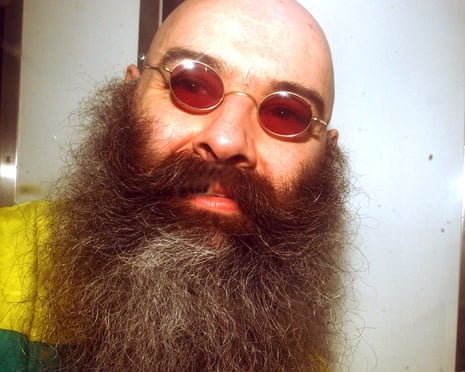
HMP Wakefield, opened in 1890, earned its chilling nickname “Monster Mansion” because of the sheer number of high-profile, high-risk offenders it has housed. The prison has held the likes of:
– Harold Shipman, the GP serial killer believed to have murdered over 200 patients, who took his own life in his cell at Wakefield in 2004.
– Robert Maudsley, the “Hannibal” cannibal killer who murdered four people, including a fellow inmate, and once occupied the reinforced “Hannibal Cage” where Bronson has reportedly been placed before.
– Ian Huntley, the Soham murderer.
– Reynhard Sinaga, Britain’s most prolific rapist.
– Ian Watkins, the former Lostprophets singer convicted of horrific child sex offences (who was later killed in another facility).
– Jeremy Bamber, convicted of the White House Farm massacre.
– Levi Bellfield and other notorious names.
The prison is designed for the most dangerous Category A prisoners, many of whom are sex offenders or murderers considered too high-risk for mainstream wings. Violence, including attacks on vulnerable inmates, has been a recurring issue. Placing Bronson — who insists he is neither a paedophile nor a murderer in the conventional sense — among such a population has raised immediate concerns from his ex-wife Irene Dunroe and campaigners.
Dunroe, who remains in regular contact with Bronson (referring to him by his birth name Mick Peterson), described the move as “appalling.” She revealed he has been placed in a “cell within a cell” in an underground section, effectively deep isolation. His art materials — pens and paints that have become central to his rehabilitation and mental health — were reportedly confiscated upon arrival, a decision that has alarmed prison staff who fear it could trigger a violent reaction.
The Specific and Significant Reason Behind the Transfer
The transfer’s timing is what makes it particularly explosive. Bronson was reportedly promised a “progressive move” — one that would allow greater association with others and demonstrate his readiness for eventual release or downgrading from Category A status. Instead, he was woken early, bundled into a van, and sent north without clear explanation, returning to the same restrictive “cage” environment he left nearly a decade ago.
Sources inside Wakefield told media outlets that officers are “deeply worried” about the placement. “Nobody can work out why he’s actually been moved,” one insider said. “It’s almost like it’s a deliberate attempt to get him riled up as he tries to persuade prison authorities to free him.” Bronson himself has reportedly described the move as punishment, telling supporters via phone calls that he feels “done up like a kipper” and questioning how this could be considered progress.
His legal team and campaigners believe the real reason is strategic: to destabilise Bronson ahead of his parole review. After sacking previous lawyers and pushing for greater transparency in earlier hearings, Bronson is navigating what could be his ninth parole attempt. The Parole Board has been conducting reviews, including paper-based assessments, examining whether he poses a manageable risk to the public.
Critics of the system argue this transfer undermines any genuine rehabilitation efforts. By removing his creative outlet and returning him to extreme isolation in one of Britain’s harshest environments, authorities may be testing — or even provoking — his behaviour to justify continued detention. Bronson’s solicitor has expressed disgust at the handling of the case, while supporters plan protests, including one scheduled outside Wakefield.
### Broader Questions About Prison Policy and Parole
The controversy highlights deeper issues in Britain’s approach to long-term, high-profile prisoners. Bronson has spent over half a century incarcerated, far exceeding his original sentence, largely due to offences committed while already behind bars. Supporters claim this creates a vicious cycle: restrictive conditions fuel frustration, which leads to incidents that extend detention.
Prison reform advocates point out that at 73, Bronson’s physical capacity for violence has diminished. Psychologists instructed by his team in previous reviews have argued he no longer requires the most extreme secure conditions. Yet the system appears reluctant to take what many see as calculated risks.
Home Office and prison service spokespeople have declined detailed comment on individual transfers for security reasons, stating only that placements are made based on risk assessments and operational needs. However, the lack of transparency has only intensified speculation that the move is designed to sabotage parole prospects.
What Happens Next?
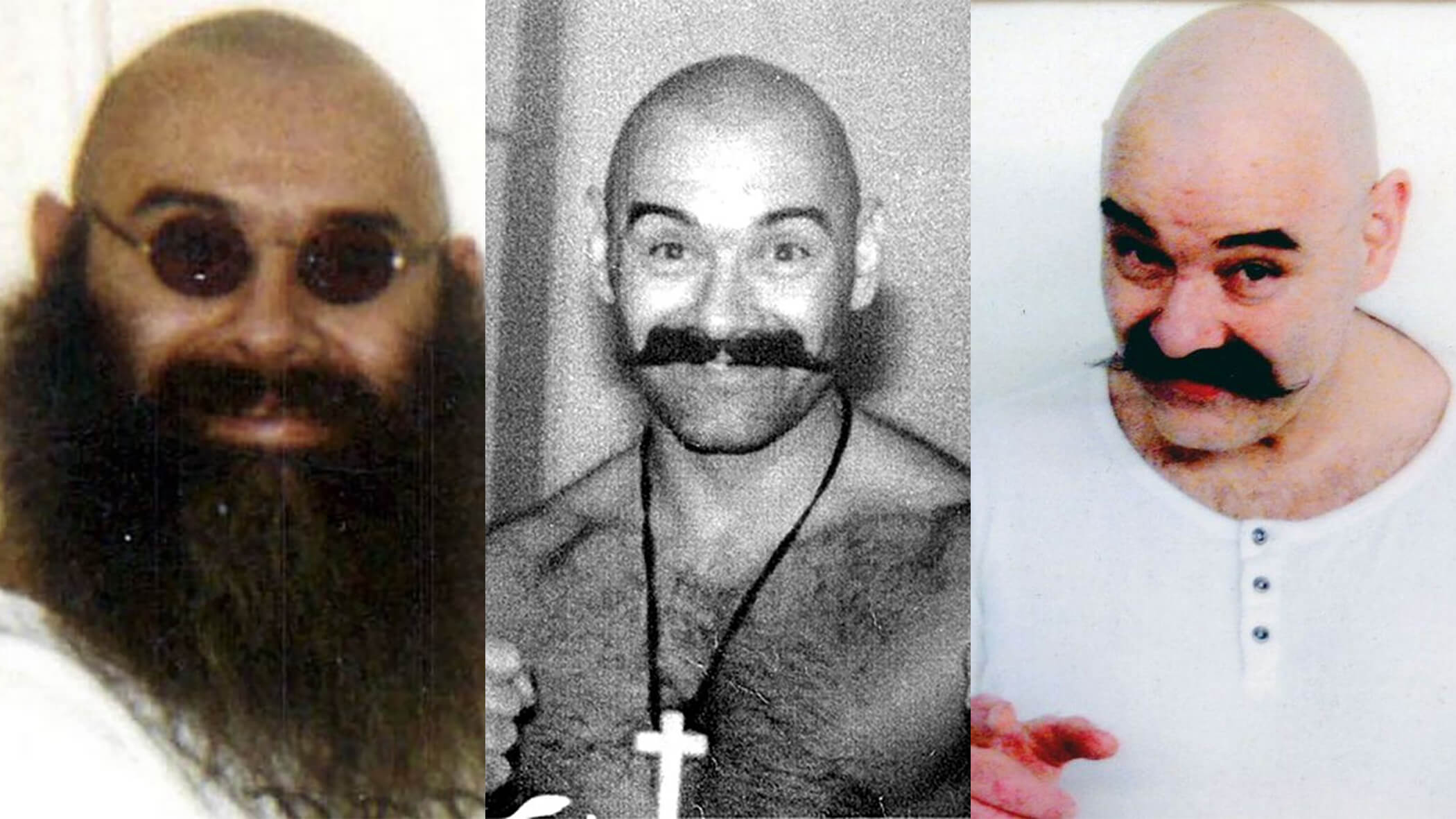
As Bronson settles — or rather, endures — life in the Monster Mansion, attention turns to the Parole Board’s decision. If granted progression, he could eventually move to an open prison or even face release under strict licence conditions. If denied, he may remain in high-security isolation indefinitely.
His ex-wife and campaigners continue to fight publicly, emphasising his artistic achievements and periods of good behaviour. Bronson himself has used poetry and letters to express his frustration from inside the walls.
The transfer to Wakefield may have been intended to keep Britain’s most notorious prisoner contained and quiet. Instead, it has thrust his case back into the spotlight, raising uncomfortable questions about fairness, rehabilitation, and whether the prison system is truly equipped to handle aging inmates who have spent a lifetime in its most extreme conditions.
For now, Charles Bronson remains locked away in the Monster Mansion, surrounded by some of the country’s most infamous criminals. Whether this move proves to be a final cruel twist or merely another chapter in his extraordinary saga remains to be seen. The coming months, as parole deliberations continue, could finally determine if Britain’s longest-serving troublemaker will ever taste freedom again.