In the shadow of a fragile April 2026 ceasefire, Iranian state media and officials have loudly proclaimed victory in the 2026 Iran war. “We have triumphed on the battlefield and forced the aggressors to negotiate,” declared representatives of the Islamic Republic, framing survival against U.S.-Israeli strikes as strategic success. Yet behind the rhetoric, U.S. military planning and ongoing operations suggest a quieter, more devastating phase may be unfolding—one designed to exploit Iran’s weaknesses and target the regime’s core resilience.
The conflict erupted on February 28 with Operation Epic Fury: hundreds of U.S. and Israeli strikes that decapitated much of Iran’s leadership, including Supreme Leader Ali Khamenei, and crippled missile production, naval assets, and nuclear-related sites. Iran retaliated with drones, missiles, and a closure of the Strait of Hormuz, damaging U.S. bases across the region—including a notable breach by an aging F-5 fighter. A ceasefire in early April paused major combat, but disputes over the strait, sanctions, and Iran’s nuclear program have kept the situation on a knife-edge.
Victory Claims Amid Stalemate
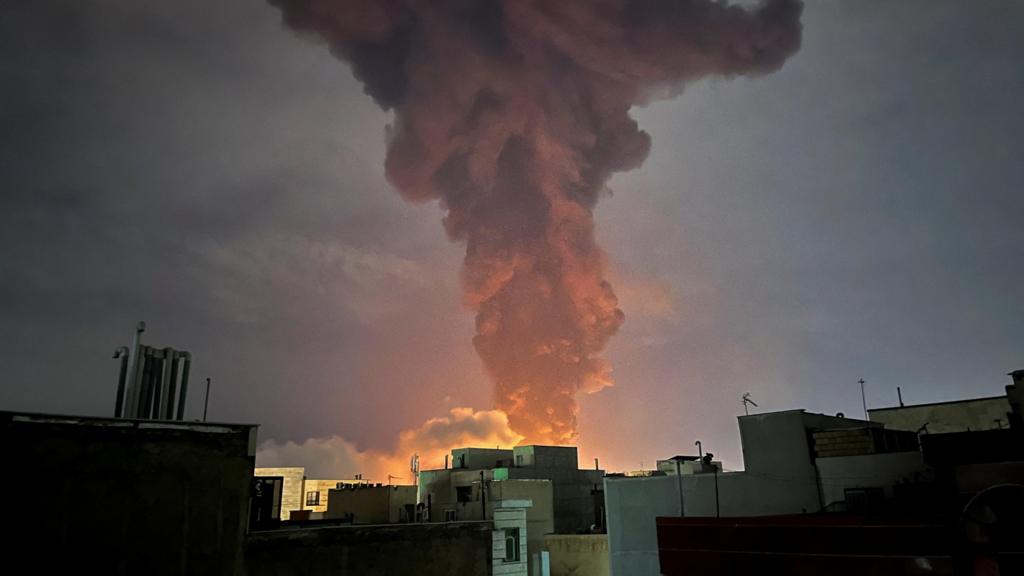
Iran’s narrative emphasizes endurance. Officials point to the regime’s survival, continued proxy influence, and the high costs imposed on the U.S. and its allies through disrupted oil flows and base attacks. Mojtaba Khamenei, the new Supreme Leader, has issued statements vowing to maintain control over key waterways until the U.S. lifts its blockade. State television broadcasts celebrate “resistance” and portray negotiations as evidence of American retreat.
President Donald Trump and U.S. officials counter with their own victory declarations. “We have met and exceeded all military objectives,” Trump has stated repeatedly, citing the degradation of Iran’s missile arsenal, near-elimination of its conventional navy, and leadership losses. Defense Secretary Pete Hegseth described Epic Fury as a “capital-V military victory.” Yet both sides know the war is far from resolved.
As Iran celebrates, U.S. Central Command (CENTCOM) has briefed the White House on contingency “final blow” options. These are not immediate all-out assaults but targeted operations leveraging America’s remaining advantages in precision strikes, naval power, and intelligence. The goal: dismantle the regime’s ability to reconstitute threats without necessarily requiring a full ground invasion.
Precision Pressure: Blockades, Dynamic Strikes, and Hidden Vulnerabilities
The U.S. naval blockade of Iranian ports, implemented in mid-April, represents a key lever. It prevents vessels from entering or exiting Iranian facilities, choking off oil revenue while Iran maintains its own disruptions in the Strait of Hormuz. This “dual blockade” has spiked global energy prices and strained Iran’s economy further. U.S. Navy assets have already intercepted defiant ships, signaling enforcement resolve.
CENTCOM plans focus on the strait: dynamic targeting of fast-attack boats, mine-layers, and coastal missiles that enable Iran’s asymmetric tactics. Hypersonic-capable B-1B bombers and carrier strike groups provide standoff options for rapid, overwhelming response. These operations aim to reopen shipping lanes on U.S. terms while degrading remaining Iranian capabilities.
A crucial hidden detail lies in the regime’s internal fractures and exposed infrastructure. Strikes during Epic Fury not only killed top leaders but damaged command networks, industrial bases, and energy facilities. Reports indicate Iran’s air defenses and missile production remain severely limited, making reconstitution difficult under sustained pressure. U.S. planners are reportedly eyeing “obstructionists” within the IRGC and other elements undermining talks, alongside options for special forces actions on sensitive sites like uranium stockpiles.
The F-5 incident early in the war—where an outdated Iranian jet exploited saturation attacks to hit Camp Buehring in Kuwait—highlighted U.S. vulnerabilities to low-tech swarms. However, it also underscored Iran’s reliance on such tactics due to conventional weaknesses. Post-ceasefire assessments show U.S. bases suffered more damage than initially disclosed (across at least 16 sites), but America’s ability to surge forces, resupply via airlifts, and maintain air superiority gives it enduring leverage. Iran, by contrast, faces depleted stockpiles and economic isolation.
Shockwaves Through Tehran: Regime Stability Tested

What happens next could send shockwaves through Tehran. Renewed precision strikes on leadership targets, infrastructure, or strait defenses would compound existing damage. Iran’s economy, already battered by sanctions and war, risks collapse under prolonged blockade. Internal protests, simmering before the conflict, could reignite if the regime appears impotent.
U.S. strategy appears calibrated for “regime change” by attrition rather than direct overthrow. By killing senior figures and destroying reconstitution capacity, Washington hopes to fracture the theocratic structure. Mojtaba Khamenei’s leadership remains untested publicly, and rivalries within the IRGC or clerical establishment could surface under pressure. Trump has signaled openness to deals but insists on red lines: nuclear rollback, strait reopening, and reduced regional aggression.
Yet risks abound. Escalation could draw in proxies, spike oil prices higher, or provoke cyber and terrorist responses. Iran’s claim of victory rests on survival; any perception of further capitulation could undermine hardliners. For the U.S., prolonged operations strain resources and invite domestic scrutiny as the War Powers timeline looms.
The Unseen Pivot

The “hidden detail” altering the conflict’s course may be the asymmetry in endurance. Iran shouts victory because it withstood the initial onslaught and imposed costs. But U.S. operations—blockades, intelligence-driven strikes, and sustained presence—target the foundations: revenue, command cohesion, and military regeneration. Everything Iran “knows”—its deterrence doctrine, economic lifelines, and narrative of resistance—faces systematic dismantling.
As of May 2, 2026, talks continue amid heightened U.S. deployments and Iranian defiance. Flight tracking shows airlifts and naval movements, while both sides maneuver for advantage. Iran celebrates resilience; the U.S. prepares measured escalation.
This phase transcends traditional battlefield wins. It is a test of wills, economies, and political cohesion. If U.S. pressure succeeds without full resumption of major combat, it could achieve strategic objectives on the cheap. If Iran holds, the “victory” claims may prove prophetic—for a battered but unbroken regime.
The coming days will reveal whether Iran’s celebrations were premature or whether the explosions—literal and figurative—have only just begun. Global markets, regional allies, and millions in Tehran wait anxiously for the outcome.